January 11, 2025
at
12:00 am
EST
MIN READ
AICC Presale Gives $150K of Tokens to "InsiderJudas"
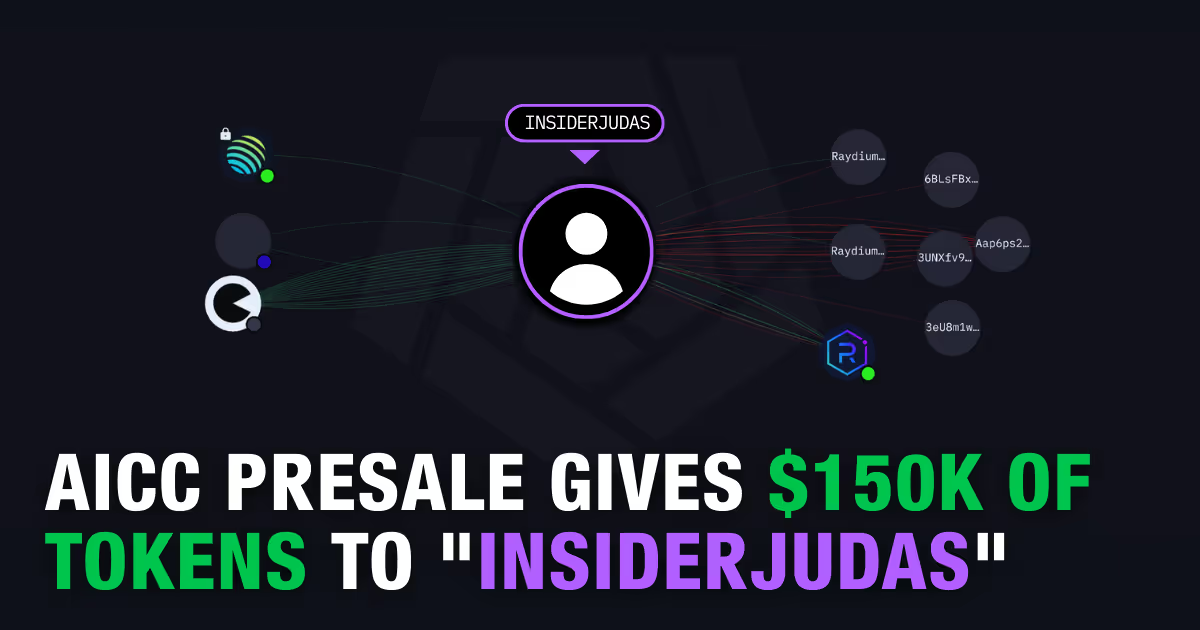
One of the recipients from the presale of the AICC token, named “insiderJudas”, has started dumping his allocation of tokens worth $150K, immediately after receiving them. His initial investment was just 0.5 SOL, or just $93.50, placing his current holdings at a return of just over 1,603x (160,300%).
This situation exemplifies the Prisoner's Dilemma in a high-stakes financial context. In standard venture rounds, "vesting schedules" lock tokens for months or years to ensure long-term commitment. By removing these guardrails, the project created a predatory "Player vs. Player" dynamic; every influencer knew their peers sat on massive, unrealized gains that could vanish in seconds, incentivizing them to sell immediately before the liquidity dried up.
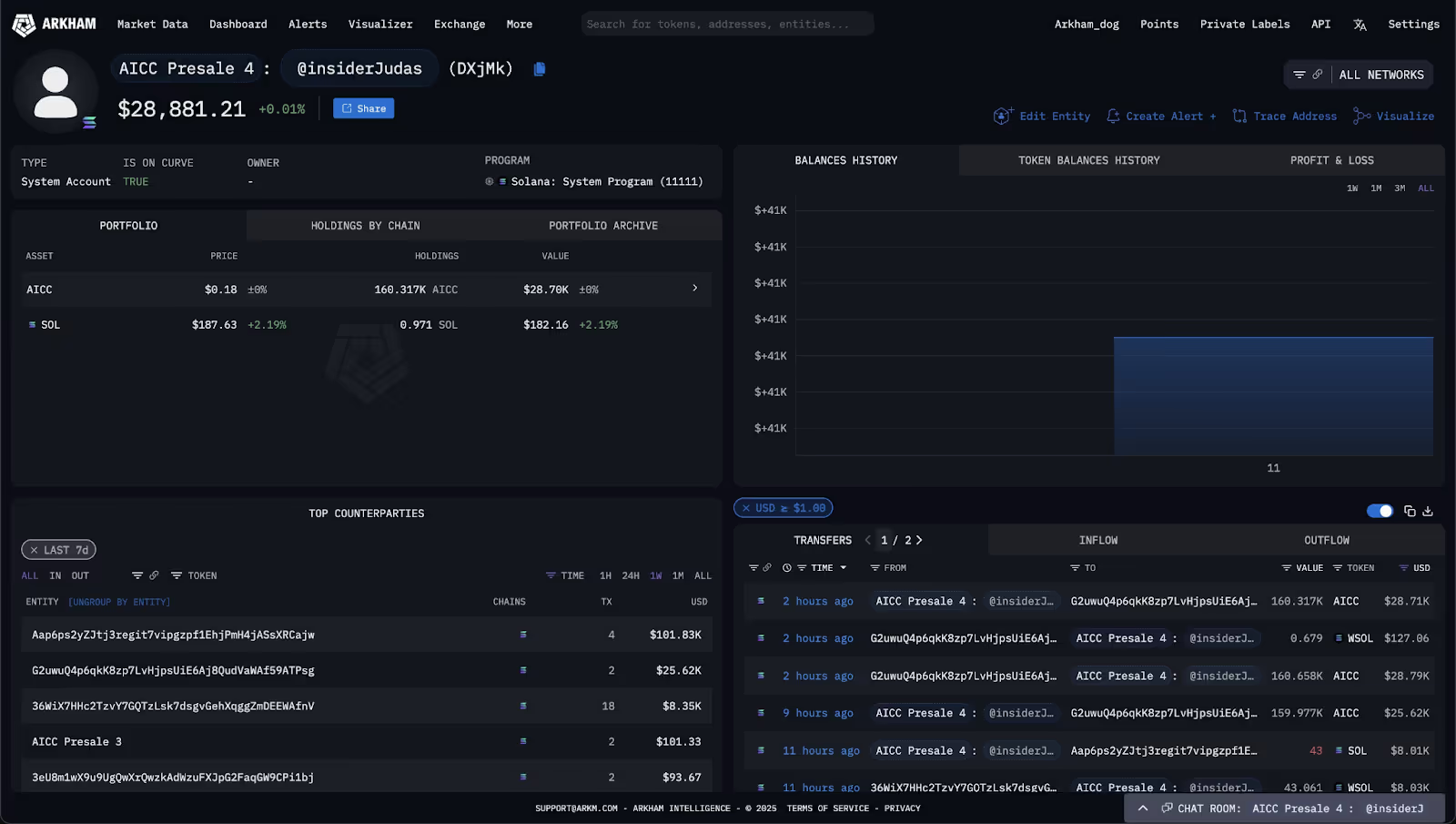
The AICC token is the DAO token of AI-focused investment and development DAO, Aiccelerate, which distributed their tokens earlier today. However, the tokens were distributed to an extremely small selected group of 250 presale investors, which was made up of AI builders, researchers and Crypto Twitter Key Opinion Leaders (KOLs), all of which were distributed with no vesting. As the token valuation shot up to $300M without hours of launching, naturally, some of these token holders began dumping their allocations, which had already risen more than 2,000x by then.
The heavy concentration of holders sparked outrage among the community, while several of the recipients with a public image on Crypto Twitter were left with their hands tied. Dump the tokens and be labelled a crook by the community, or simply watch other participants sell first?

Ultimately, this controversy highlights the inherent risks of "KOL rounds" for the broader market. When insiders enter at valuations 2,000 times lower than the public listing price, regular traders purchasing at launch effectively serve as "exit liquidity." This market structure facilitates a rapid wealth transfer from the community to a few connected individuals, as the public absorbs the selling pressure from these massive, unlocked allocations.

.png)



.png)





.jpeg)

.jpg)
.jpeg)



.png)

.jpg)


.png)
.png)

.png)
.png)
.png)
.png)
.png)
.png)


.png)
.png)
.png)
.png)