March 7, 2025
at
12:00 am
EST
MIN READ
Ancient Darkweb Marketplace Wakes Up After 9 Years
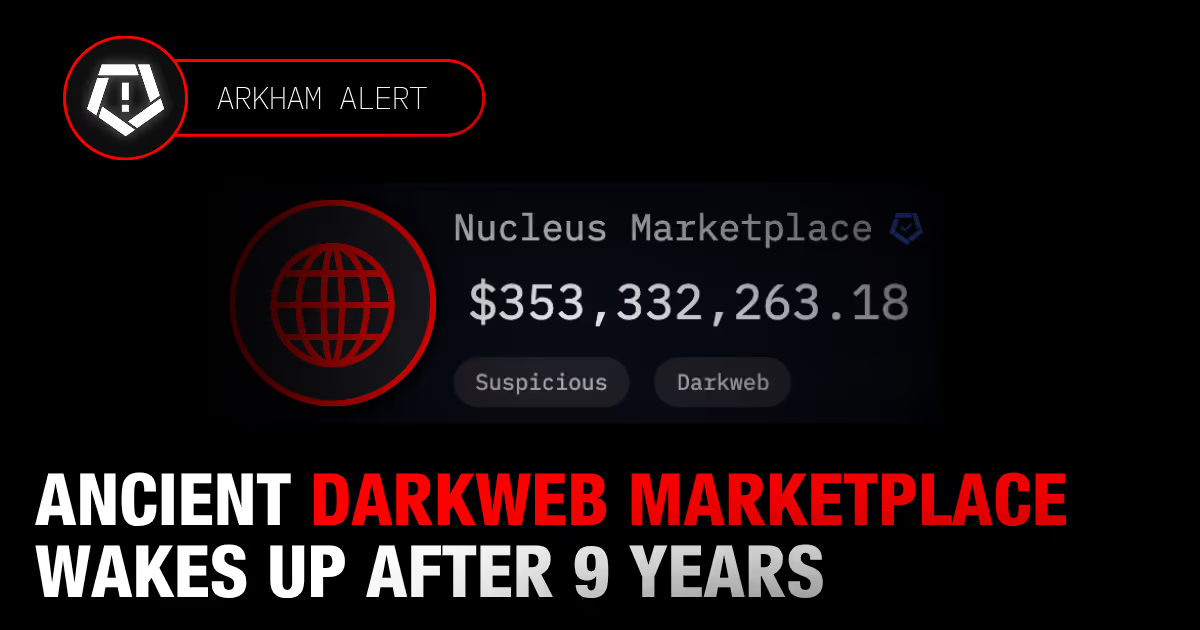
Addresses belonging to defunct dark web marketplace, Nucleus, have reawoken after nine years of inactivity. The address has since transferred $77.5M in BTC to three fresh addresses: bc1qsh, bc1qm0 and bc1qm8. The main addresses tagged to the marketplace still hold 4,075 BTC, which is now worth over $361M.
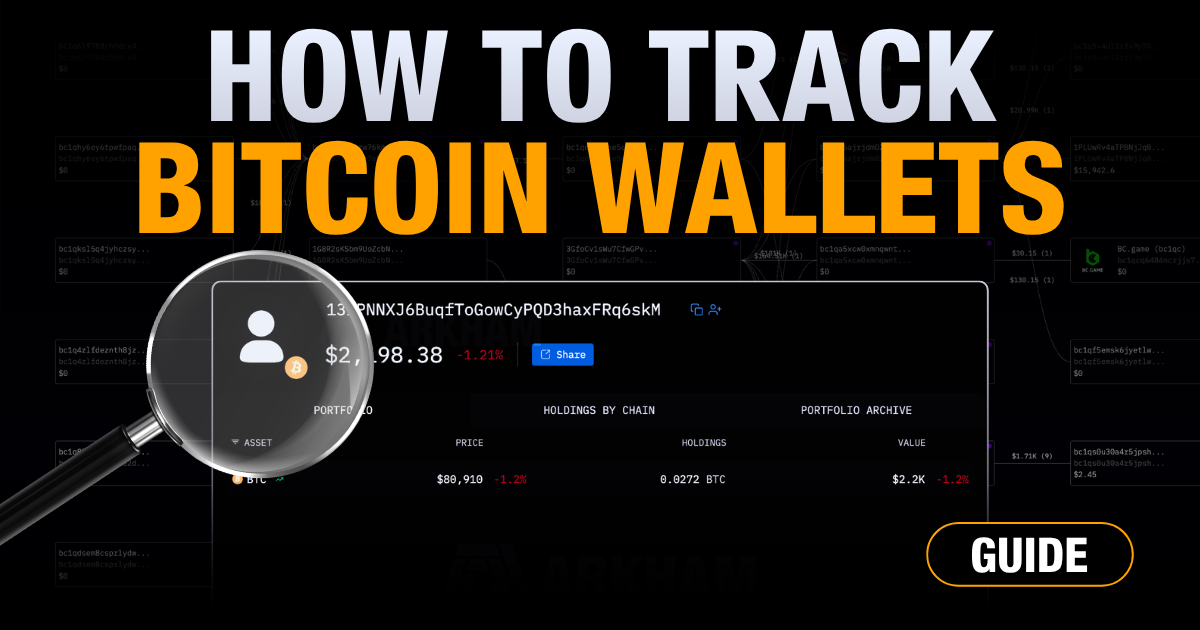
The reactivation of such high-profile "tainted" funds presents a unique challenge for the entity controlling them. In the nine years since Nucleus went dark, blockchain forensics have evolved from rudimentary tracking to sophisticated, automated surveillance. Platforms like Arkham now instantly flag these wallet clusters, meaning any attempt to deposit these funds into a compliant centralized exchange would likely trigger immediate account freezing and reporting to law enforcement.

The Nucleus marketplace was a mainly drug-focused marketplace, with its main products including cocaine, methamphetamine and cannabis. In 2016, the site and its administrators suddenly became unresponsive, with many suspecting either a law enforcement takeover of the site and legal action taken against the team or an exit scam, which was popular with dark web marketplaces of that period.
Nucleus rose to prominence during a chaotic period in the dark web ecosystem, filling the void left by the takedowns of the original Silk Road and its successor, Silk Road 2.0. Its sudden disappearance in April 2016, taking roughly 5,000 BTC in escrowed user funds with it, cemented the "exit scam" model as a primary risk for darknet users. If these funds are indeed from an exit scam rather than a law enforcement seizure, their movement suggests the perpetrators may finally be attempting to launder their spoils after nearly a decade of "laying low" to let the heat die down.


.png)







.png)










.jpeg)




.jpg)

.jpeg)












.png)

.jpg)


.png)

.png)


.png)

.png)
.png)
.png)


.png)
.png)







.png)
.png)
.png)

.png)