September 2, 2026
at
9:40 am
EST
MIN READ
Retail Investors: How To Understand Their Vital Role In Crypto Markets
Retail vs. Institutions vs. Whales
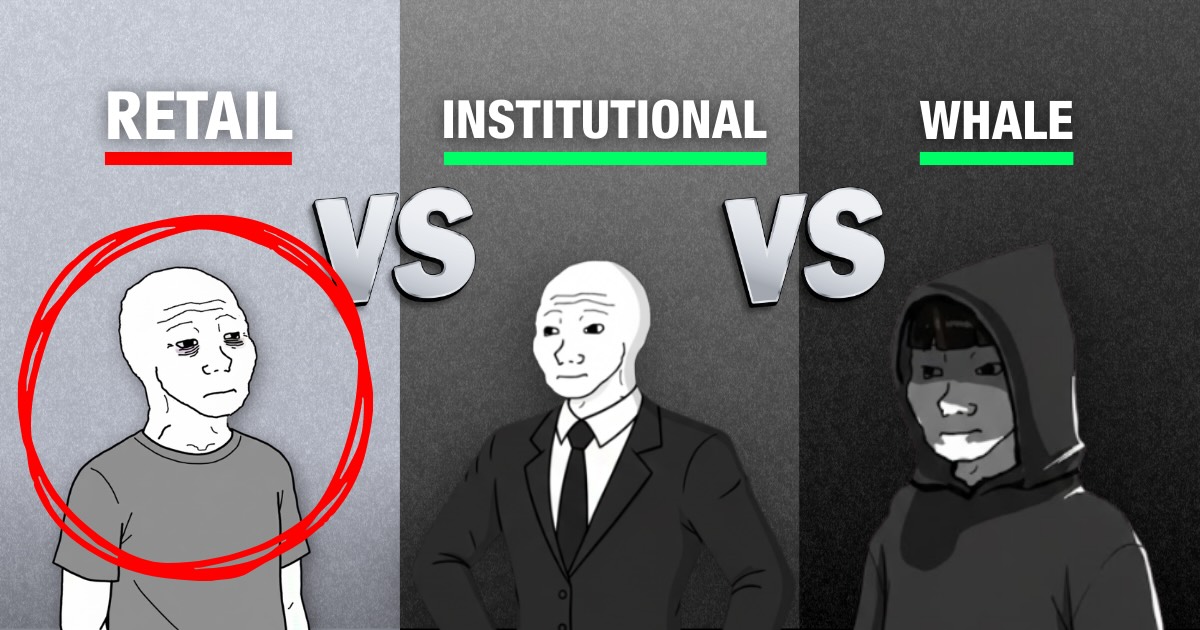
- Retail: Individual market participants trading with personal capital. Typically defined by smaller transaction volumes and a reliance on standard trading platforms and public information. The world of crypto trading has elevated the powers of retail traders.
- Institutions: Banks, hedge funds and other professional organizations. Manage vast pools of client capital and use sophisticated strategies, high-speed execution, and exclusive data to drive broad market trends. Their advantages are less prominent when it comes to crypto.
- Whales: High-net-worth individuals or entities holding large amounts of a specific asset whereby single transactions can trigger price volatility and sway market direction.
Introduction
The investing landscape has undergone an enormous transformation over the past decade. Traditional barriers to entry that once kept individual retail investors on the sidelines have been broken down by a plethora of accessible trading platforms, social media communities, and 24/7 markets. Nowhere has this democratization been more pronounced than in the cryptocurrency markets, where retail investors have emerged as a dominant force capable of moving millions of dollars in capital and shaping the market dynamics with their moves.
Understanding retail investors requires looking beyond simplistic narratives of amateur traders gambling away their life savings. These individuals represent a new class of market participants who are altering how capital flows through both traditional and digital asset markets. Their collective actions have challenged institutional dominance, exposed market inefficiencies, and created new paradigms for price discovery and liquidity provision.
Summary
- Retail investors are non-professional individuals who trade personal capital, distinct from institutions and funds
- Real-time data, zero-fee platforms, and democratized access to information have significantly closed the historical gap between retail and institutional traders
- Individual traders now drive almost 25% of total equity volume, with the greatest influence in small-cap stocks and the high-speed 0DTE options market
- In the digital asset ecosystem, retail participants function as essential liquidity providers, network validators, and governance leaders, with their actions often determining protocol success.
What Are Retail Investors?
Retail investors are simply individual investors that use their own money to invest and trade. Unlike institutional investors such as hedge funds, pension funds, or corporate treasuries, retail investors operate with personal capital and make independent investment decisions based on their own research, risk tolerance, and financial goals.
However, the defining characteristics of retail investors extend beyond their individual status. Retail investors typically trade in smaller position sizes compared to institutions, often lacking access to sophisticated trading data and tools, but also are able to operate without the regulatory reporting requirements that govern institutional players. In recent years however, the gap between institutional investors and retail investors has begun to close, driven by increased democratization of data and technology and lowered trading fees in general.
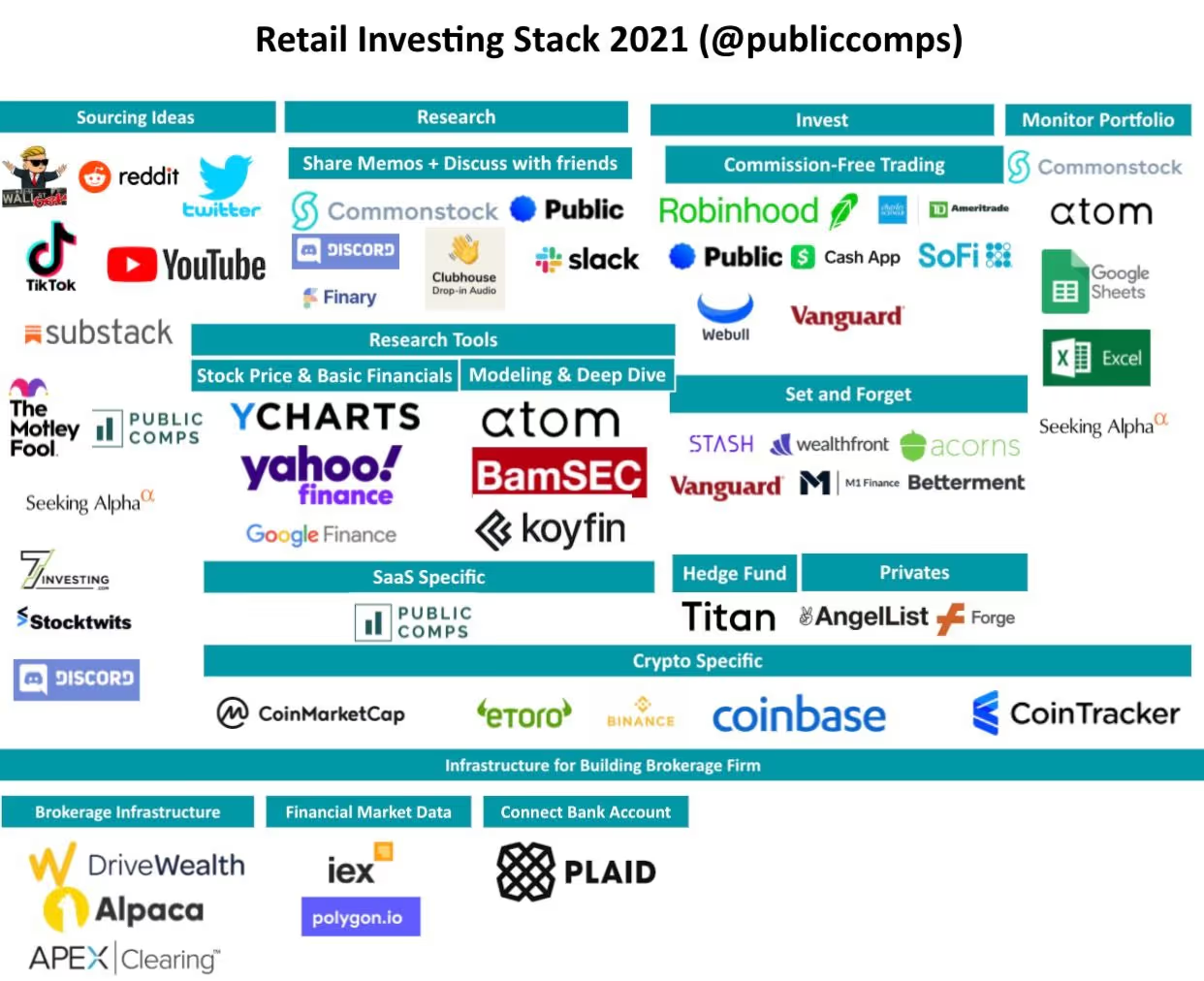
Modern retail investors benefit from tools that were exclusive to professional traders just a generation ago. Real-time market data, advanced charting platforms, algorithmic trading bots, and on-chain analytics have become widely available, often at minimal or no cost. Social media platforms and online communities enable retail investors to share research, coordinate strategies, and disseminate information at speeds that rival traditional financial news services. The advent of AI has further supported this trend, accelerating the research process, and even the development of personal trading tools and strategies.
The retail investor category encompasses a diverse spectrum of participants. Day traders execute multiple positions within single trading sessions, seeking to profit from short-term price movements. Swing traders hold positions for days or weeks, capitalizing on medium-term trends. Long-term investors adopt buy-and-hold strategies, betting on fundamental value appreciation over months or years. Each subset brings different trading patterns, risk appetites, and market impacts to the ecosystem.
How Much of an Effect Do They Have on Markets?
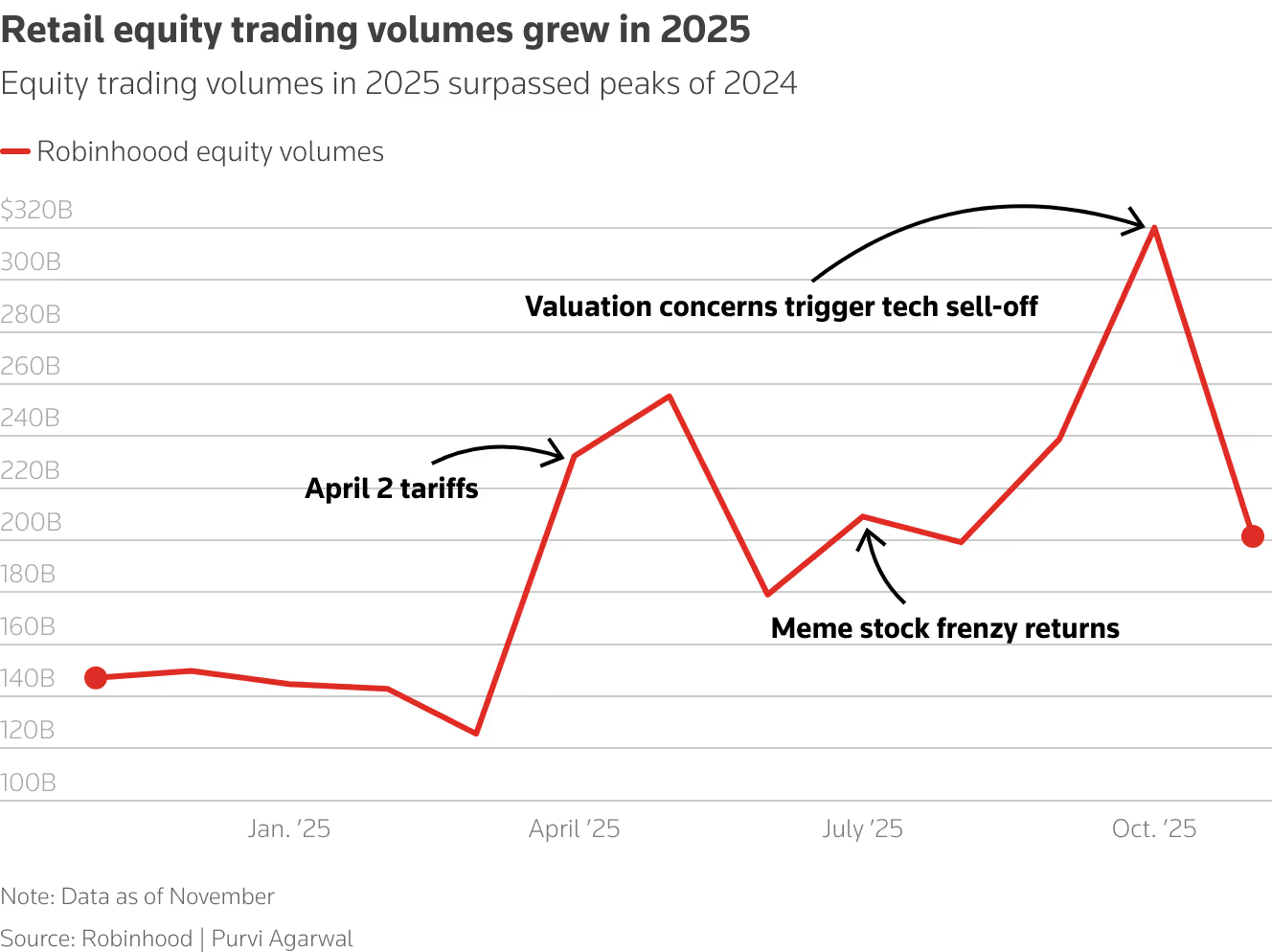
Quantifying retail investor impact presents methodological challenges, but multiple data sources paint a clear picture of their growing influence. In traditional equity markets, retail investors accounted for approximately 25% of total trading volume in 2025, a sharp increase from roughly 10% just six years ago. In fact, during the April 2025 tariff drawdown, retail participation spiked to 35% of all equity volumes. The influence of retail investors is most prevalent in assets with smaller market capitalizations where direct buying pressure from coordinated retail activity can overwhelm the available liquidity in the market.
Options market activity by retail traders can also force market makers to hedge their exposure by purchasing underlying securities, creating additional upward pressure through what's known as a gamma squeeze. This is most prevalent in 0DTE (Zero Days to Expiration) options, where retail participation forms up to 60% of all volumes. Social media amplification allows retail sentiment to spread virally, attracting successive waves of new buyers and creating momentum that feeds on itself.
Retail investors have also demonstrated an ability to maintain positions longer than many institutional traders expect. Unlike hedge funds that may face redemption pressures or margin calls, individual investors operating with personal capital can theoretically hold positions indefinitely if they maintain conviction in their thesis. This staying power has surprised many professional investors who bet against retail-driven rallies, expecting quick reversals that failed to materialize.
GameStop Saga
The GameStop (GME) short squeeze of January 2021 represents perhaps the most dramatic demonstration of retail investor power in modern financial history. Members of the r/WallStreetBets subreddit identified that GameStop stock was heavily shorted by institutional investors, with short interest exceeding 100% of available shares. Recognizing this vulnerability, retail traders coordinated massive buying campaigns that sent the stock price from approximately $40 to an intraday high of $483 within weeks.
The GameStop saga highlights the immense influence of social media platforms, which had become effective coordination avenues that could rival traditional financial institutions in their ability to mobilize capital. Additionally, the diverse nature of retail investors involved in the buying campaigns made it hard to predict and curb. Moreover, the measures taken by several trading platforms such as Robinhood, which restricted purchases of GME shares, continue to spark controversy about market access and fairness for retail investors.
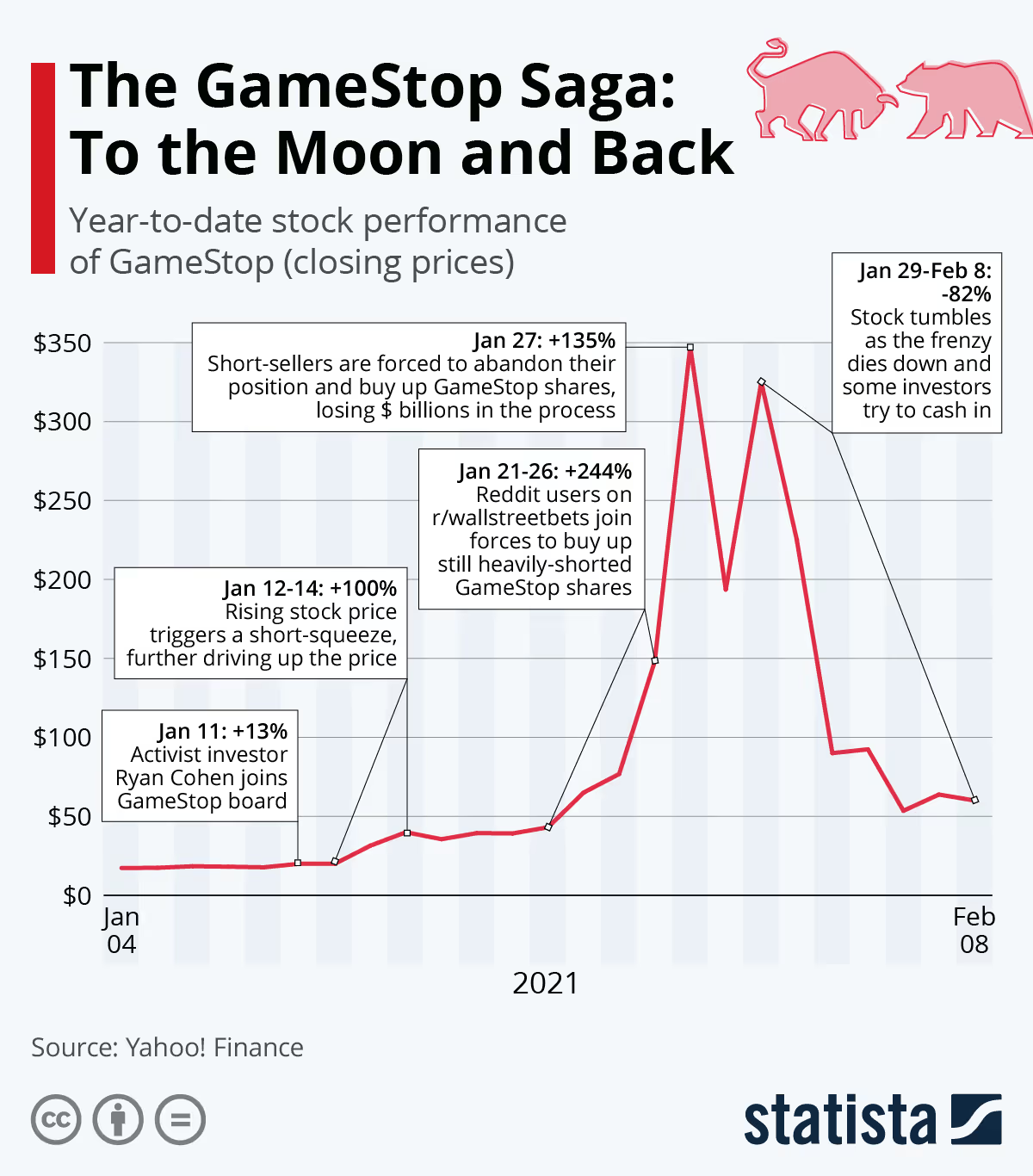
The aftermath of GameStop included Congressional hearings, regulatory scrutiny, and a fundamental reassessment of retail investor capabilities by institutional players. Hedge funds that had shorted GameStop suffered billions in losses, all at the hands of retail investors. The incident demonstrated that retail investors, when coordinated around a compelling narrative and armed with accessible data, could challenge even well-capitalized institutional positions.
Beyond the immediate price action, GameStop illustrated how retail investors could exploit informational advantages in specific situations. While institutions often possess superior resources for fundamental analysis, retail communities can sometimes identify technical market conditions or sentiment mismatches that create exploitable opportunities. The increasingly democratized nature of online research and discussion allowed thousands of individual analysts to collectively process the relevant information and identify the short squeeze potential.
What Role Do They Play in Crypto?
Cryptocurrency markets represent an environment where retail investors have achieved perhaps their greatest influence relative to institutional participants. During crypto's formative years, retail investors were essentially the entire market, with institutional participation minimal or nonexistent. Even as institutions have gradually entered the space, retail investors continue to represent a substantial portion of trading volume, ownership, and ecosystem activity.
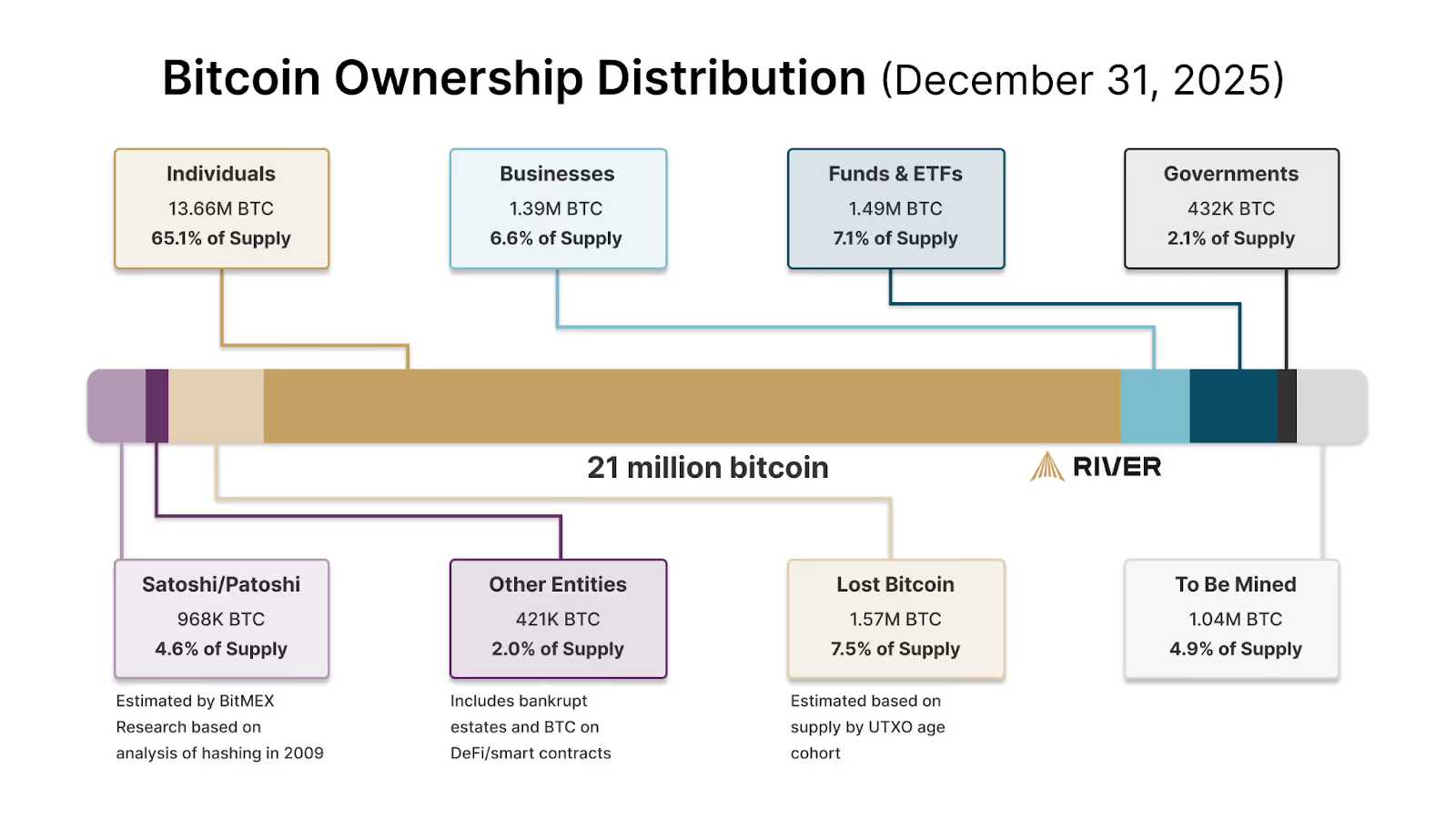
The 24/7 nature of cryptocurrency markets aligns particularly well with retail participation patterns. Unlike traditional markets that operate during business hours, crypto trading never stops, allowing individuals to engage around their personal schedules. Geographic barriers are also broken down in global crypto markets, enabling retail participants from developing economies to access the same opportunities as those in financial centers.
Within crypto ecosystems, the roles of retail investors often go beyond simple buying and selling. They provide liquidity on decentralized exchanges, taking the risk of Impermanent Loss to provide deeper trading pools for other users. They stake tokens to secure proof-of-stake networks, effectively becoming infrastructure providers. They participate in governance votes that determine protocol parameters and development priorities. They test new applications, provide feedback, and create content that drives awareness and adoption. They are often the earliest users to any newly launched decentralized application or network.
The direct ownership model of cryptocurrency particularly empowers retail participants. Unlike traditional finance where securities are held in custody by brokers and clearing houses, crypto enables true self-custody where individuals directly control their assets. This removes counterparty risk and gives retail investors genuine property rights over their holdings, fundamentally changing the relationship between investor and asset.
The social dynamics of crypto communities also amplify retail influence. Telegram groups, Discord servers, and Twitter crypto communities create tribal affiliations around specific projects or trading strategies. These communities can drive coordinated attention toward particular tokens, creating price movements that then attract broader participation.
Are Retail Traders Playing Against the House?
Traditional narratives often portray financial markets as zero-sum games where retail investors serve as exit liquidity for sophisticated institutional players. While this dynamic certainly exists in specific situations, the reality is more complex and varies significantly between traditional and crypto markets.
In traditional markets, retail traders face legitimate structural disadvantages. High-frequency trading firms possess speed advantages measured in microseconds. Institutional investors access better prices through dark pools and block trades. Professional traders benefit from superior risk management systems and deeper analytical resources. Market makers profit from bid-ask spreads, effectively taxing every retail transaction. These factors contribute to research showing that active retail traders in traditional markets often underperform passive index strategies after accounting for costs and taxes.
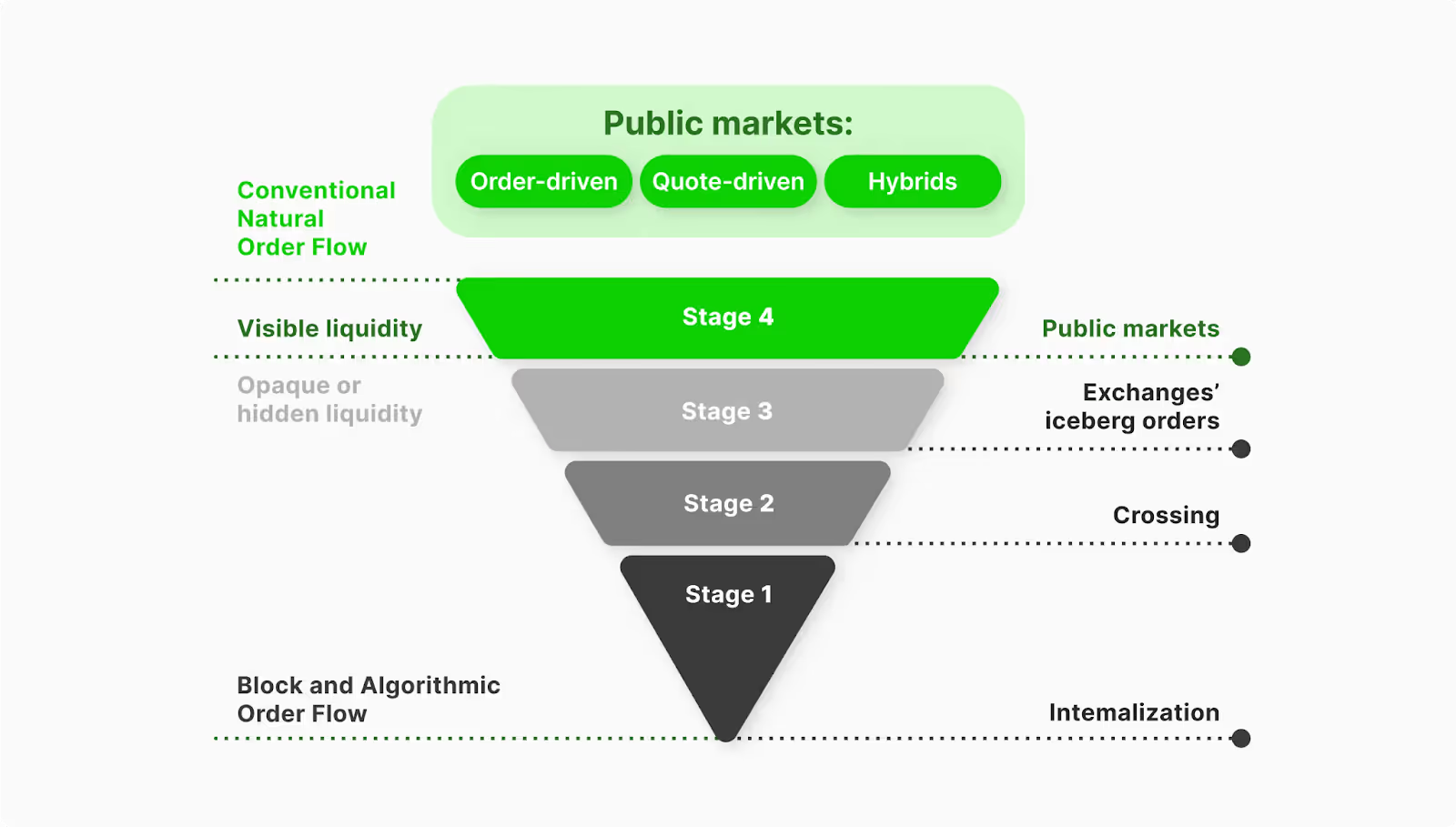
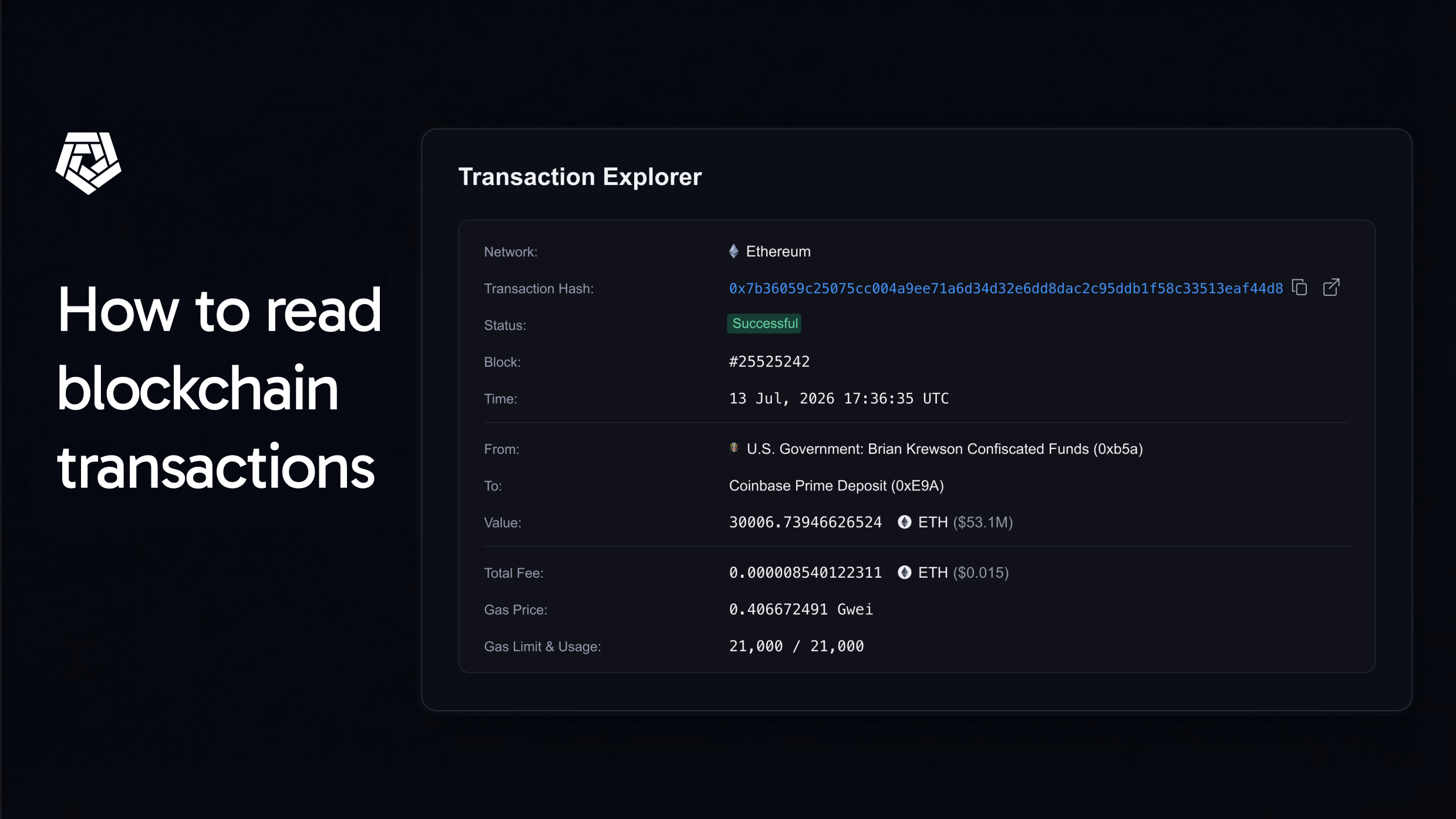
However, crypto markets present a different structural environment. The transparency of blockchain technology means that many previously hidden advantages disappear. On-chain data is available to everyone simultaneously, regardless of capital size. Decentralized exchanges execute trades through smart contracts that treat all participants identically. Gas fees and slippage impact large trades more severely than small ones, actually advantaging retail-sized positions in certain circumstances.
Institutional investors entering crypto markets have struggled with challenges less familiar to retail participants. Custody solutions, regulatory compliance, and operational risk management create friction that retail investors largely avoid. The unique cultural knowledge required to navigate crypto communities and identify legitimate projects versus scams represents a form of social capital that retail natives possess and institutions must acquire. Moreover, the 24/7 market structure that benefits retail traders creates operational challenges for institutions built around traditional market hours.
Despite their differences, the traditional zero-sum narrative misses how retail and institutional participants can serve complementary functions. Retail buying often provides exit liquidity for early institutional investors, but it also supplies the demand that enables price discovery and market growth. Institutional capital can stabilize volatility and provide deeper liquidity pools that benefit all traders. The healthiest markets feature robust participation across the investor spectrum rather than dominance by any single category.
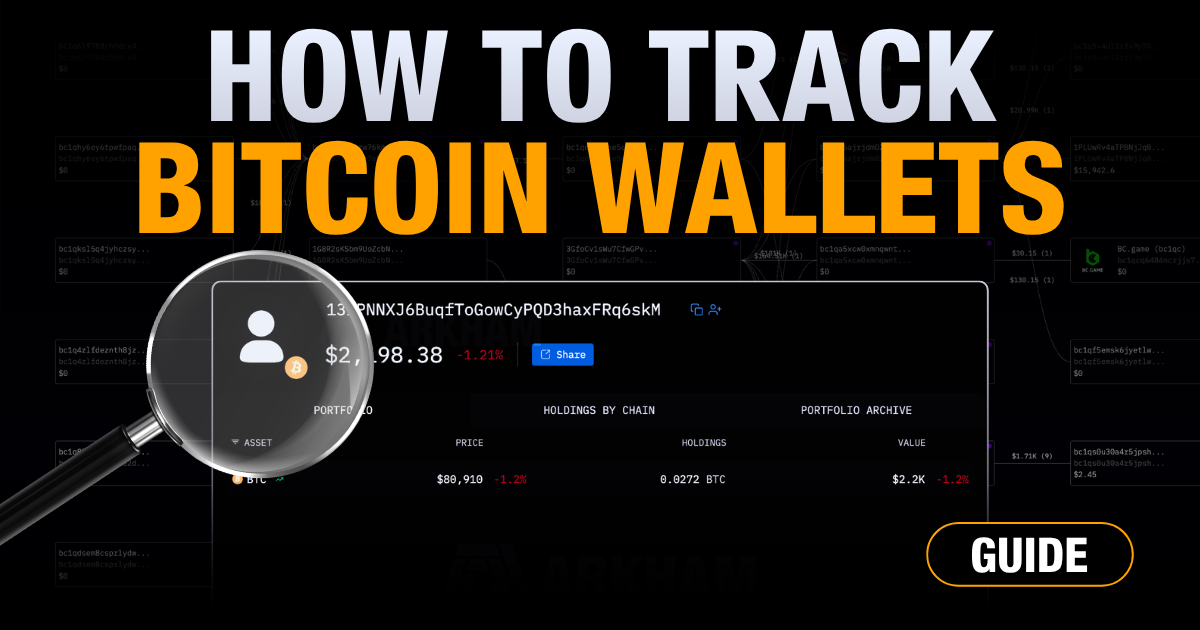
Importantly, the maturing of the crypto market has seen the emergence of retail-focused infrastructure that aims to level the playing field further. On-chain analytics platforms like Arkham Intelligence provide retail users with tools to track institutional wallets, monitor large transactions, and analyze market flows that were previously opaque. Decentralized finance protocols enable retail participants to access sophisticated financial instruments like options, perpetuals, and structured products without institutional gatekeepers.
Conclusion
Retail investors have evolved from a marginal force in financial markets to a central component of price discovery, liquidity provision, and market structure. This transformation reflects both technological empowerment and the unique characteristics of digital asset markets that minimize traditional institutional advantages.
In cryptocurrency specifically, retail participants are more than just traders or investors. They function as users, validators, governors, and evangelists whose collective actions determine which protocols succeed and how networks develop. The permissionless nature of crypto participation means that retail investors will likely maintain their outsized influence even as institutional adoption continues to grow.
The narrative that retail traders are simply gamblers destined to lose against professional institutions misses the structural ways that crypto markets reward different skills and advantages. While retail investors certainly face risks and many individuals will experience losses, the category as a whole represents a durable and increasingly sophisticated market participant. Their vital role in crypto markets will continue to shape how these nascent asset classes develop and integrate into the broader financial system.

.png)







.png)










.jpeg)





.jpg)


.jpeg)












.png)

.jpg)






.png)
.png)




.png)


.png)
.png)
.png)


.png)
.png)








.png)
.png)
.png)

.png)