January 30, 2026
at
6:50 am
EST
MIN READ
A Guide to The Federal Reserve and The Role of the Fed Chair
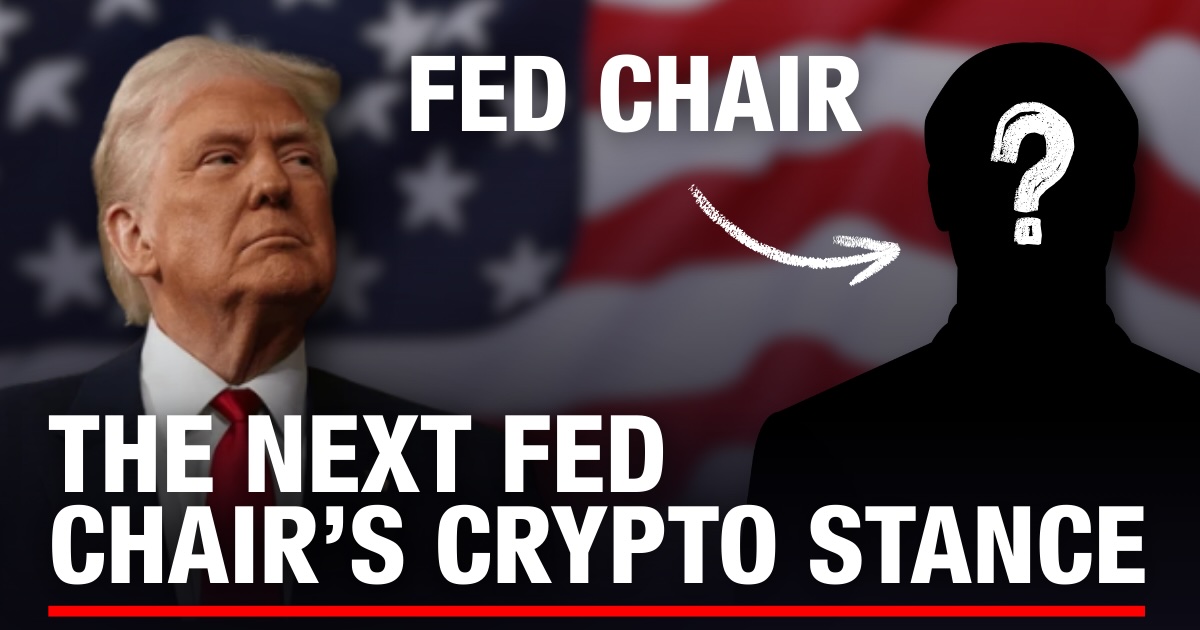
The leadership of the Federal Reserve stands as one of the most consequential appointments in the global financial system. Although the Fed's primary mandate focuses on domestic price stability and maximum employment, its influence extends far beyond traditional banking and labor markets. In recent years, a new asset class has become increasingly sensitive to the central bank's every move: cryptocurrency.
As the term of current Fed Chair Jerome Powell nears its end, the focus has shifted toward who President Donald Trump will select as the successor. For the crypto industry, which is especially sensitive to market liquidity, the Fed Chair’s decisions through their tenure can dictate the macro climate for years to come, influencing the performance of the overall market. Moreover, with the increasing focus on institutional adoption of crypto, the Fed Chair’s stance could also redefine the regulatory environment surrounding stablecoins and their adoption by financial institutions.
Summary
- The Fed Chair controls global liquidity through interest rate policy, which serves as the primary driver for cryptocurrency valuations and investor risk appetite
- The shift from Jerome Powell’s independent, data-driven leadership to a Trump appointee may signal a move toward lower interest rates and prioritized economic growth
- Frontrunners include Rick Rieder, Kevin Hassett, Kevin Warsh, and Christopher Waller, each with their distinct economic philosophy
- The next Fed Chair’s stance on stablecoins and CBDCs will determine the speed of institutional crypto adoption and the clarity of the US regulatory framework
What is the Federal Reserve?
The Federal Reserve, often referred to as "the Fed," is the central bank of the United States of America. Established in 1913, its primary job is to keep the country’s economy stable through the management of money supply and oversight of the banking system. In layman’s terms, this generally covers keeping inflation low and predictable, while maximizing employment in the workforce. Unlike a standard government agency, the Fed is designed to be independent of short-term political pressure, though its leadership is appointed by the Executive Branch of the US Government.
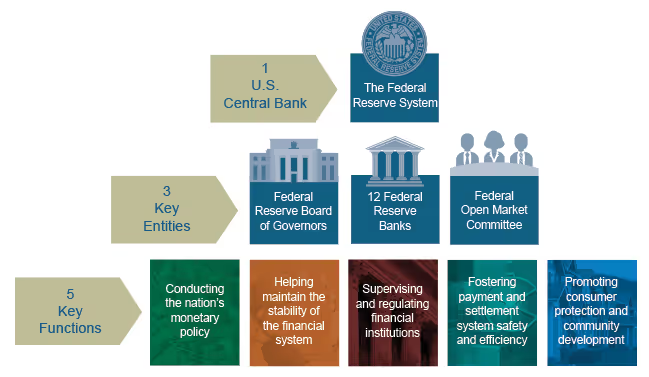
The Fed operates through three key entities: the Board of Governors, the 12 regional Federal Reserve Banks, and the Federal Open Market Committee (FOMC). Its primary tools involve setting interest rates via the federal funds rate and managing the money supply through the purchase and sale of government securities. By making it cheaper or more expensive to borrow money, the Fed can effectively speed up or slow down the entire economy, depending on the needs of the economy at the moment.
What is the FOMC?
The Federal Open Market Committee (FOMC) is the branch of the Federal Reserve Board that determines the direction of monetary policy. In practical terms, it decides how tight or loose financial conditions should be, influencing interest rates, asset prices, credit availability, and ultimately shapes economic growth and inflation. The FOMC consists of 12 members: the seven members of the Board of Governors, the president of the Federal Reserve Bank of New York, and four of the remaining 11 Reserve Bank presidents on a rotating basis.
In a normal year, the FOMC meets eight times a year to review economic and financial conditions. However, they may hold emergency meetings where necessary. This often occurred during financial crises, most notably during the 2020 Covid-19 pandemic, the 2008 Great Financial Crisis, and 2001’s Dotcom Bubble crash and fallout following the 9/11 attacks.
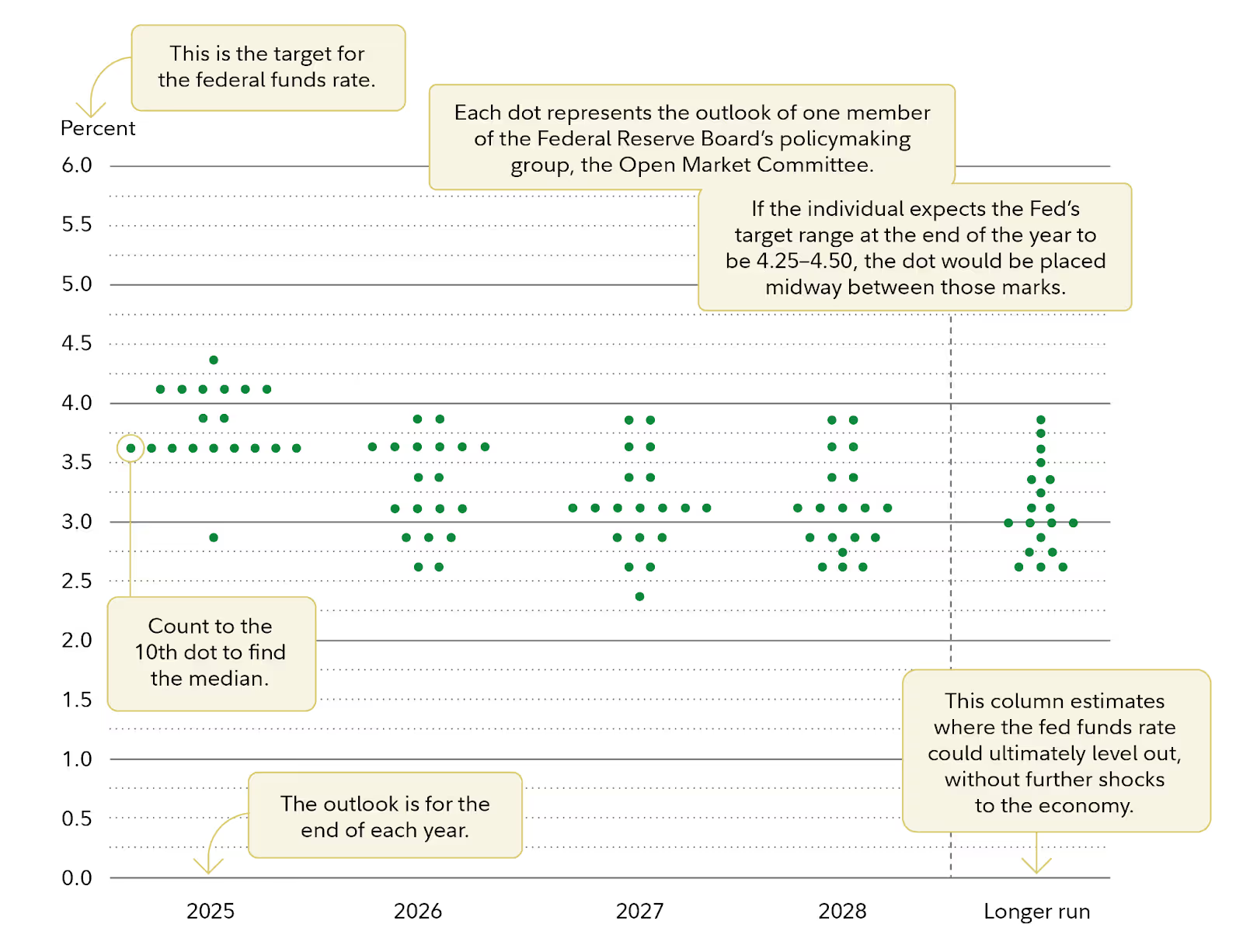
The FOMC’s most scrutinized output is the “Dot Plot”, which is found in the Fed’s Summary of Economic Projections. It is a scatter plot chart which shows, anonymously, where each member of the FOMC expects interest rates to be for the upcoming years and for the “longer run”. Beyond just showing the Fed’s plan for monetary policy in the near future, it is also a signal of how certain the Fed is about the state of the economy as well as a tool to manage the market’s expectations without directly changing interest rates.
For crypto traders, FOMC meeting weeks are typically periods of volatility, due to the asset’s correlation to liquidity in the markets. As such, coupled with the crypto’s high use of leverage, the committee’s decision to either tighten or ease monetary policy can result in multi-billion dollar swings in the market.
Responsibilities of a Fed Chair
As the public face and leader of the nation’s central bank, the Chair of the Federal Reserve serves as the primary architect of US monetary policy. While the Fed Chair holds only one vote on the Board of Governors, the position carries immense weight. Since the Fed Chair sets the agenda for the FOMC, they are able to guide the committee toward consensus on interest rates, effectively managing the narrative which will in turn drive global market expectations. This is further bolstered by public appearances by the Fed Chair, which can shape the markets during times of uncertainty.
The Fed Chair also directs the Fed’s oversight and regulation within the country’s financial system, which includes monitoring the health of the banking system and managing the liquidity facilities that stabilize markets during financial distress. This covers the use of the Fed’s balance sheet through quantitative easing and tightening as well as emergency lending facilities.
Beyond directing the direction of the federal funds rate, the role also involves acting as a critical bridge between the central bank and the federal government through semi-annual testimonies to Congress and regular consultations with the Treasury Secretary.
Previous Fed Chairs
The direction of the Fed’s policy has been defined by the distinctive approaches of its chairs to the central bank's dual mandate.
In the 80s, Paul Volcker established a precedent for institutional independence by aggressively raising interest rates to combat the Great Inflation of the 1970s. This led to a significant recession but succeeded in breaking inflationary expectations and arguably restoring some long-term credibility to the dollar.
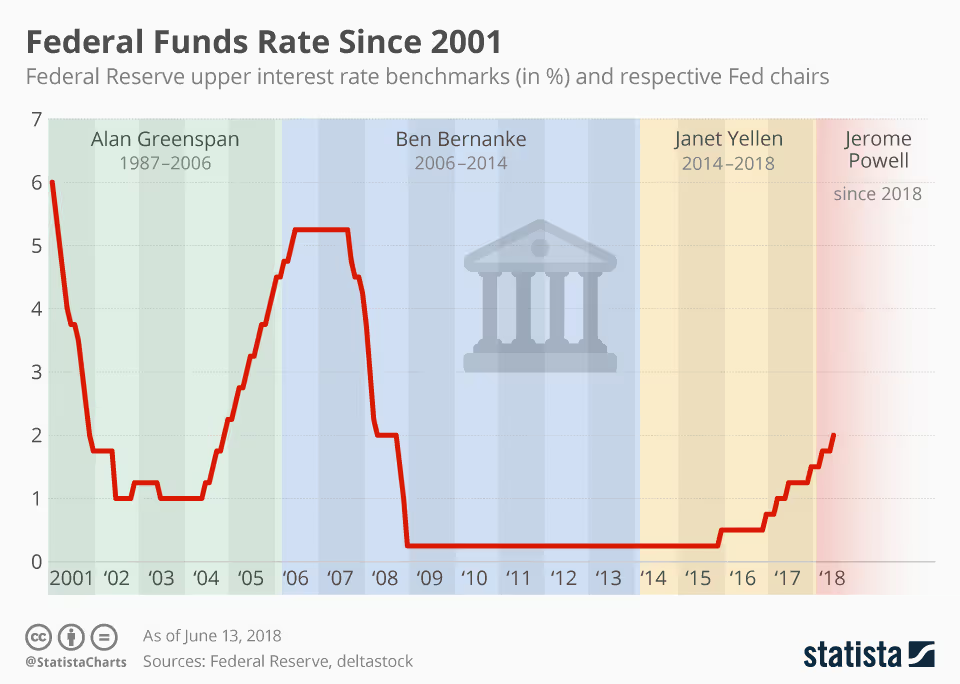
Taking over from Volcker, Alan Greenspan followed the "Great Moderation", utilizing incremental rate adjustments to navigate the 1987 stock market crash and the subsequent Dotcom bubble. However, his era also faced retrospective scrutiny regarding the deregulation of financial markets. The 2008 financial crisis necessitated a shift towards a then-unconventional policy under Ben Bernanke who served until 2014. Bernanke introduced quantitative easing and forward guidance, tools designed to provide liquidity when interest rates were close to zero.
Janet Yellen later oversaw the subsequent normalization of interest rate policy. Her focus during her tenure was on labor market slack and the gradual unwinding of the Fed's balance sheet.
Jerome Powell and Trump
Jerome Powell’s time as the Fed Chair featured a visible and tense relationship with President Trump, testing long-standing norms around central bank independence. Appointed by Trump in 2018, Powell was initially seen as a steady and pragmatic choice. That alignment quickly deteriorated as the Fed raised interest rates in 2018 to normalize interest rates and to guard against inflation risks.
Trump became an outspoken critic of Powell, repeatedly arguing that higher rates were restraining economic growth and undermining his administration’s objectives. These public attacks were notable for their intensity and frequency, breaking with the tradition of presidents avoiding direct pressure on the Federal Reserve. During this period, Powell emphasized that policy decisions were guided by economic data and the Fed’s dual mandate rather than political considerations.
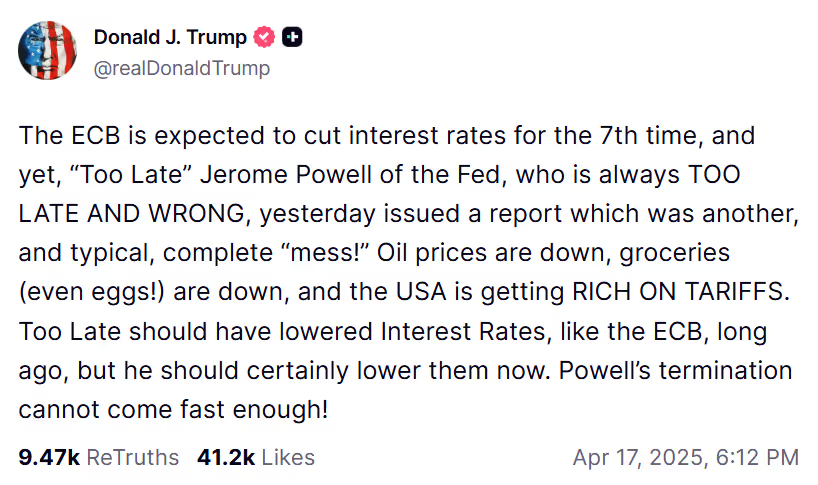
In 2025, this dynamic persisted. Trump again called for deeper rate cuts and renewed his criticism of Powell’s policy approach, through social media posts and in-public remarks. Although Trump has at times suggested that Powell’s departure “cannot come soon enough,” he does not have the legal authority to fire the Fed Chair before the end of his term.
On 11th January 2026, Powell released a video stating that the Federal Reserve has been served grand jury subpoenas from the Justice Department. The subpoenas threaten a criminal indictment related to Powell's testimony on renovations to the Fed's headquarters. Powell stated that the charges are linked to the Fed's interest rate policy, which Trump disaggrees with.
Nevertheless, with Powell’s term coming to an end in May 2026, an announcement by Trump for the next Fed Chair could come as early as this month. Some have termed it as a “Shadow Fed Chair”, in which the nominee is named well in advance of their appointment, skewing investors expectations and influencing the current Fed Chair for the remainder of their tenure.
Candidates for the Next Fed Chair
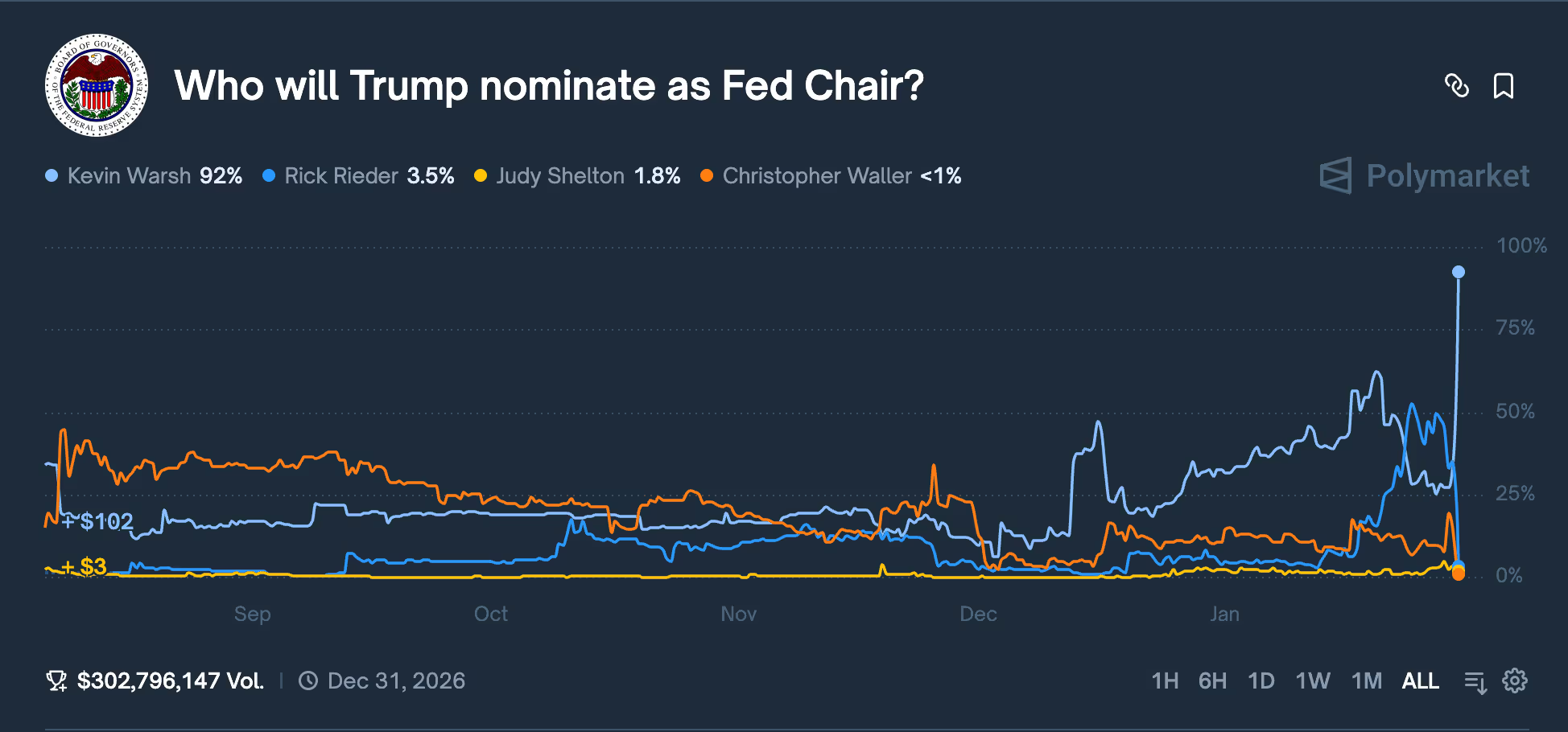
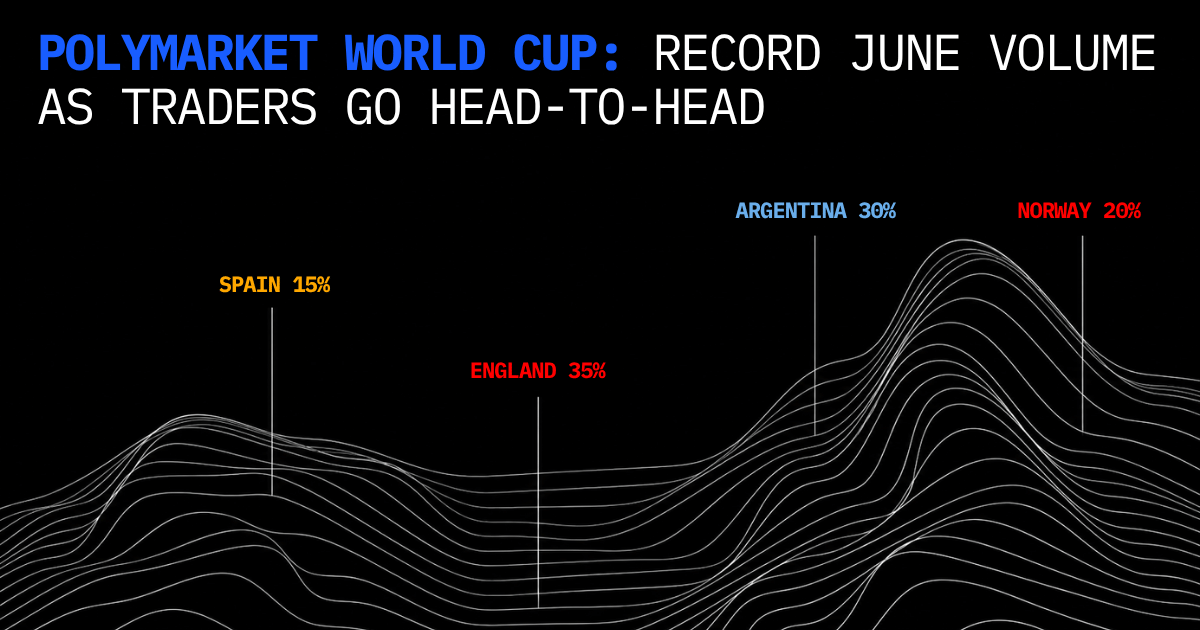
According to leading prediction markets, Polymarket and Kalshi, four names have surfaced as the frontrunners for the next Fed Chair. The contenders: Rick Rieder, Kevin Warsh, and Christopher Waller, and Kevin Hassett possess their own distinct economic philosophy ranging from radical interest rate cuts to a more traditional defense of Fed independence.
Kevin Warsh
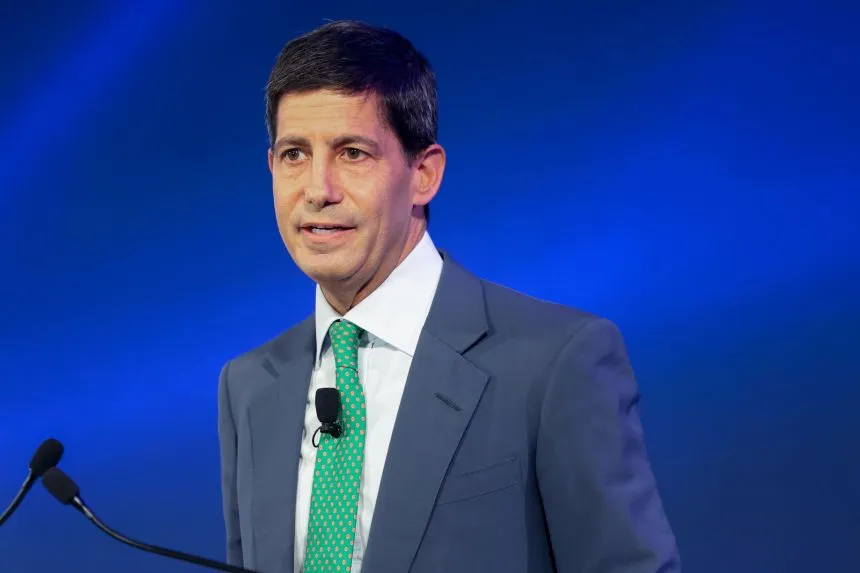
A former member of the Federal Reserve Board of Governors, Warsh is known for being more of a "hawk" than the other candidates. He has often emphasized the importance of maintaining the Fed's independence and prioritizing long-term monetary stability and inflation control. Such an approach could lead to slower rate cuts, reducing overall volatility and potential upside in the markets. However, this could lead to a healthier, more sustainable rally for the long run. On the crypto front, Warsh has been a vocal proponent of a US Central Bank Digital Currency (CBDC), although he has expressed skepticism about decentralized cryptocurrencies. As of 30th January, Polymarket puts Warsh's chances of becoming the next Fed Chair at 93%.
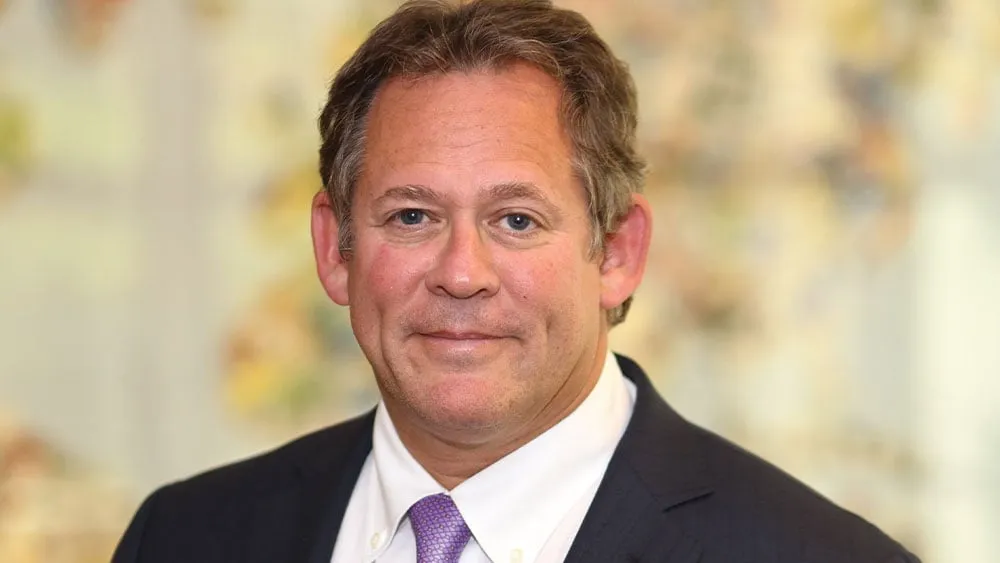
Rick Rieder
As the Chief Investment Officer of Global Fixed Income at BlackRock, Rieder is widely viewed as a pragmatic, market-oriented candidate who leans dovish, recently advocating for the Fed to target a neutral rate closer to 3%. This approach would likely signal a faster pace of rate cuts, aimed at boosting market liquidity and lowering mortgage rates to stimulate the housing sector. Rieder’s private-sector background is seen by the administration as a move toward prioritizing real-world market functionality over academic theory. On the crypto front, he is a vocal proponent of Bitcoin, having characterized it as a "durable" asset class that will remain a permanent fixture of the financial landscape.
Christopher Waller
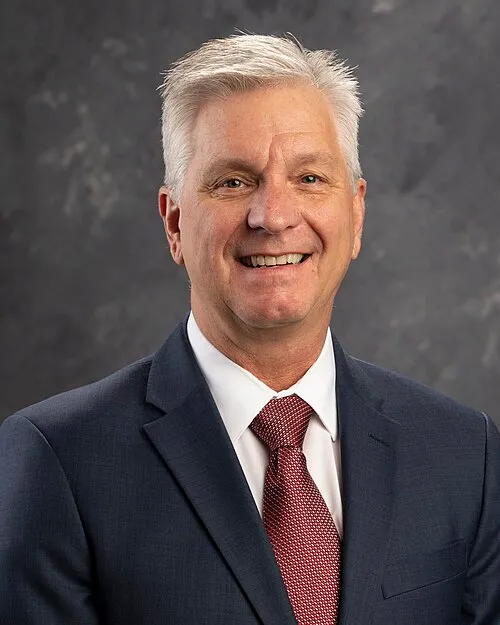
As an incumbent Fed Governor, Waller is known for his support for data-dependent decision making, remaining flexible on his stance based on incoming economic data. He was one of the notable “hawks” in 2022 and 2023, advocating for the Fed’s aggressive tightening. In recent months, Waller has shifted to a more dovish stance, with inflation now subdued. His plan is for more aggressive cuts than the current Fed plan, implying that his appointment would likely lead to an increase in market liquidity, likely ushering in a bullish environment for risk assets.
Kevin Hassett
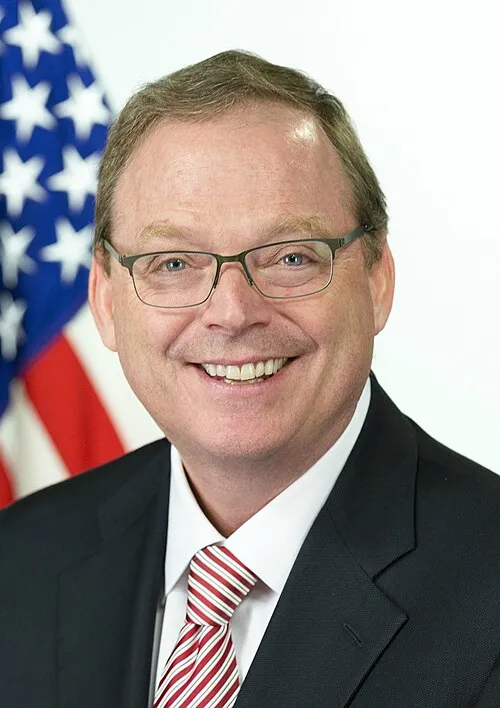
Hassett currently serves as the Director of the National Economic Council of the United States. He is widely viewed as the most "dovish" candidate, with his support for aggressive interest rate cuts to stimulate economic growth. He is also known for his close relationship with President Trump, having served as the Chairman of the Council of Economic Advisers in Trump’s first term. This relationship has also attracted concerns surrounding the Fed’s independence, although Hassett has been quick to publicly dismiss them. For the markets however, aggressive rate cuts would lead to a significant increase in liquidity in the market, which historically tends to correlate with a bullish market. Hassett was the favourite until Trump said he wanted to keep him in his current role.
Why the Fed Chair is Important for Crypto
The selection of a new Federal Reserve Chair represents a crucial moment for the crypto industry because of the position’s influence over market liquidity and sentiment. At its core, the crypto market remains highly sensitive to liquidity. A dovish policy of lower interest rates increases the global supply of dollars and reduces the yield on traditional safe-haven assets like treasuries. This environment historically pushes investors further out on the risk curve in search of returns, providing the essential capital that fuels market-wide rallies. Conversely, a Chair committed to a hawkish stance can quickly dry up this liquidity, creating a risk-off environment that often leads to significant corrections in crypto markets.
Beyond the impacts to valuations, the next Fed Chair will also play a pivotal role in defining the official US stance on the CBDCs and stablecoins. Although the current administration’s stance towards stablecoins has been positive, a Fed Chair who supports the integration of stablecoins with the traditional financial system could accelerate the institutional adoption of stablecoins that had previously been hindered by regulatory friction.
Conclusion
The choice of the next Fed Chair will serve as a definitive signal for the future of the American financial system and the trajectory of the global economy. Whether the administration selects a candidate with a dovish stance or one with a more hawkish outlook, the macro environment for the next four to eight years will be shaped by their economic philosophy and ideology.
As the crypto industry moves further away from its speculative roots and toward mainstream integration, the Fed Chair’s ability to reconcile its traditional dual mandate with the demands of a digitizing economy will likely also play a key role in crypto adoption in the coming years.

.png)





.jpeg)



.jpg)


.jpeg)




.png)






.png)


.jpg)





.png)
.png)


.png)

.png)

.png)
.png)

.png)
.png)






.png)
.png)
.png)
.png)




.png)