December 2, 2025
at
3:05 pm
EST
MIN READ
Ethereum Records Another All-Time High for TPS Ahead of Fusaka Upgrade
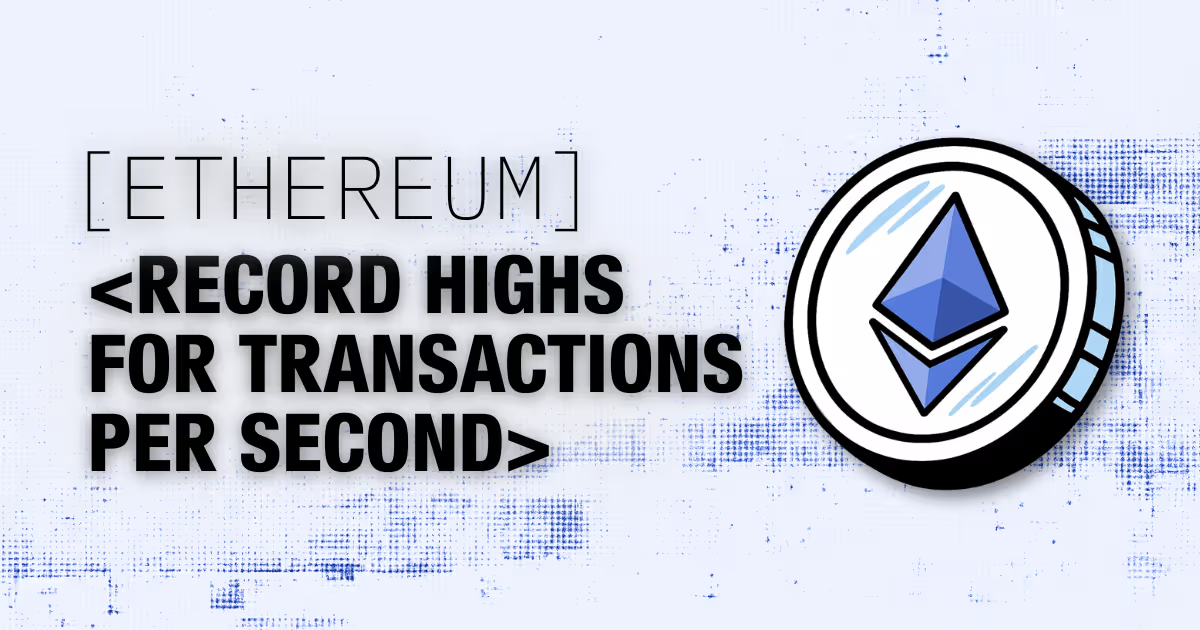
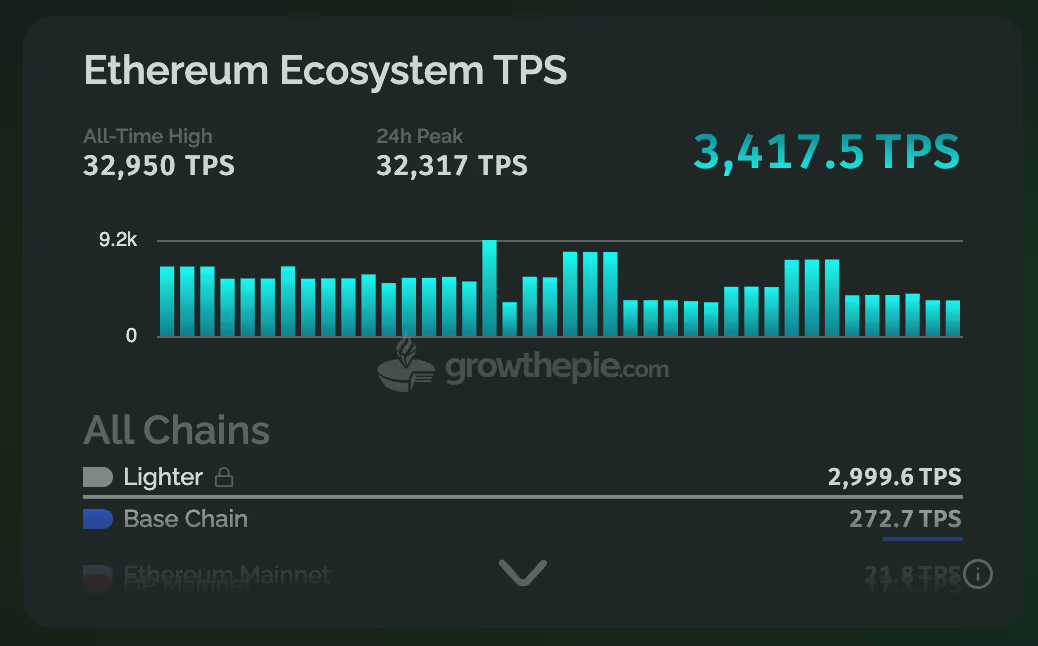
The Ethereum ecosystem – which includes the Ethereum Layer-1 itself and all the L2s – has reached a new all-time high in transactions per second (TPS). TPS hit 32,950 yesterday according to the GrowThePie, improving on the previous record of 31,000 set last week. The new record comes before the launch of the highly-anticipated Fusaka upgrade tomorrow.
The improvements in throughput have mostly been led by Lighter, the Ethereum-native perp DEX. Lighter is built on a zero-knowledge rollup which uses zero knowledge proof technology to dramatically increase throughput.
Zero-knowledge proofs are a breakout trend for crypto in 2025, with Vitalik tweeting about them consistently over the last few months. For a full guide to ZK proofs and rollups, read our expert analysis here.
Lighter’s TPS is consistently in the thousands, whilst the next fastest L2 – Base – usually has a TPS of between 100 and 300 TPS. L2s are integral to the Ethereum ecosystem’s attempts to improve throughput and match Solana’s theoretical maximum TPS of 65,000.
The daily average TPS for the Ethereum ecosystem was 325 yesterday. This number has improved from around 250 TPS at the start of the year.
Upcoming technical upgrades, such as "PeerDAS," aim to further increase the amount of data the network can handle. Some commentators predict the ecosystem could eventually target 100,000 TPS, moving well past the current records.
For users, TPS matters because it drives down costs. As capacity increases, transaction fees on Layer 2 networks continue to drop, making crypto more accessible for daily use.
Furthermore, the Ethereum gas limit was raised from 45 million to 60 million last week, representing a 2x increase in a year. This change went live on November 25th after more than half of the validators approved.
The increase to the gas limit will theoretically lower gas fees and increase TPS by increasing the capacity of each block. These changes will directly increase TPS on the L1 whilst indirectly improving L2 settlement capacity.

.png)



.png)






.jpeg)



.jpg)


.jpeg)












.png)

.jpg)


.png)
.png)


.png)
.png)
.png)
.png)

.png)
.png)









.png)
.png)
.png)
.png)