June 22, 2026
at
6:50 am
EST
MIN READ
How To Set Crypto Alerts On Transfers And Whale Activity
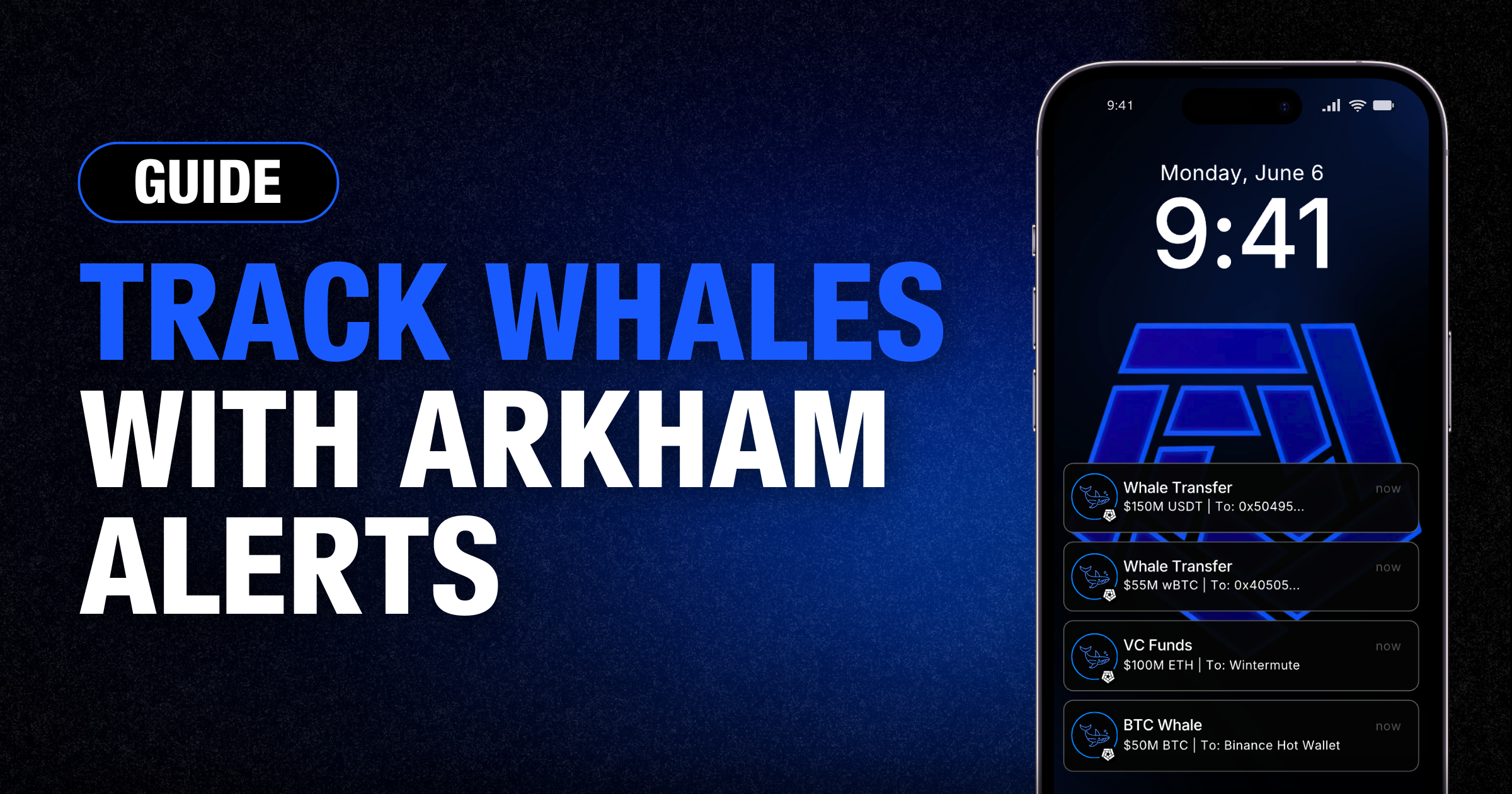
Alerts are a vital tool in a crypto trader’s toolbox. They allow traders to act upon market-moving events rapidly, giving them a chance to get ahead of the market. If done correctly, this can lead to big wins and also prevent big losses.
Crypto alerts work by tracking transfers directly on the blockchain. The best alert tools can track multiple chains and cross-chain transactions. When a user creates an alert, they set certain conditions and thresholds such as value (USD or other currency), specific token, chains, senders, and recipients and if the parameters are met then an alert will be automatically triggered.
Alerts can appear in various forms. Most commonly, traders opt for Telegram. However, alerts can be done in WhatsApp, Slack, SMS or even by webhook.
A common type of alert that traders set is one that targets a specific whale. So, for example, traders can set alerts to track a specific wallet that belongs to Satoshi Nakamoto - the pseudonymous creator of Bitcoin. Satoshi Nakamoto holds over 1 million BTC, worth nearly $100 billion. If this address makes a transfer, the trader will be immediately alerted and can get ahead of the market by selling their assets.
The problem with the example above is that Satoshi Nakamoto has 22,000 different addresses. Alerts would need to be set up for every single one to properly track any movement.
Arkham solves this problem. Arkham is the only blockchain analytics tool that actively de-anonymizes crypto addresses. Once these addresses are de-anonymized, they are grouped into singular entities. When creating an alert for Satoshi Nakamoto on Arkham, users don’t need to set up thousands of alerts, they just set up one alert tracking the Satoshi Nakamoto entity.
It’s not just Nakamoto that has been de-anonymized. Arkham has spent years identifying the wallets held by some of the biggest crypto-holding entities in the world.
For a list of the top 100 crypto-holding entities in the world, click here.
How To Create An Alert On Arkham
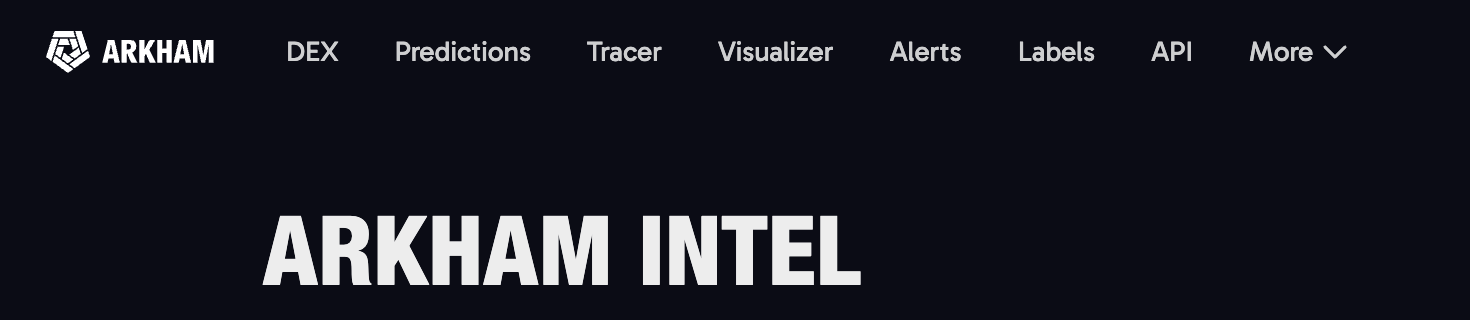
- Go to the Arkham Intel Platform
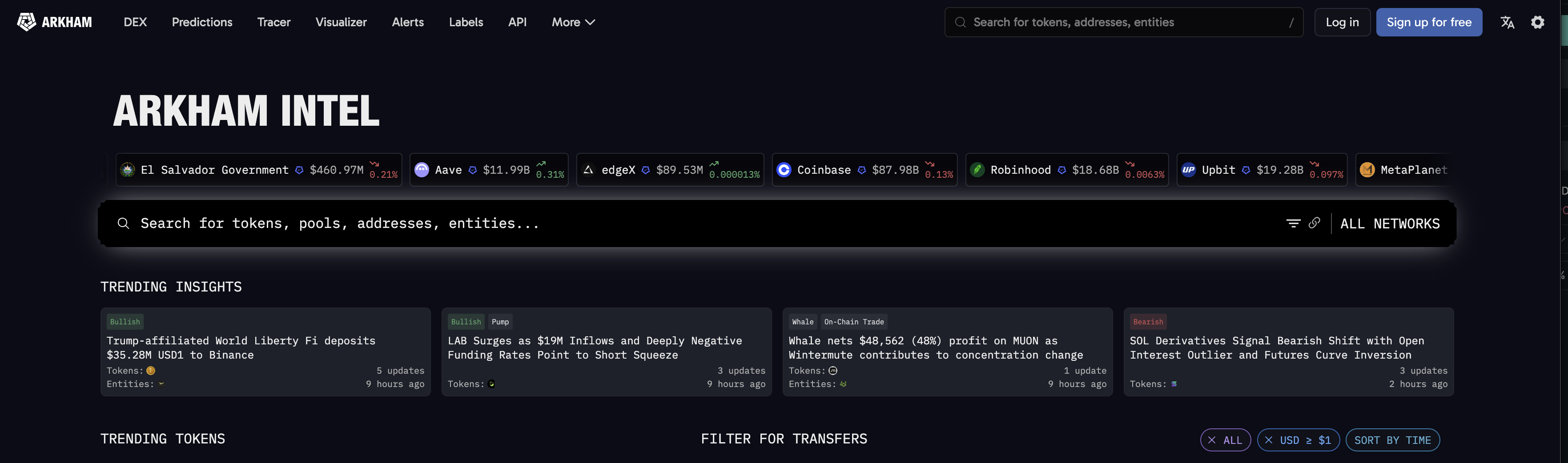
- In the nav bar, click Alerts. You will need to be logged in to access the Alerts feature. If you do not have an account, you will need to create one.
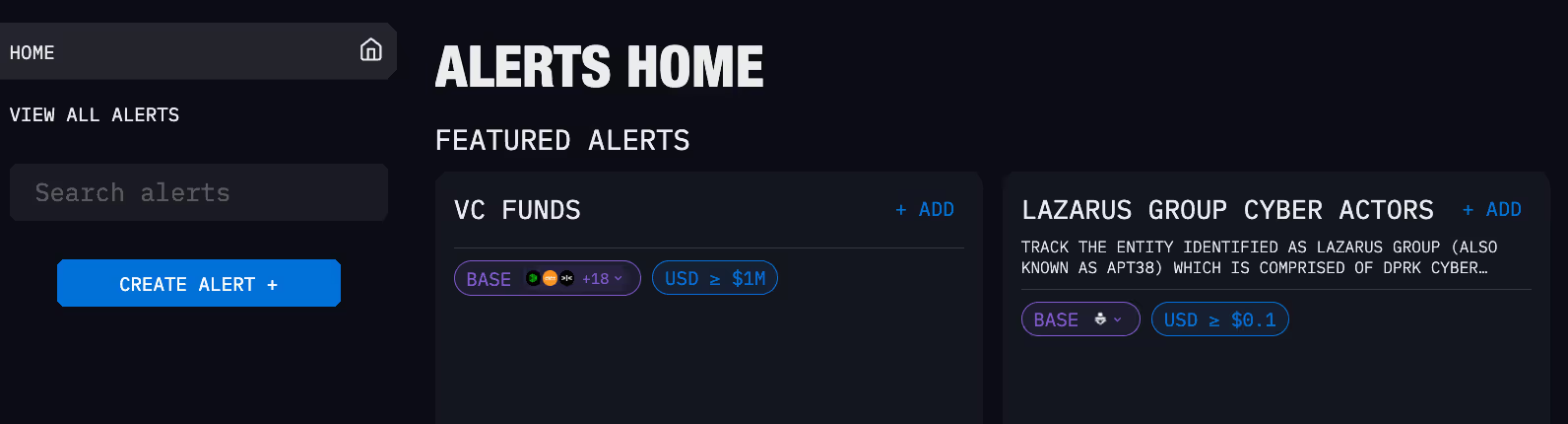
- Click Create Alert (you can also choose from a few Featured Alerts)
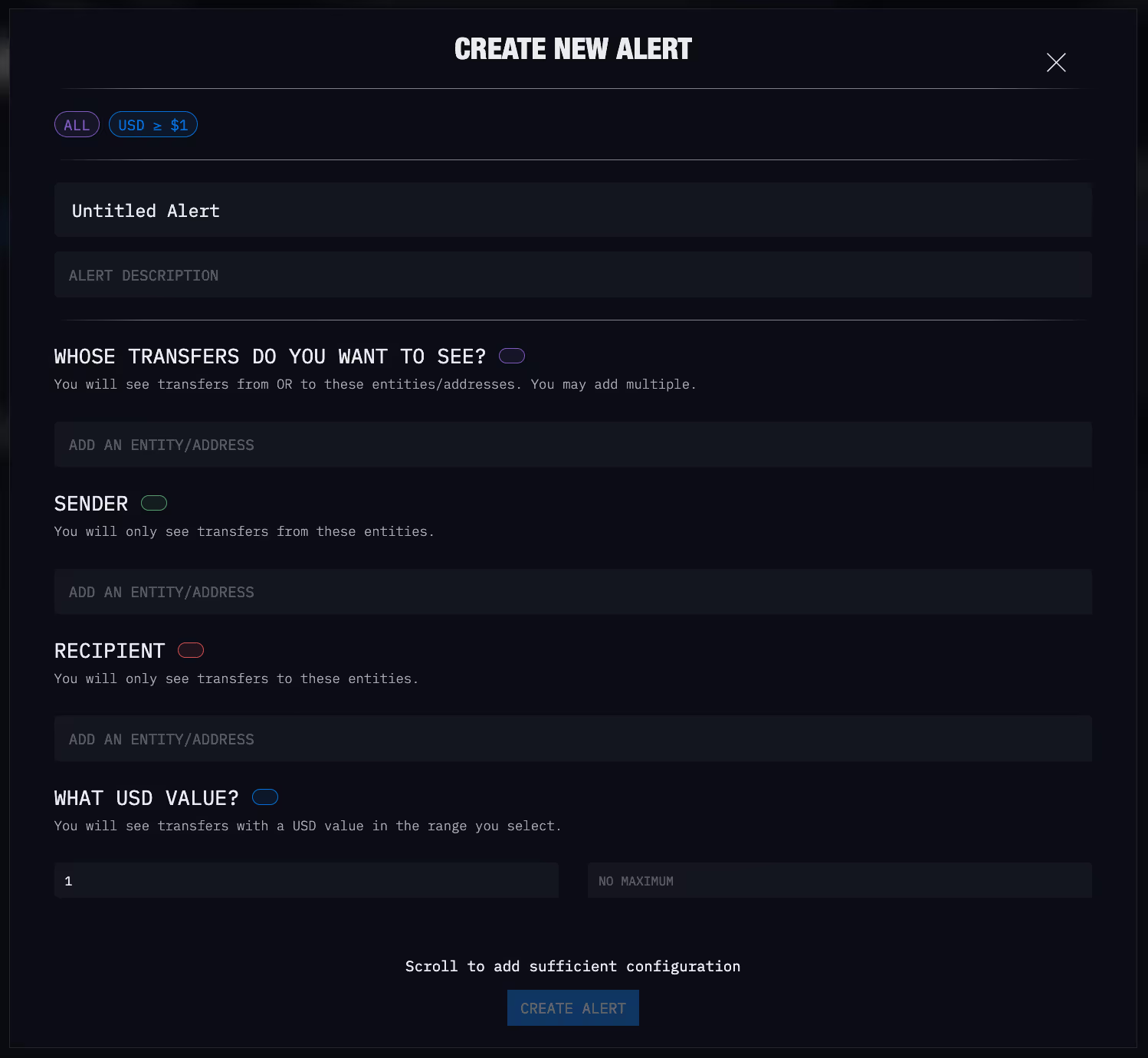
- A Create New Alert window will open. This is where you set your conditions. (Scroll down for more conditions and to select how you want to be alerted.)
What Alerts To Set
Here are some ideas to get you started with crypto alerts:
- Exchange Inflow/Outflow: Large moves to exchanges often signal potential selling pressure.
- Dormant Wallet Activation: When a wallet that hasn't moved for 5+ years suddenly transfers funds.
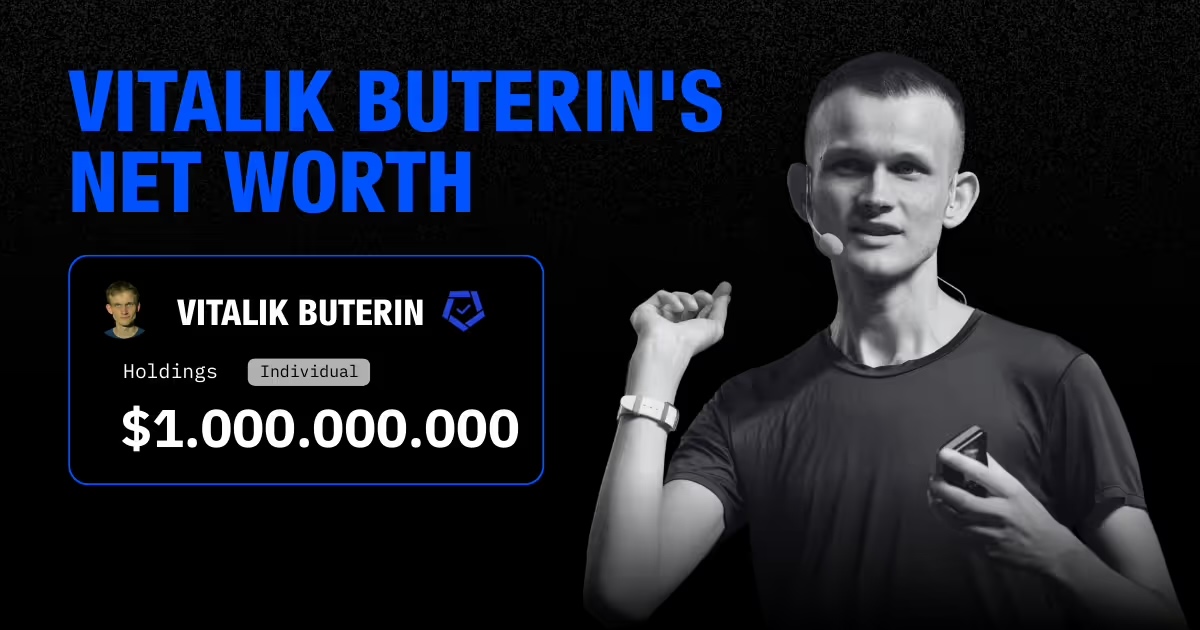
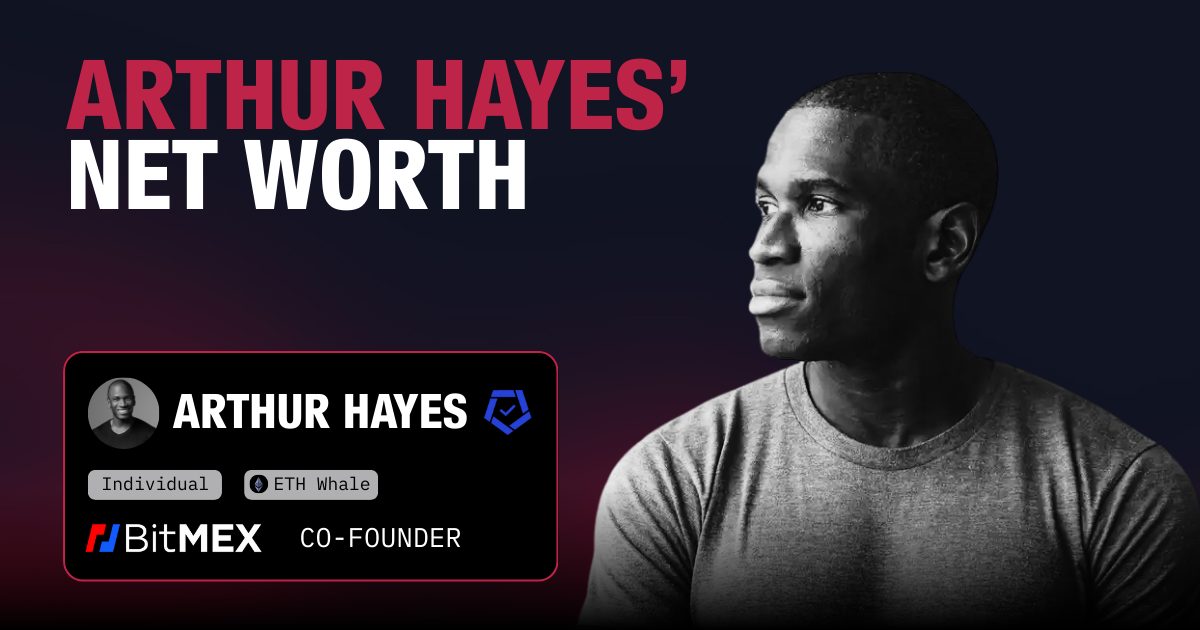
- Large Individual Holders: Track influential individuals like Justin Sun, Vitalik Buterin, Arthur Hayes. For a list of the 10 richest on-chain individuals, click here.

.png)










.png)
.png)




.jpg)








.png)

.png)


.png)



.png)



.png)
.png)


.png)
.png)




.png)
.png)
.png)
.png)



.png)





.png)