March 11, 2026
at
10:22 pm
EST
MIN READ
The NASA Satellite Crash’s Impact on Financial Markets

NASA's defunct Van Allen Probe A (weighing in at 600KG) is about to re-enter the Earth's atmosphere after 14 years in orbit. The probe is not expected to cause injury or damage, with the estimated probability of any consequential harm sitting at around 0.02% according to NASA.
That said, the satellite was not expected to come down to Earth in 2026, with broadly agreed upon estimates from the Agency placing the satellite's re-entry in 2034. The current solar cycle proved much more active than initially expected, with the Sun reaching 'solar maximum' in 2024 - referring to the period of greatest solar activity like solar flares during the Sun's 11 year solar cycle.
What then, could be the consequences of a satellite crash upon financial markets?
Base Case: Nothing Ever Happens
Arguably, routine and expected satellite re-entry should have no consequence on markets, as they do not necessarily affect regulation, on-chain activity, liquidity or other associated fundamental or equivalent factors. When a satellite's re-entry is known, expected, and is likely to have no actual impact on infrastructure or people, there should (in theory) be no direct consequences.
Additionally, the Van Allen Probe A is a defunct satellite - that is to say, it isn't operational and hasn't been operational since it completed a 7 year mission in 2019. The probe's re-entry to Earth does not represent an operational failure, or any specific problem the probe's hardware - given the end of the mission was an expected occurrence in 2019 after it ran out of fuel. NASA routinely leaves spent probes in orbit with the assumption that they will naturally re-enter the Earth's atmosphere and burn up. If the satellite burns up quietly and the news cycle moves on within hours, the market impact is likely nil.
When it Could Matter: The NASA Satellite Crashes on Earth
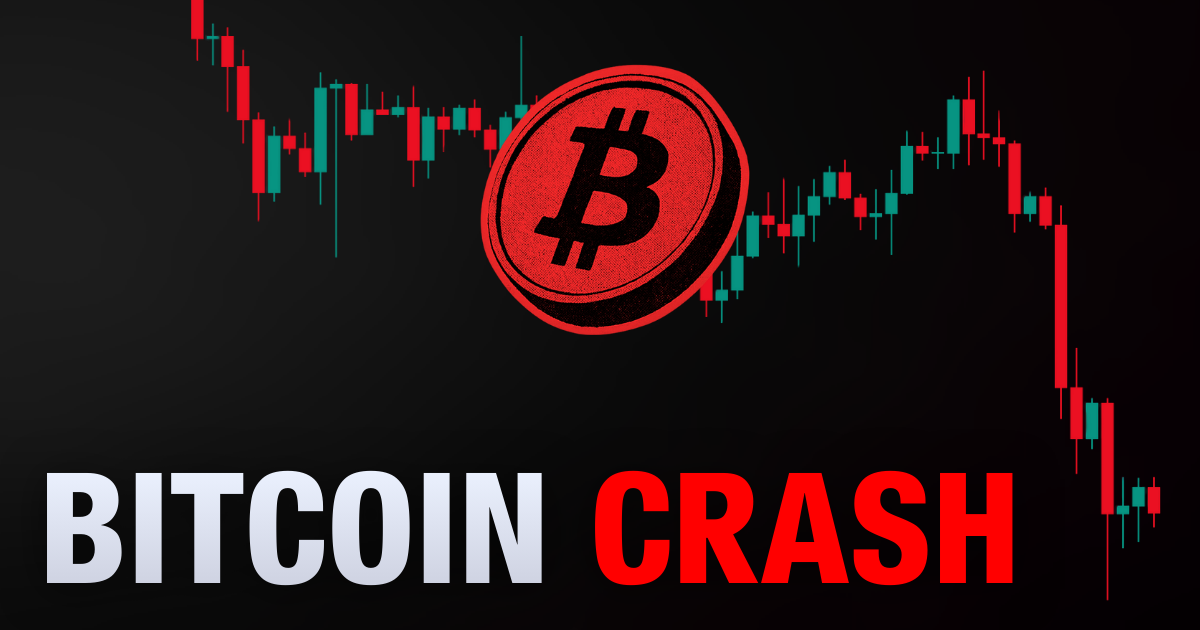
Crypto markets are among the most risk-on markets. Given this, if the broader market were to interpret a satellite crash as consequential, then assets like BTC might be the first to experience negative price movements through broader market fears.
While this is not necessarily expected to take place and many satellites regularly re-enter the Earth and burn up in the atmosphere, these could be the circumstances in which asset prices are affected:
Physical Infrastructure Disruption
If debris survives reentry and damages critical communications or power infrastructure in a populated area, there is a real chance of software infrastructure going offline, depending on whether the debris were to affect critical data centers, or supporting infrastructure for hardware operations like Bitcoin mining.
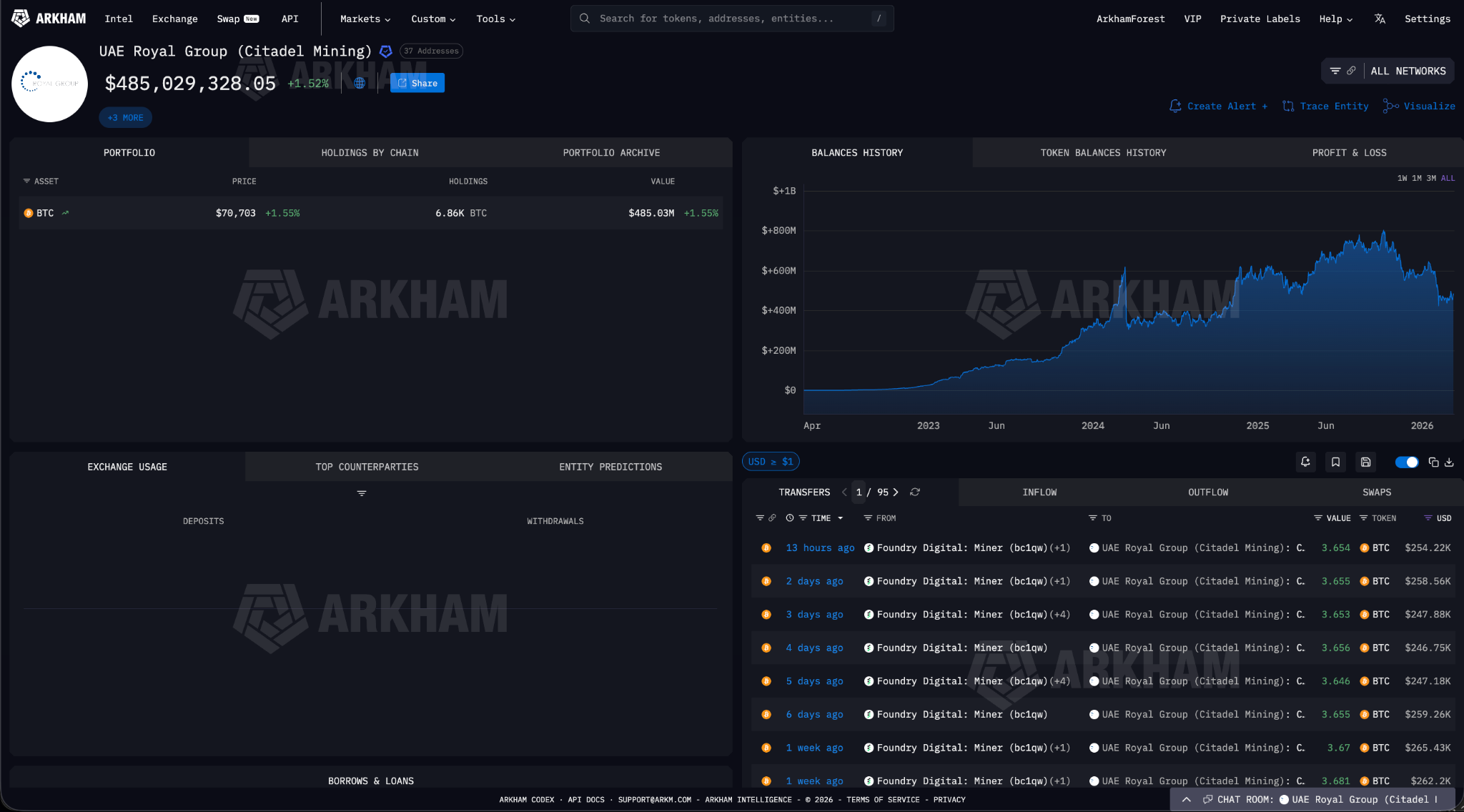
For example, Iranian strikes on the UAE in March 2026 rendered a number of AWS servers offline, which led to downtime for a number of different software services. Additionally, during severe snowstorms in the United States in January 2026, a number of BTC miners curtailed operations as electricity costs surged, reducing the Bitcoin network's hashrate by as much as 40% and slowing block production times to around 12 minutes.
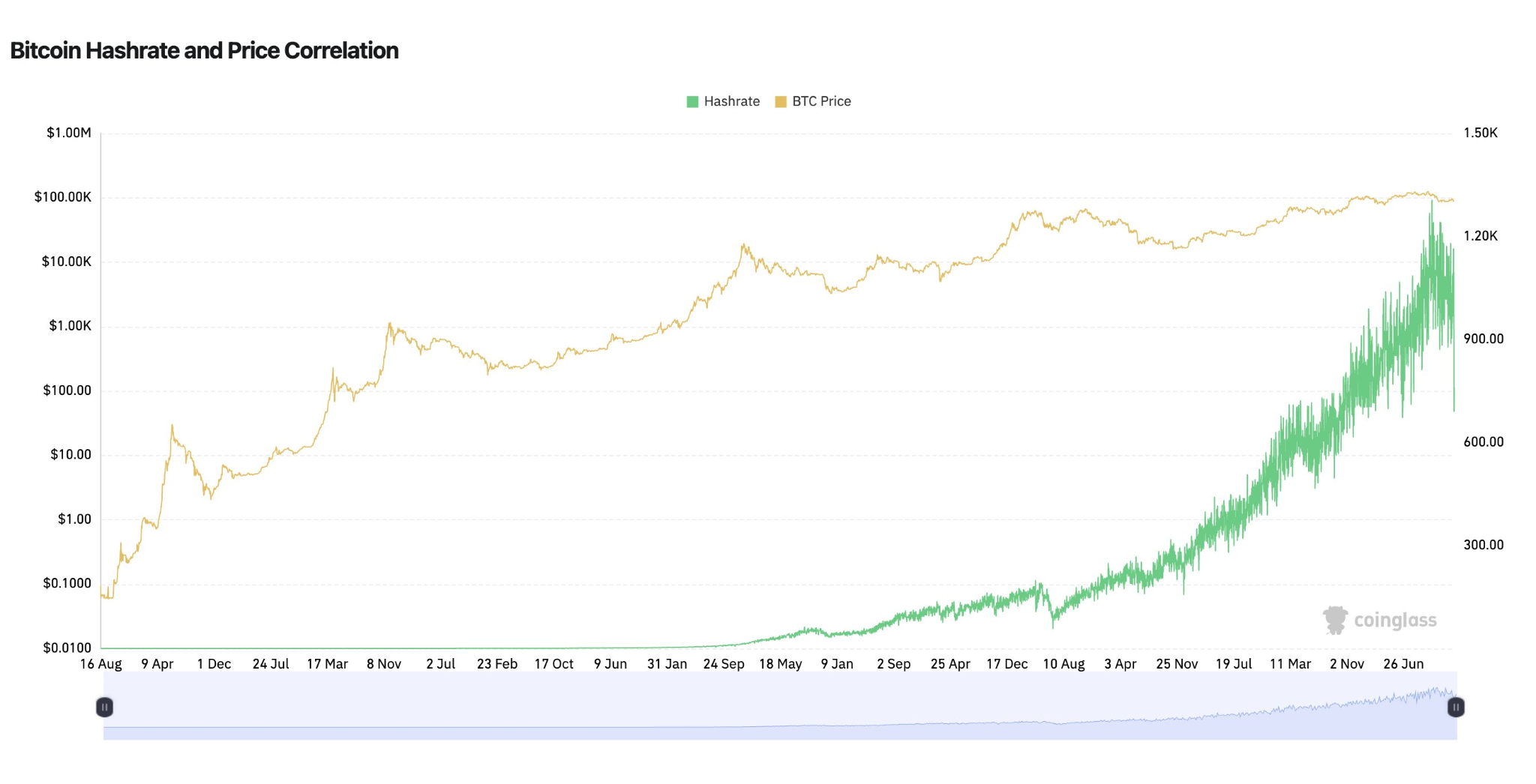
These are some examples of recent, real world impacts of events on Cryptocurrency operations - which could feasibly result froma satellite causing damage to physical infrastructure. They could have consequences, like causing exchanges to go offline and accordingly, affect traders' ability to open/close positions - or reduce throughput in the Bitcoin network or other blockchains causing transaction fees to spike.
Fear
Even without physical damage, or as a consequence of it, fear could likely follow as traders move to protect their assets from further downside. This would be exacerbated if the market were already in a period of elevated funding rates, or high open interest in perps. Regardless of whether the actual physical damage were to be significant or not, a market already tipping in a certain direction might tip over the edge with something as wild and unexpected as a satellite falling to Earth and destroying physical infrastructure.
In reality, the probabilities of these events appear to be low (at present) - though there is no doubt that real world events like this can affect price action.
Furthermore, any re-entry that were to cause major casualties or large scale damage to a dense urban area could produce a more widespread risk-off move across equities and crypto - much like a geopolitical or terror shock, and likely be even more severe than the circumstances noted above.
The Convergence Between Space & Crypto
There is a perhaps unlikely, but growing overlap between the two sectors.
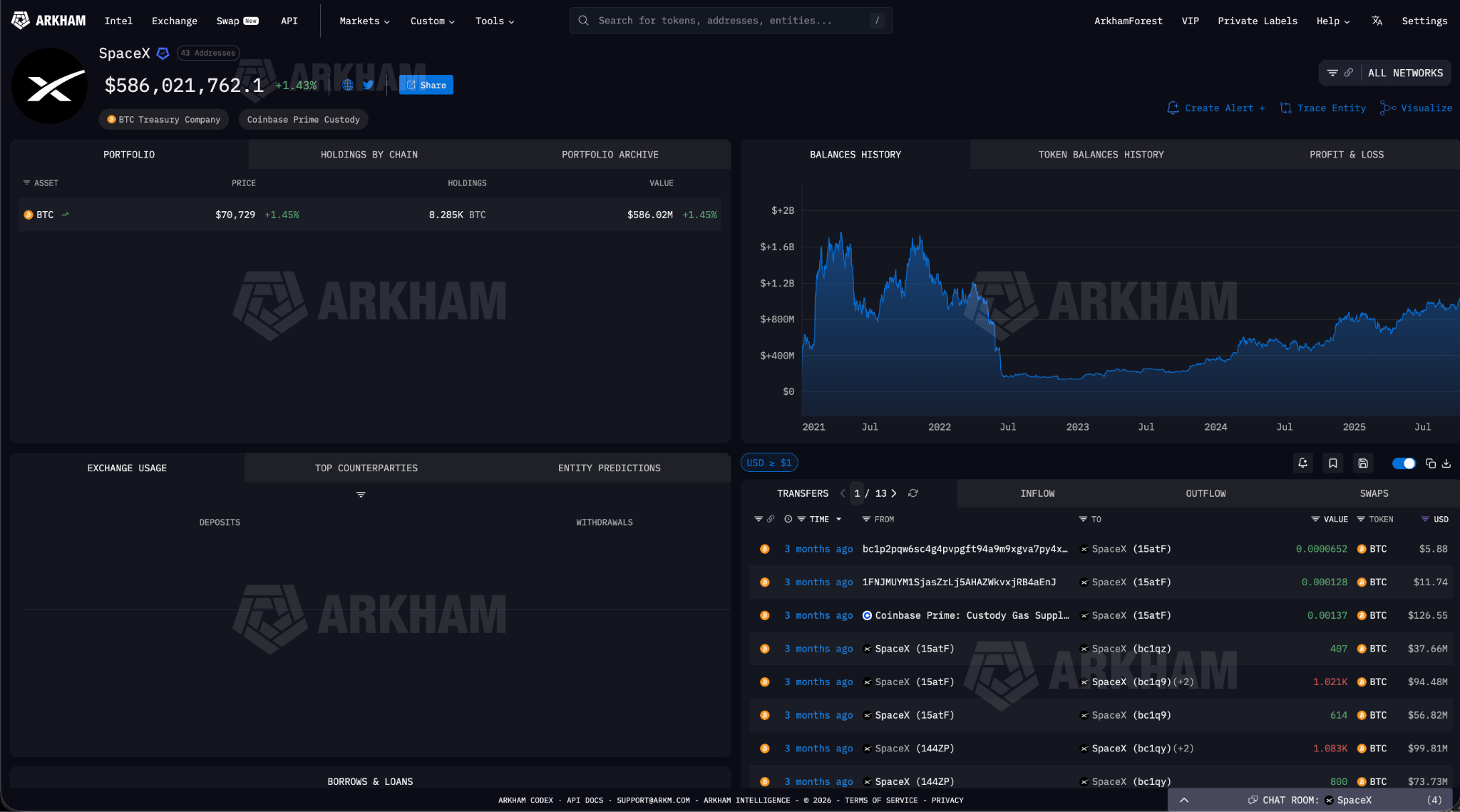
SpaceX, for instance, holds approximately 8,285 BTC worth roughly $586 million at current prices. SpaceX's Bitcoin was first deanonymized by Arkham in March 2024 - and places them as one of the largest corporate BTC holders alongside Tesla. Their BTC portfolio peaked at nearly $2B in late 2021 - and if SpaceX were to IPO at almost $2 trillion, they would be the largest company on Earth holding BTC.
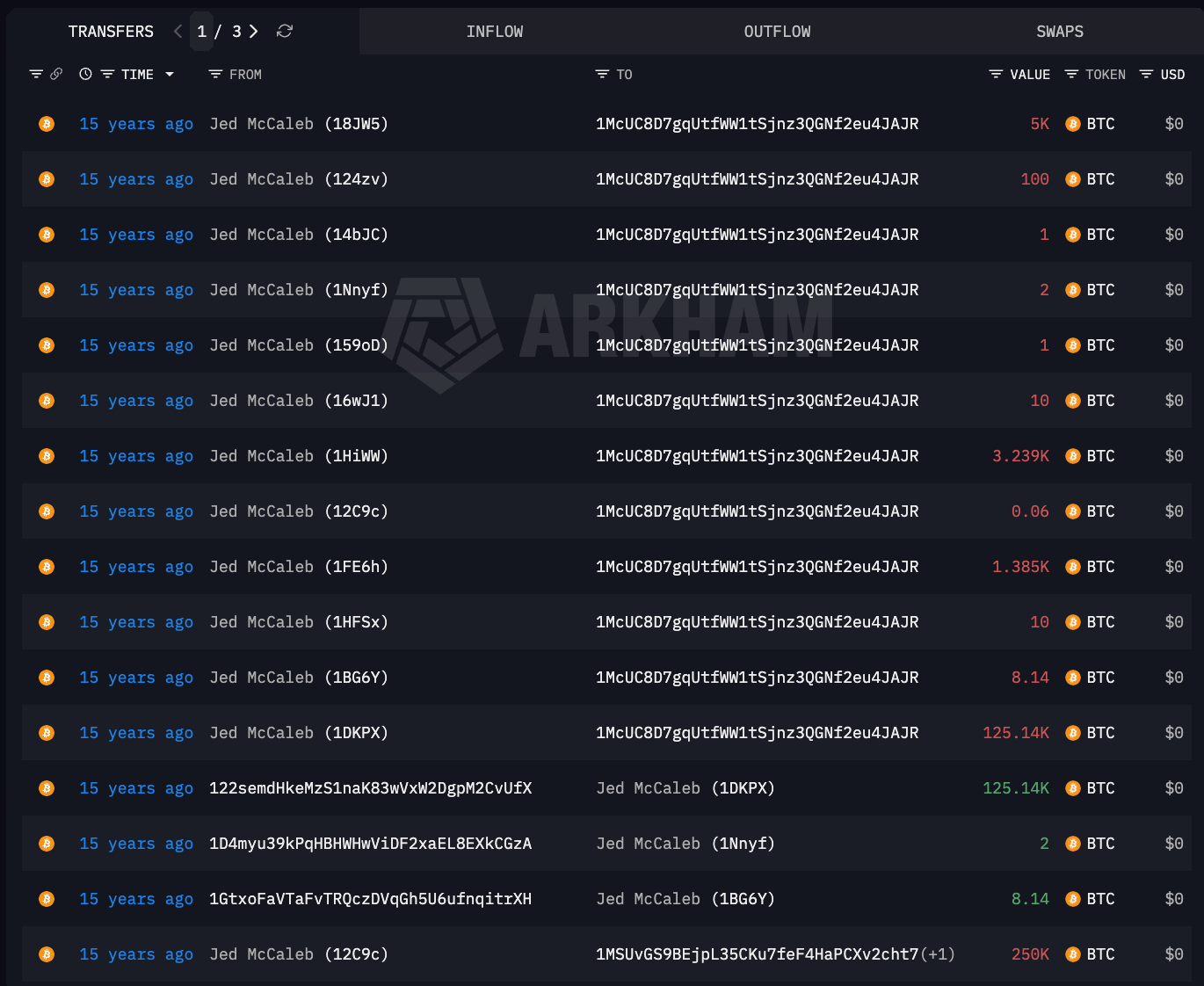
Further to this, Jed McCaleb, who founded Mt. Gox and co-founded both Ripple and Stellar, launched Vast - which builds next generation space stations with the aim of replacing the aging International Space Station. McCaleb has reportedly used much of his wealth amassed from Crypto markets to self fund Vast's operations.

.png)









.jpeg)

.png)














.png)







.jpg)

.jpeg)









.png)

.jpg)



.png)
.png)

.png)


.png)
.png)
.png)


.png)
.png)








.png)
.png)