April 14, 2026
at
12:15 pm
EST
MIN READ
Everything We Know About Goldman Sachs Bitcoin Premium Income ETF
Goldman Sachs is entering the digital asset space with a new SEC filing for a Bitcoin Premium Income ETF. Following the success of spot Bitcoin ETFs and recent income fund filings by competitors like BlackRock, Goldman Sachs wants to offer investors a traditional mechanism to generate yield from Bitcoin’s volatility.
You can access the SEC filing from 14th April 2026 here. It clearly shows the title of the registered vehicle as: Goldman Sachs Bitcoin Premium Income ETF.
The new fund commits to investing at least 80% of its net assets in vehicles (Bitcoin ETPs) that provide exposure to Bitcoin. It is not a spot fund and neither the fund nor its subsidiary invests directly in BTC itself. Instead, the portfolio is built using:
- Spot Bitcoin ETPs: Exchange-traded products that hold physical bitcoin and mirror its real-time spot price.
- Bitcoin ETP Options: Financial derivatives, including options on both individual spot ETPs and "Bitcoin ETP Indices".
- Synthetic Positions: The fund creates a "synthetic long" position by purchasing and selling these options to gain price exposure without holding the underlying coin.
The ETF will generate yield through a covered-call strategy that transforms Bitcoin from a passive holding into an active income generator.
- Selling Calls: Goldman Sachs actively writes (sells) call options on its Bitcoin ETP holdings. These contracts grant the buyer the right to purchase the asset at a predetermined "strike price".
- Collecting Premiums: In exchange for selling these rights, the Fund collects a cash premium. These premiums are the source of the distributions intended for shareholders.
- Customization via FLEX Options: To fine-tune these positions, the ETF may use FLEX Options (Flexible Exchange Options) via the Chicago Board Options Exchange, allowing them to customize exercise prices and expiration dates.
The strategy is effective particularly in sideways markets where the income from premiums can outperform a simple "buy and hold" approach. However, there is a ceiling on gains.
If Bitcoin’s price skyrockets above the strike price of the sold options, the fund sells at that lower strike price, meaning investors miss out on gains. In short, the fund trades the potential price appreciation for immediate, regular income.
Track On-Chain
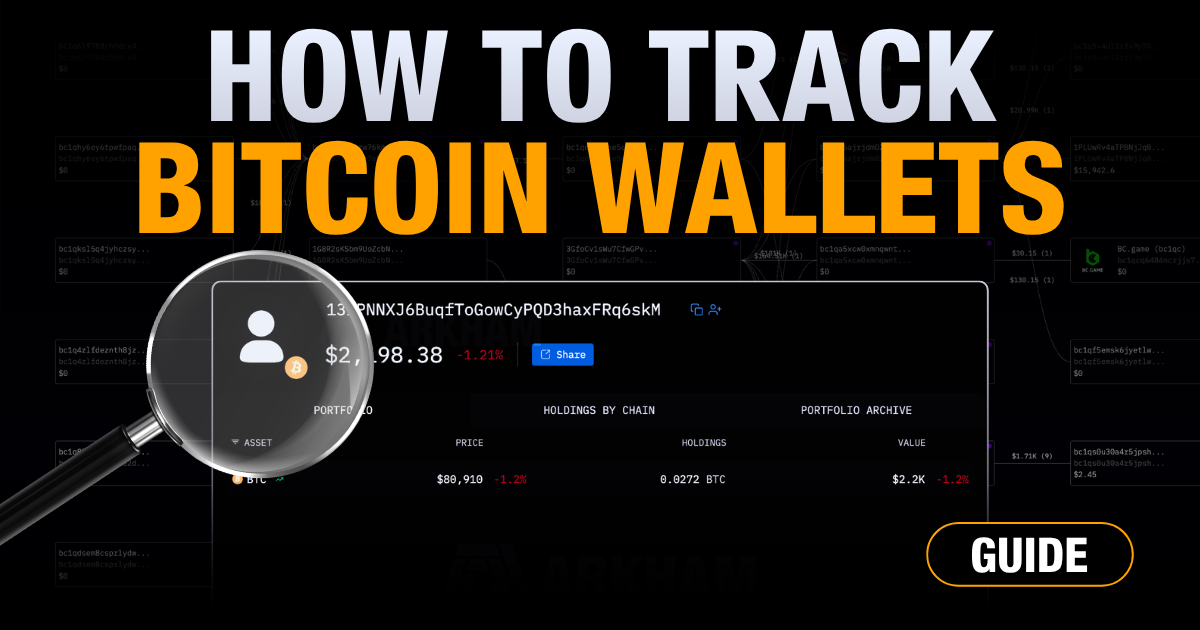
Once the ETF begins active trading, investors will be able to track its capital flows and performance. Additionally, once the fund's specific on-chain addresses are identified, tools like Arkham Intel will allow for real-time monitoring of the underlying ETP holdings and inflows.

.png)













.jpeg)





.jpg)


.jpeg)





.png)







.png)

.jpg)



.png)
.png)




.png)


.png)
.png)
.png)


.png)
.png)









.png)
.png)
.png)
.png)




.png)