April 9, 2026
at
8:30 am
EST
MIN READ
Is Adam Back Satoshi Nakamoto? British Cryptographer Is Bitcoin Creator, According to NYT
%20copy.png)
British cryptographer Adam Back has been forced to deny being the pseudonymous Bitcoin creator Satoshi Nakamoto. His denial has come after investigative-reporter John Carreyrou accused him of being Nakamoto in a lengthy New York Times article.
While Back has already denied being Satoshi in response to the article - if ever confirmed, Back would be one of the richest people on Earth, with a current net worth of at least $78B if he has access to Satoshi's BTC stash - down from $134B at peak.

Carreyrou is a Pulitzer Prize winning investigative reporter at the New York Times. He is the author of Bad Blood: Secrets and Lies in a Silicon Valley Startup - and was the first to expose that a once darling Silicon Valley startup called Theranos, which had attracted investments from Rupert Murdoch, the Walton family, Betsy DeVos and Carlos Slim, had lied about the success of their blood testing technology. His work subsequently led to the arrest of Founder Elizabeth Holmes, and ultimately, the collapse of her $9 billion startup.
Carreyrou's suspicion towards Back started after he watched the 2024 HBO documentary Money Electric. Back’s discomfort at being mentioned as a potential suspect in the search for Nakamoto’s identity was highly suspicious to Carreyrou, and he decided to look further into it.
According to Carreyrou, Back’s “shifty eyes, his awkward chuckle, the jerky movement of his left hand” were what drew his attention.
From this starting point, Carreyrou built a dense web of evidence accumulated over a year of digging through decades-old mailing list archives. Within this body of work, there are many parallels between Back and Nakamoto.
Back, a Cypherpunk since 1995, invented Hashcash - the proof-of-work system Satoshi later borrowed for Bitcoin mining. Additionally, in a series of posts from 1997 and 1999, Back outlined many of Bitcoin’s core features. Bitcoin was launched in 2008. For example, Back mentioned a distributed e-cash system removed from banks with a mining difficulty that increased over time to prevent inflation.
Back also displayed various behavioural patterns that make him a contender for being Satoshi Nakamoto. Prior to Bitcoin being launched, Back commented prolifically on every e-cash proposal for more than a decade, then went silent from late 2008 through mid-2011 – when Satoshi was active. He reappeared publicly just six weeks after Satoshi vanished.
Interestingly, Carreyrou also highlights several intriguing linguistic parallels between Back and Nakamoto. Carreyrou built a database of more than 34,000 mailing list posters and filtered for Satoshi's quirks: two spaces between sentences, mixed British and American spellings, idiosyncratic hyphenation errors, sentence-ending "also", confusion of "it's" and "its". Back’s name repeatedly popped up in Carreyrou’s analysis of all these linguistic quirks.
The culmination of Carreyrou’s investigation was a confrontation with Back himself. Carreyrou had concluded with certainty that Back was Nakamoto and had admitted this to Back, and been denied an interview.
So Carreyrou confronted Back at a Bitcoin conference in El Salvador in 2025. Carreyrou outlined all his evidence to Back and Back denied all of it, stating: “Clearly I’m not Satoshi, that’s my position.”
Has the Mystery Been Solved?
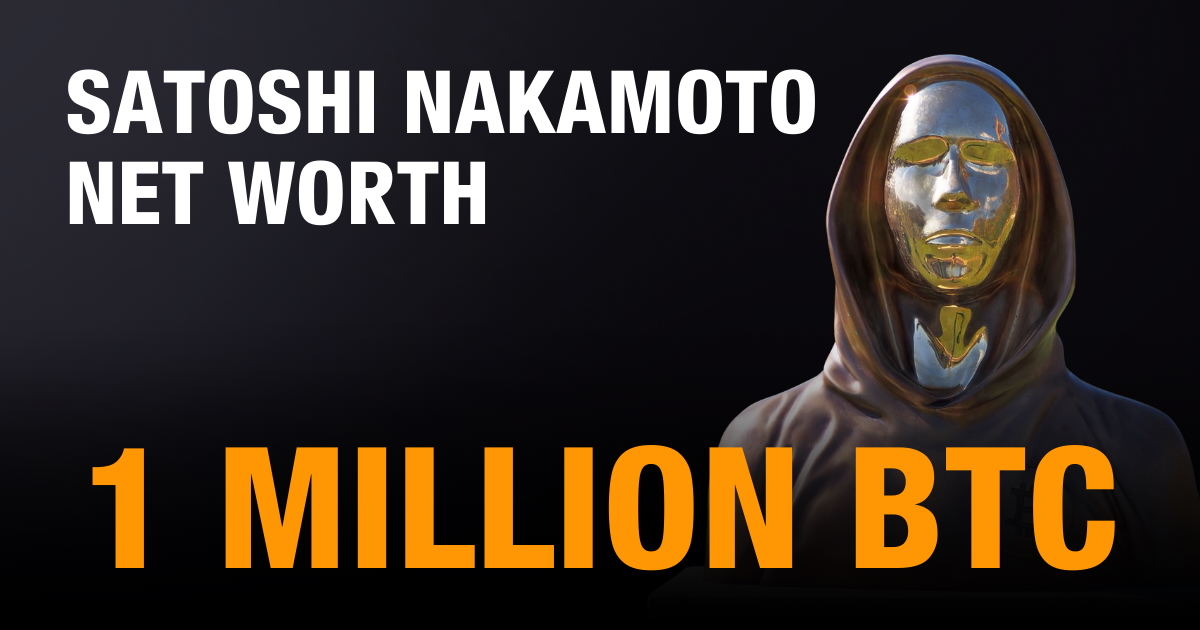
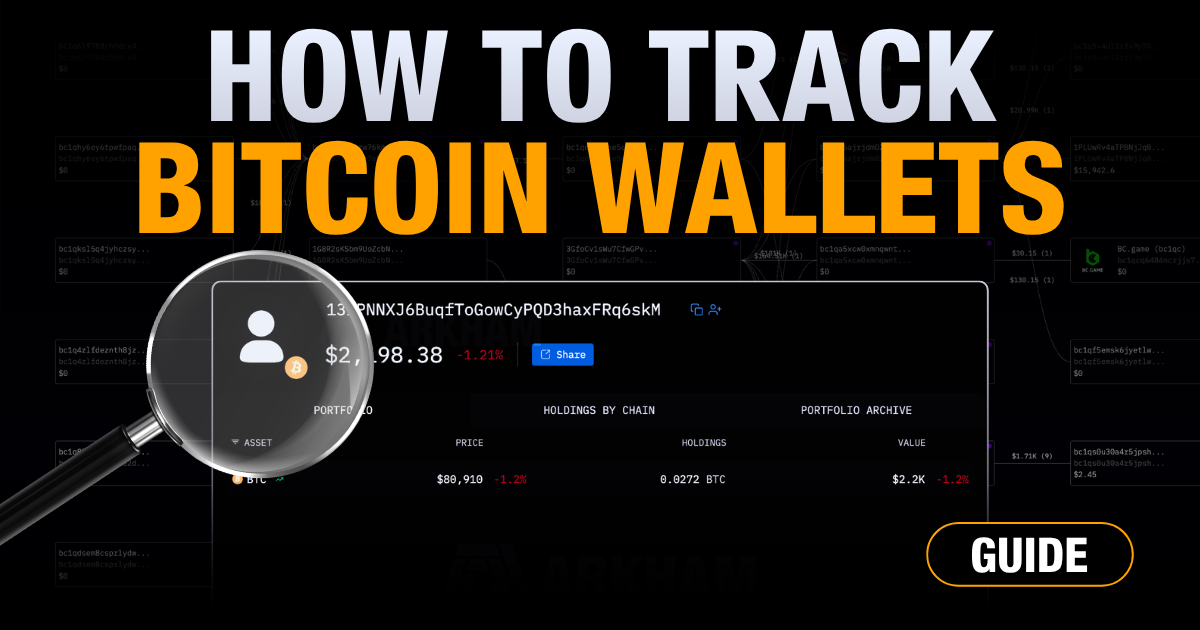
While the debate over Nakamoto’s true identity remains one of the greatest mysteries of the digital age, the blockchain is no mystery. Data from Arkham Intel shows the Satoshi Nakamoto entity currently holds a fortune of $78 billion. This is the combined value of over 1 million BTC, representing around 5% of the total circulating supply.
Though the individual behind the pseudonym remains, their on-chain movements will always be discoverable. Arkham has meticulously tracked, grouped, and labeled Nakamoto’s known wallets into a single, observable entity.
Track Satoshi Nakamoto here: https://intel.arkm.com/explorer/entity/satoshi-nakamoto

.png)




.jpeg)




.jpg)


.jpeg)




.png)




.png)
.jpg)



.png)

.png)


.png)

.png)

.png)
.png)

.png)
.png)






.png)
.png)
.png)
.png)




.png)