August 17, 2026
at
7:05 am
EST
MIN READ
How To Track A Bitcoin Wallet
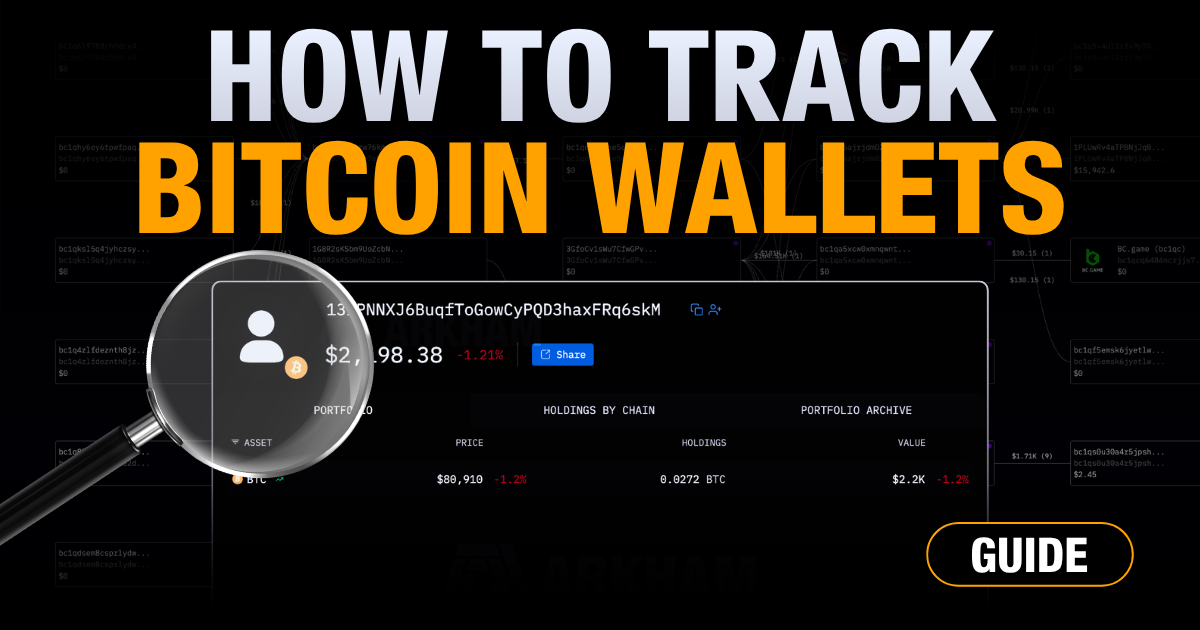
Due to the immutable, open nature of public blockchains (like Bitcoin), tracking a Bitcoin wallet is easy, free and quick. There are plenty of tools out there that facilitate Bitcoin wallet tracking.
The most common tools are blockchain explorers that specifically support Bitcoin. Arkham Intel is a blockchain explorer that supports the Bitcoin network - as well as all other major blockchains.
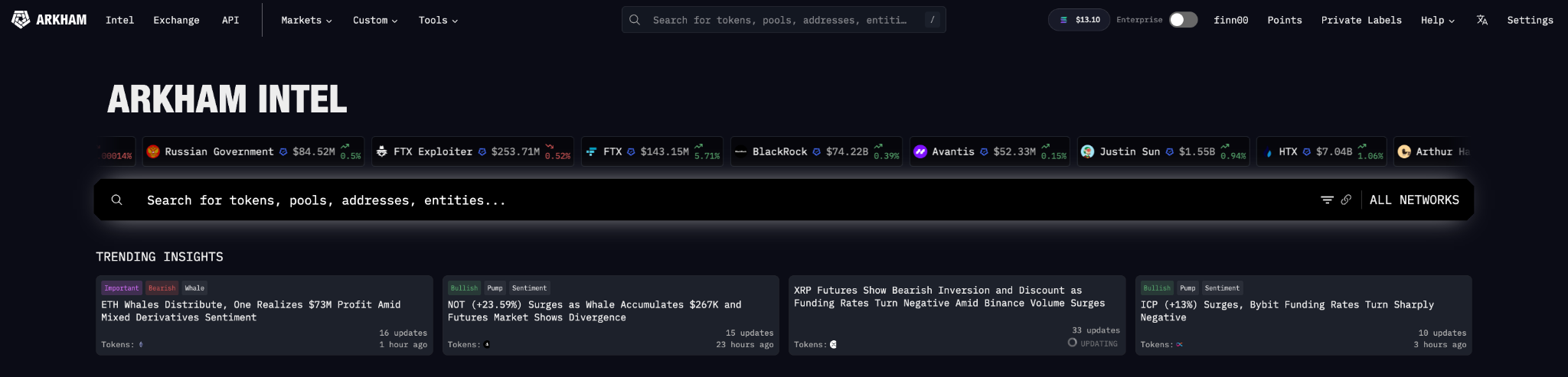
To track a Bitcoin wallet on a blockchain explorer, you will need one of these three things:
- The alphanumeric address of the Bitcoin wallet
- An alphanumeric transaction hash (TXID) where the specific wallet is a counterparty
- A known counterparty of the Bitcoin wallet you are trying to track (this could be another alphanumeric address or it could be a de-anonymised entity like “BlackRock”)
Alphanumeric Address
If you know the alphanumeric address of the Bitcoin wallet you are trying to track, then your job will be very easy.
Here’s an example - copy and paste the following address into the search bar at intel.arkm.com:
bc1quyr67ln7qrh972s534ukkryk3r8jq558zyjs0f
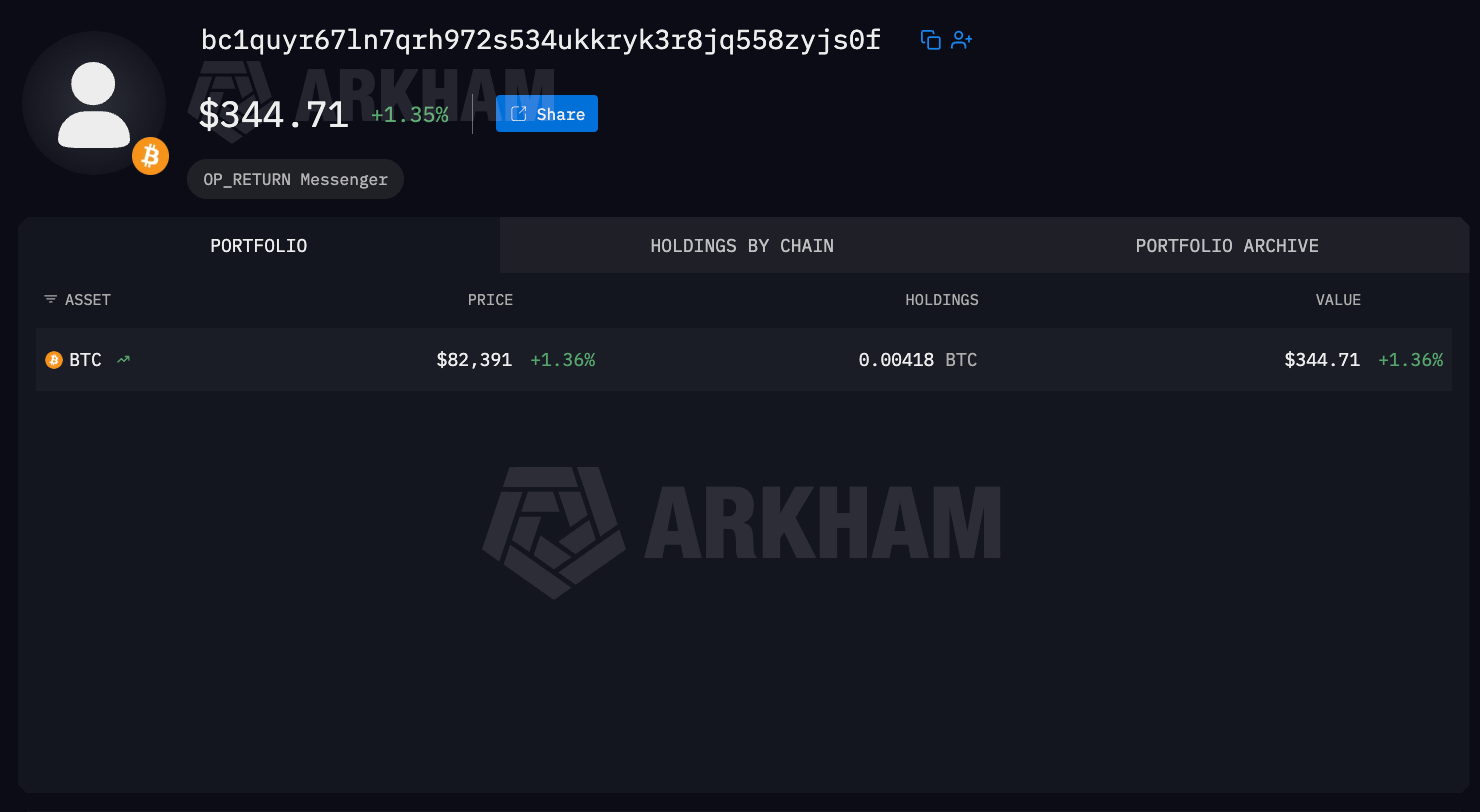
Now you can access a full suite of blockchain intelligence tools which allow you to track everything this wallet has done in the past, and stay abreast of anything it does in the future.
Here’s a list of things you can do from here:
- See Top Counterparties
- Track all historical transactions into and out of this wallet
- Label the wallet with a custom name that means something to you
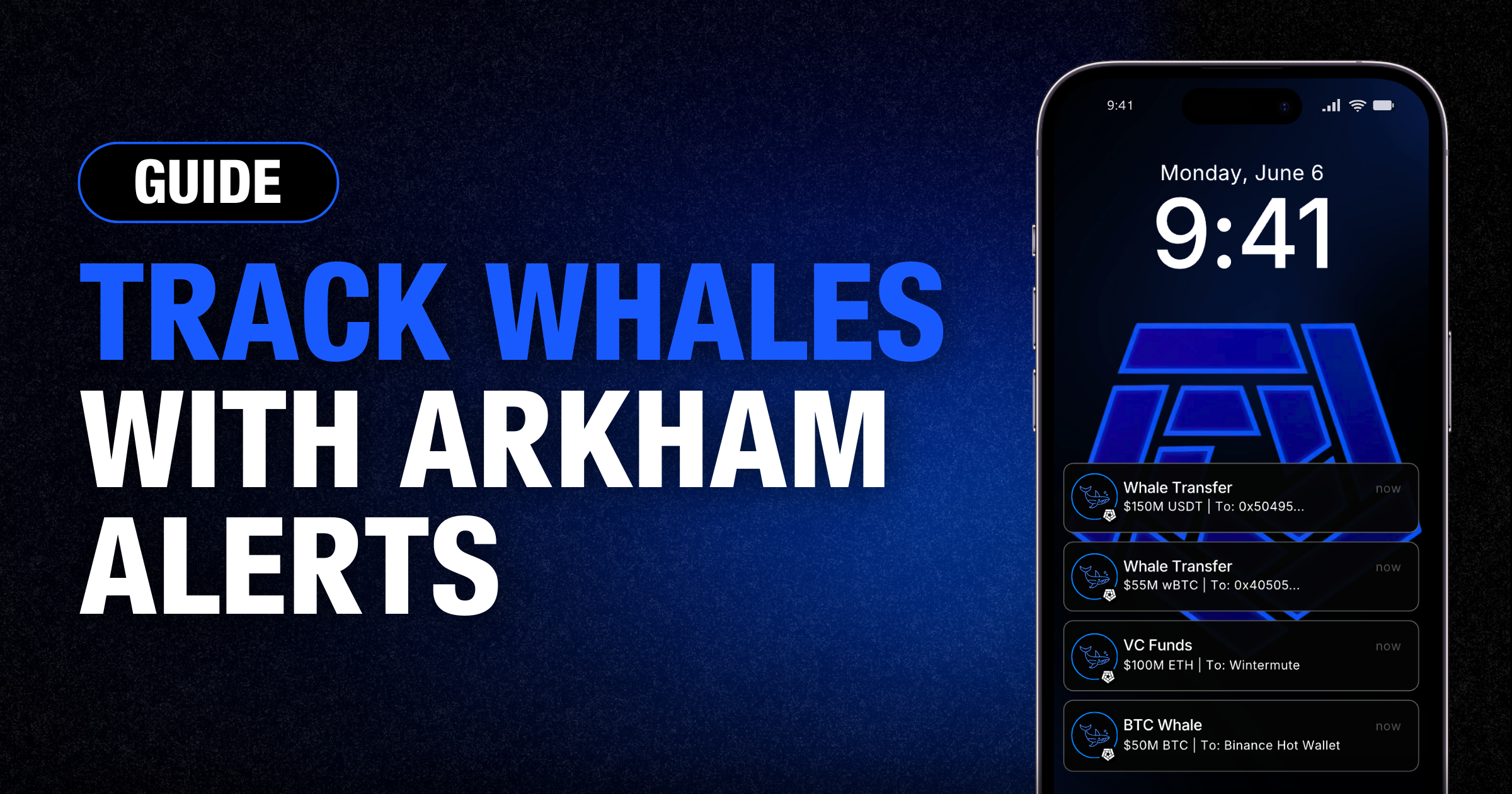
- Create an alert for this specific wallet to notify you when a specific event happens
- Follow the trail of funds into and out of this wallet using the Tracer
- Visualize all counterparties using an intuitive node tool called the Arkham Visualizer
- Group this wallet together with any other wallets and label it as an entity
An Alphanumeric Transaction Hash (TXID)
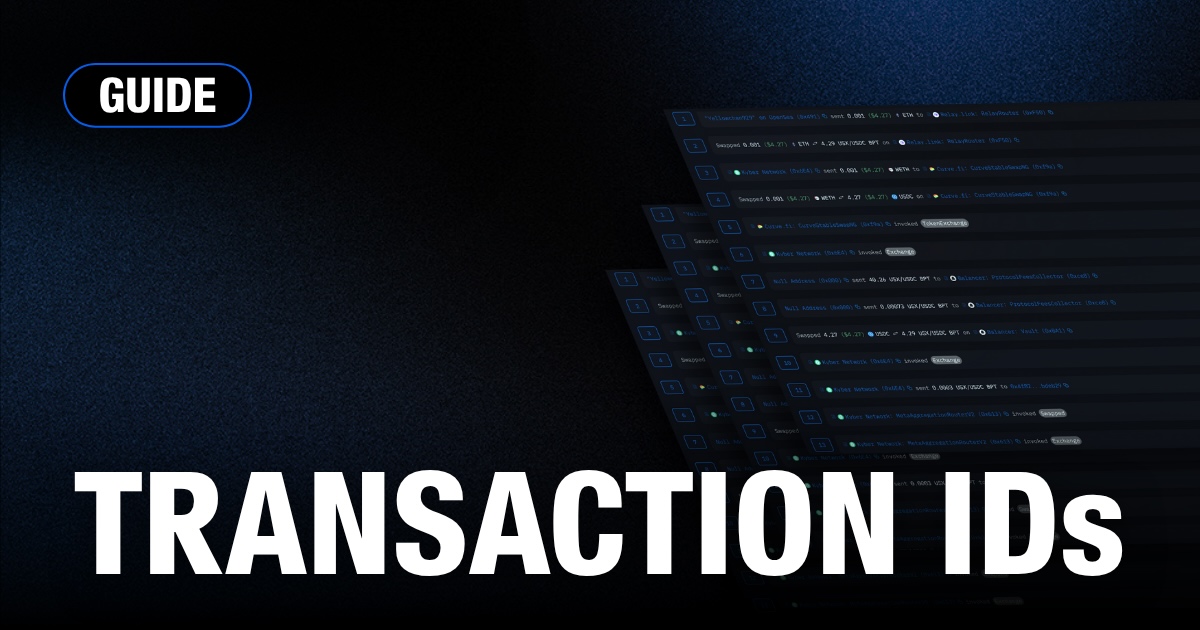
If you don’t have the specific wallet address, but you have the receipt of a transaction that the wallet was involved in, you can work backwards to find the wallet itself. In cryptocurrency, this "receipt" is known as a Transaction Hash, or TXID.
Use the Arkham TXID Check tool here.
A TXID is a unique string of letters and numbers representing a specific movement of funds on the blockchain.
To find a wallet using a TXID:
- Copy and paste the TXID into the search bar of your blockchain explorer (like Arkham).
- Here’s one you can try: b3601816b9d0000a334f6b546177e55627a49095f4404b375fee09d8b4842c0a
- This will pull up the specific transaction page, showing you the exact details of that transfer, including the time, date, and amount of Bitcoin sent.
- Look at the "From" (Sender) and "To" (Receiver) lines.
- Identify which side of the transaction the wallet you are looking for was on.
- Click on that alphanumeric address.
Once you click the address, you will be taken to the same wallet dashboard mentioned in the previous section, giving you full access to the wallet's portfolio, historical transactions, and counterparties.
A Known Counterparty
Sometimes, you might not have a wallet address or a TXID. Instead, you only know who the wallet interacted with. This is known as a counterparty.
Because the blockchain is a public ledger, if you can find one side of a transaction, you can always find the other. A counterparty could be another standard alphanumeric Bitcoin address, or it could be a known, de-anonymized entity - like a major exchange (e.g., Binance or Coinbase) or a large institutional fund (e.g., BlackRock).
Here is how you track a wallet using a known counterparty:
- Search for the known counterparty in the Arkham search bar (either by their address or by typing in their entity name like “BlackRock”).
- Navigate to their Transactions log, which displays every transfer they have ever made.
- Because large entities can have thousands of transactions a day, use the platform's filtering tools to narrow down your search. You can filter by:
- Approximate time and date of the transaction
- The specific USD or BTC value of the transfer
- Inflow vs. Outflow (whether the counterparty was sending or receiving the Bitcoin)
- Once you locate the specific transaction in the log, look at the opposite side of the trade. That alphanumeric string is the wallet you are looking for.
- Click the address to open its profile and begin tracking it.
Conclusion
Tracking a Bitcoin wallet might sound like a highly technical skill reserved for blockchain sleuths and investigators, but thanks to modern software, it is extremely accessible to everyone. Because public blockchains operate on transparency, the data is always there - you just need to know where to look.
Whether you are starting with a direct wallet address, a transaction hash, or a known counterparty, tools like Arkham Intel allow you to easily follow the money, set up alerts, and gain valuable intelligence on the crypto market.

.png)












.png)
.png)




.jpg)







.png)

.png)



.png)

.png)


.png)
.png)


.png)
.png)







.png)
.png)
.png)

.png)



.png)






.png)