April 6, 2026
at
7:45 am
EST
MIN READ
The Top Crypto Countries For Adoption and Innovation

Cryptocurrency has established itself as a global industry, but different countries are embracing crypto in unique ways. In some nations, millions of everyday users have adopted crypto as a way of sending money, saving money, or escaping inflation. Other nations are helping write the legal frameworks that major institutions have put their trust in.
With over 500 million crypto users worldwide, digital assets have outgrown their label as a niche internet experiment. Today, they are a genuine part of the global financial system. But which countries are actually helping drive it forward? This article breaks it down across four key areas: adoption, innovation, regulation, and institutional involvement, with a closer look at the United States, Hong Kong, Abu Dhabi, and Europe.
SUMMARY
- India, Nigeria, and Pakistan lead in grassroots crypto adoption, powered by mobile-first economies, young users, and a need for a reliable money as an alternative to unstable local currencies
- The United States is currently building the most significant crypto regulatory framework in the world, highlighted by the GENIUS Act for stablecoins and the national strategic Bitcoin reserve
- Abu Dhabi and Hong Kong are cementing themselves as institutional hubs in the Middle East and Asia, with both countries rolling out licensing frameworks for crypto
- Europe’s MiCA regulation is creating a single set of crypto rules across 27 countries, helping bring clarity for businesses but simultaneously thinning the market for fewer, stronger participants
TOP COUNTRIES BY ADOPTION
Adoption is measured by how many users actually use crypto on a daily basis. Emerging markets in particular have significantly integrated crypto into their lives.
India has seen massive adoption with its retail demographic. India's young, tech-savvy population has made it a powerhouse for peer-to-peer trading and decentralized exchanges. Analysts are projecting India to reach 123 million crypto users by the end of this year.
Nigeria has the highest crypto penetration rate of any country, with nearly 60% of its adult population either using or owning crypto, according to a survey. Nigeria is a strong example of a population that is dependent on cryptocurrency as a reliable alternative to an unstable local currency.
Pakistan, Vietnam, and Brazil are three other countries that have also seen significant cryptocurrency adoption. Adoption in these countries is being driven by factors such as remittances, sizable freelance economies, and distrust in the local banking systems.
TOP COUNTRIES BY INNOVATION
Innovation is defined by which countries are building the new products, infrastructure, and ideas that are pushing crypto forward.
Switzerland is one of the top innovating countries in crypto, with the “Crypto Valley” in Zug as Europe’s leading blockchain hub. Over 1,200 blockchain businesses employing roughly 6,000 people reside within Switzerland.
El Salvador has also cemented itself as one of the top innovating countries in crypto, launching geo-thermal Bitcoin mining zones and a national reserve of over 7,500 BTC.
Unsurprisingly, the United States continues to lead in venture funding globally, with over $10 billion in crypto-related venture investment in 2025. Spot Bitcoin ETFs also saw massive adoption, managing to pull in $50 billion and solidifying Bitcoin as a mainstream institutional asset.

TOP COUNTRIES BY REGULATION AND TAX LAW
Clear, fair cryptocurrency laws are what separates the top countries from the rest of the world. The UAE stands out with VARA, the world’s first regulator built specifically for virtual assets. Additionally, the UAE does not charge personal income tax on cryptocurrency capital gains, making the country an attractive place to be for crypto traders and funds.
Switzerland also stands out with its crypto-friendly tax laws, which consider individual crypto holdings as wealth instead of income. As a result, private institutions in Switzerland only pay a wealth tax and do not owe capital gains on their holdings. Additionally, Switzerland has a clear legal framework that helps attract both crypto startups and established players.
Singapore is another country that does not charge capital gains on crypto and has an established legal framework regarding crypto. Singapore’s Payment Services Act is a comprehensive framework for regulating payment systems and providers, and has a dedicated section covering digital payment tokens that crypto falls under. Crypto companies that comply with the Payment Services Act have a clear path towards scaling their business.
Estonia is an emerging country in this category, due to its unique corporate tax structure. Companies are only taxed on distributed profits, reinvesting profits into the company growth is not a taxable event. Additionally, Estonia has crypto-friendly banks that support digital asset transactions, and businesses have access to blockchain payment systems.
TOP COUNTRIES FOR INSTITUTIONS
For larger institutional players, the United States has successfully established itself as the clear leader in the space. Spot Bitcoin and Ethereum ETFs have seen massive adoption as financial products, and BNY’s 2025 Global Family Office Study estimates 74% of family offices are either invested or exploring cryptocurrencies. Additionally, the OCC has confirmed that banks can hold cryptocurrency on their balance sheets under the GENIUS Act.
The UAE has also established itself as an institutional friendly cryptocurrency country with ADGM, an economic zone in Abu Dhabi with its own courts and laws separate from the UAE. The ADGM was one of the world’s first jurisdictions to introduce a comprehensive crypto regulatory framework in 2018. Since then, this framework has evolved into what is widely considered the Middle East’s most rigorous digital asset regime. Abu Dhabi’s ADGM legal framework was built with hedge funds, asset managers, sovereign wealth funds, and family offices in mind. Contracts, disputes, and enforcement under ADGM follow English common law, meaning it operates very similarly to laws in London, Singapore, and Hong Kong. This makes it very familiar to international capital.
CRYPTO IN THE UNITED STATES
Under the Trump administration, the United States is currently undergoing a drastic policy shift towards cryptocurrency. This shift in policy started with the GENIUS Act, a federal framework for stablecoins. Under this act, stablecoin issuers must back their stablecoins 1:1 using US Dollars or liquid assets, obtain licenses, and publish monthly reserve reports. The Clarity Act is another important piece of US crypto legislation that aims to establish a comprehensive regulatory framework for digital assets in the United States. Under it, the CTFC is granted jurisdiction over digital commodity spot markets and also sets registration requirements for digital asset brokers/exchanges to help protect consumers.
At the state level, crypto has also been seeing significant adoption in the United States. Texas created the first Bitcoin reserve fund, buying roughly $5 million in Bitcoin as a long-term strategic asset. New Hampshire approved a $100m Bitcoin backed municipal bond. New Hampshire was also the first state to pass a cryptocurrency reserve law, allowing state-chartered institutions to hold Bitcoin and other cryptocurrencies as part of their reserves.
CRYPTO IN HONG KONG
Hong Kong is another country that is taking cryptocurrency seriously, and has introduced notable regulation for it. Beginning in June 2023, all crypto exchanges operating in the country are required to hold a SFC license. Licensed platforms are treated like traditional brokers and are required to meet capital thresholds, segregate client assets, and maintain strict AML controls. Some exchanges chose to pull out of Hong Kong instead of doing so, but 11 crypto platforms earned licenses by early 2026. Hong Kong also has its Stablecoins Ordinance, which requires stablecoin issuers to hold HK $25 million in capital and to also maintain full reserve backing.
CRYPTO IN ABU DHABI
The UAE’s sovereign wealth fund MGX also invested $2 billion into Binance, which was the first crypto exchange to secure a global license with the ADGM. This investment was MGX’s first investment in the cryptocurrency industry, and signified to the world that the UAE was ready to embrace digital asset adoption.
Abu Dhabi is also home to Phoenix Group, a homegrown crypto and blockchain conglomerate. The company IPO’d in late 2023 and reached a market cap of $3.3 billion. The company is backed by International Holding Company, a large publicly traded firm with strong ties to the UAE government. Phoenix Group has been mining Bitcoin, running exchanges, is working on launching a stablecoin with Tether, and has established a $150 million corporate crypto treasury.
In 2022, an 80,000 square meter mining facility was built on Al Reem Island in Abu Dhabi. It was built by Citadel Mining, in partnership with Phoenix Group and IHC.

Abu Dhabi also has a dedicated Web3 startup ecosystem called Hub 71+ Digital Assets. With over $2 billion in committed capital, Hub71+ aims to connect founders with regulators, investors, blockchains, and corporate partners. This initiative is part of the UAE’s broader Digital Economy strategy, which aims to double the digital economy’s contribution to non-oil GDP in the UAE within the coming decade.
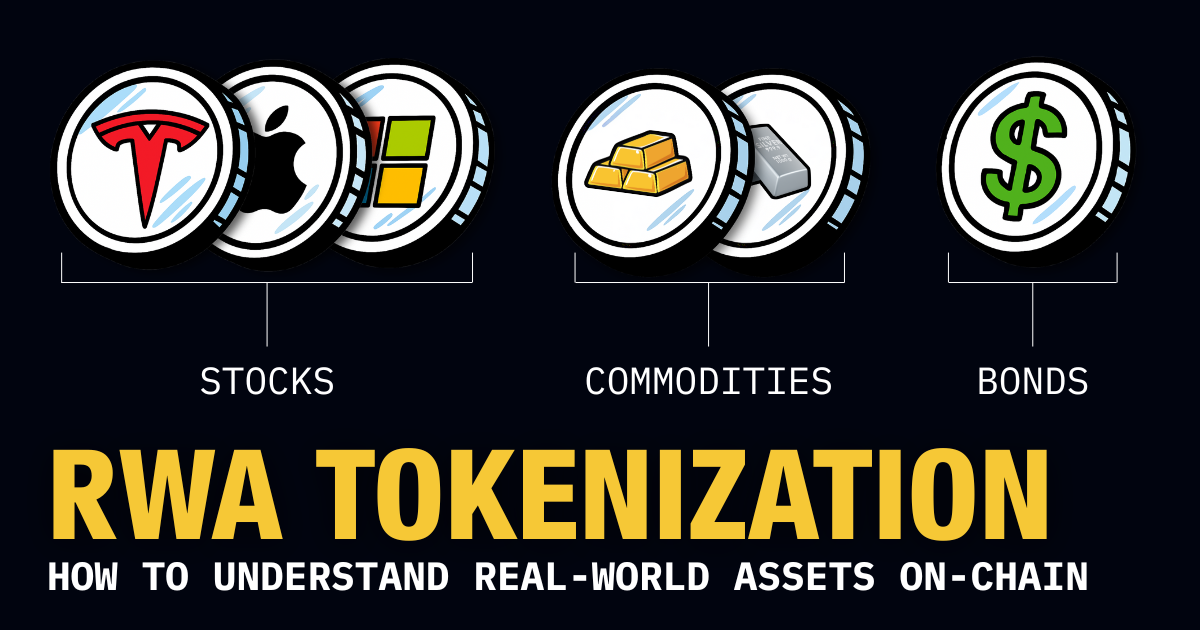
Abu Dhabi is also a trailblazer in innovation when it comes to tokenization. The ADGM is actively developing regulations for tokenized real estate, commodities, and other digital securities. Banks and sovereign funds are already participating on-chain within ADGM’s framework.
CRYPTO IN EUROPE
Europe has made a strong effort towards unified crypto regulation across the 27 EU members with Markets in Crypto Assets Regulation (MiCA), which began to roll out in 2023. Under MiCA, all cryptocurrency exchanges, custodians, and advisories must obtain a license. Any entity that issues a crypto asset must also publish a whitepaper outlining the purpose of the asset, underlying technology, and associated risks. Stablecoin issuers are required to maintain liquid asset reserves, undergo mandatory audits, and submit regular transparency reports. Non-compliance carries large fines and license revocations, as well as personal liability for offending executives. Overall, MiCA is one of the most comprehensive digital asset regulatory frameworks that a major economy has attempted. MiCA brings with it real consumer protections and institutional confidence.
CONCLUSION
While many countries have begun to fully embrace crypto, there currently is no single crypto capital in the world. Different countries are leading in different ways. Countries like India and Nigeria are leading through raw adoption by the general population. The US and Switzerland lead when it comes to institutional weight and innovation. The UAE and Singapore have solidified themselves as leaders in regulatory design and tax efficiency. Europe is the first continent to have created a unified set of rules.
What’s most clear is that the era of cryptocurrency existing in a regulatory gray zone is quickly coming to an end. Many of the world’s countries have regulatory frameworks in place regarding cryptocurrency, and proper enforcement has started to take place. Anyone participating in the crypto industry must become familiar with the digital asset laws of their home countries, or consider moving to a jurisdiction that better suits their crypto needs.

.png)

.jpeg)







.jpg)



.jpeg)







.png)
















.png)


.jpg)









.png)
.png)



.png)


.png)

.png)

.png)


.png)
.png)










.png)
.png)
.png)

.png)




.png)