May 20, 2026
at
7:35 am
EST
MIN READ
Everything We Know About Japan’s National AI-Blockchain Financial System Proposal

Japan’s ruling Liberal Democratic Party (LDP) recently published a comprehensive new policy document titled the "Next-Generation AI/On-chain Financial Concept PT Proposal."
The proposal describes a national strategy to integrate two of the most important technological developments of the last decade: AI and the blockchain. The LDP sees this as a core growth investment area and the proposal suggests a five-year government roadmap to stimulate massive public and private investment into blockchain infrastructure infused with AI.
The rationale behind the proposal is interesting. The LDP wants Japan to avoid relying on foreign payment networks. By establishing domestic "on-chain financial sovereignty" Japan can be protected from currency substitution risks.
Currency substitution refers to a country using another country’s currency instead of or in addition to its own. Japan’s fears around currency substitution are a response to the dominance of dollar-backed stablecoins - the proposal explicitly highlights the dominance of USDC and USDT which now have a combined market cap of 45 trillion yen. Without a digital, liquid yen stablecoin, the fear is that Japanese citizens will switch to using USD stablecoins.
Agentic Commerce
The LDP’s proposal is based on the idea that the economy of the future will be driven by agentic commerce happening on-chain.
In an agentic commerce system, AI agents manage economic decisions autonomously. These agents will handle tasks like corporate inventory management, international shipping logistics, and daily procurement.
The proposal outlines several ways that agentic payments will enter the lives of Japanese citizens in the future. These range from everyday examples such as a household refrigerator tracking family health data and ordering missing nutritional items, to supply chain AI systems that verify the quality and quantity of new parts.
You can read more about how AI agents will execute transactions in our guide to agentic payments.

Proposed Blockchain Architecture
The technological architecture of Japan's vision emphasises asset tokenization and smart contracts. The proposal details several core mechanisms to support this:
Central Bank Integration: The Bank of Japan is urged to accelerate the tokenization of central bank current accounts. This includes developing wholesale Central Bank Digital Currencies (CBDCs). This wholesale CBDC will be used by Japan’s major banks to settle large transactions between themselves quickly and cheaply.
Tokenized Deposits (TD): Traditional, commercial banks will issue Tokenized Deposits. These will handle large-scale B2B transactions that can happen 24/7. These tokenized deposits will allow commercial banks to continue holding deposits and lending money out to grow the economy.
Stablecoins (SC): The Japanese government will clarify the rules for stablecoins. This will allow retail users and small enterprises to use stablecoins for salary payments, tax collection, and corporate investments.
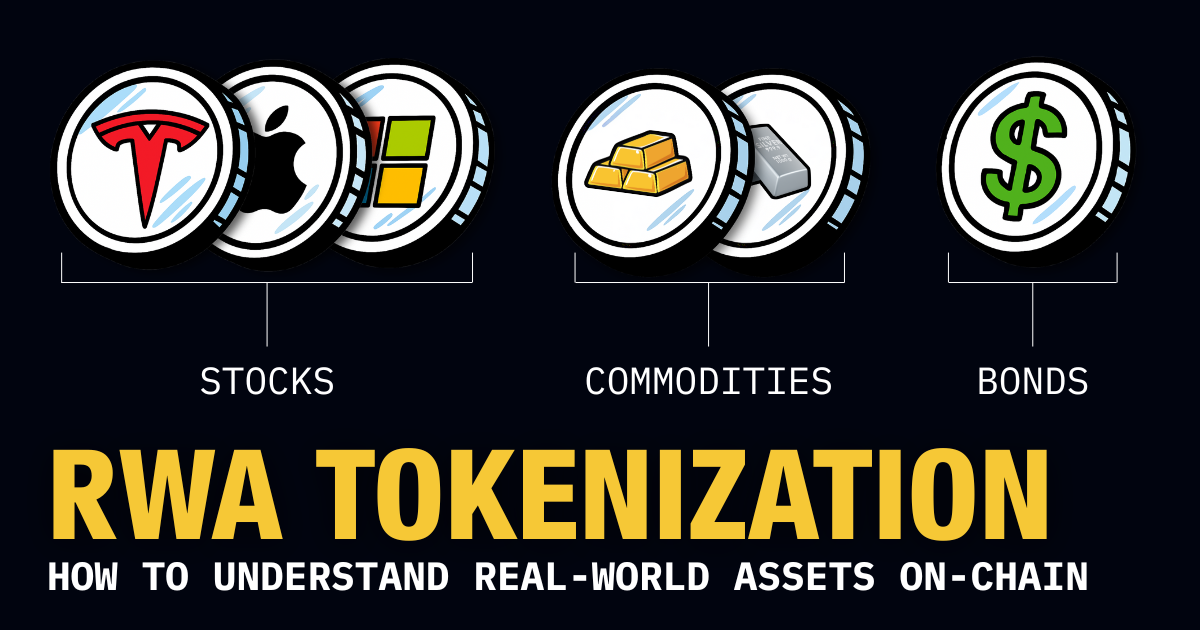
Government Adoption: The public sector will be a power user of this new infrastructure to try and encourage adoption across the economy. The government plans to issue tokenized state bonds and distribute innovative public benefits - like subsidies that can only be spent on child-rearing - via smart contracts, leveraging the programmability of on-chain money.
Implementation and Implications
The LDP will now work to turn this proposal into actionable policy with the Japanese government setting up a five-year roadmap to guide the transition. This will require new stablecoin regulations akin to the GENIUS Act to be passed, and for all of Japan’s banks (Central, major, commercial) to start experimenting.

However, there are many obstacles ahead. The transition will be complex and there will be the high cost of a dual-infrastructure period for institutions. Gaining public trust in AI payments and automated smart contracts will be a big hurdle.
Recent DeFi exploits have shattered confidence in smart contracts and decentralized protocols. A flaw in a widely used smart contract could drain corporate funds instantly. Regulators also face challenges regarding Anti-Money Laundering (AML) and Combating the Financing of Terrorism (CFT). Finally, the LDP proposal explicitly notes the long-term security threat of quantum computing breaking current blockchain cryptography.
Will Japan's Entire Economy Be Visible On-Chain?
A major question for the blockchain intelligence industry is how much of Japan’s economy will be publicly visible. Governments and corporations require privacy for trade secrets, supplier contracts, and sensitive payroll data. It is possible that enterprise adoption will use privacy-preserving technologies like Zero-Knowledge Proofs or permissioned subnetworks to obscure transaction details.
Even so, the macro flow of capital will become trackable. Tokenized state bonds, wholesale CBDCs, and public stablecoin circulation will provide significant visibility. Those armed with the right tools will be able to monitor institutional liquidity, assess systemic risk, and identify the major players in the Japanese economy.

.png)

.jpeg)







.jpg)



.jpeg)









.png)
















.png)


.jpg)










.png)

.png)




.png)


.png)

.png)

.png)


.png)
.png)










.png)
.png)
.png)

.png)





.png)