July 8, 2026
at
6:00 am
EST
MIN READ
A Guide To Blockchain Intelligence

What is Blockchain Intelligence?
While blockchains have long been touted as transparent networks where anyone can view all activity on-chain, the reality is that raw blockchain data is not easily understandable. Millions of transactions are processed on-chain every day, each containing information such as hashes, timestamps, wallet addresses, and encoded logic that is hard for everyday users to read.
The solution to this problem is something called blockchain intelligence. Blockchain intelligence refers to specialized blockchain analytics tools that help break down hard to understand information that exists on blockchains into something users can understand more easily. These tools help users track on-chain transactions, identify the owner of a wallet address, and visualize the on-chain flow of money. These tools are able to assist users in these activities by using a combination of data analytics, clustering, labels, and off-chain data to connect on-chain addresses to off-chain entities such as exchanges, funds, hackers, whales, or large institutions.
Blockchain intelligence has a wide variety of use cases. Some of the more common use cases include trading and market analysis, compliance, Anti-Money Laundering (AML), law enforcement, institutional risk management, and due diligence research. By converting raw blockchain data into easily understood information that can be acted upon, blockchain intelligence tools are able to fulfill the promise of transparency that blockchains offer to their users.
Blockchain Intelligence Tools
The cornerstone of blockchain intelligence tools is the blockchain explorer. Blockchain explorers function by running or connecting to a blockchain node to obtain a full copy of the blockchain, and then indexing this data into an easily searchable format. Blockchain explorers allow users to look up individual blocks on a blockchain, wallet addresses, and transactions. From there, users can view a wallet’s balance, transaction history, and previous interactions with smart contracts. Because different blockchains have different architectures, each blockchain may require its own unique blockchain explorer. Popular examples of blockchain explorers include Ethereum’s Etherscan and Solana’s Solscan.
Dashboards are another important piece in the blockchain intelligence toolset. Dashboards aggregate and visualize on-chain metrics such as wallet balances, token flows, vesting and unlocking activity, staking participation, airdrop claim metrics, and network activity. Dashboards allow blockchain users to compile important data into one place, allowing users to quickly monitor changes and trends in important data without needing to manually look up information each time.
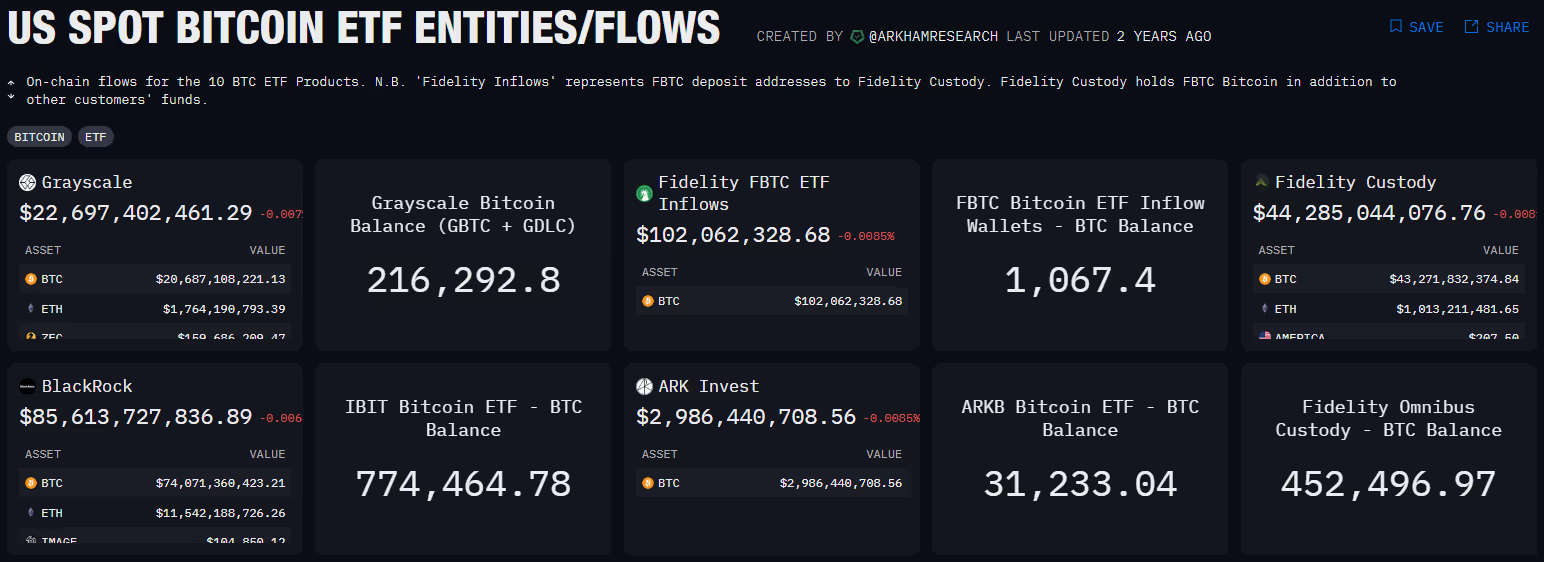
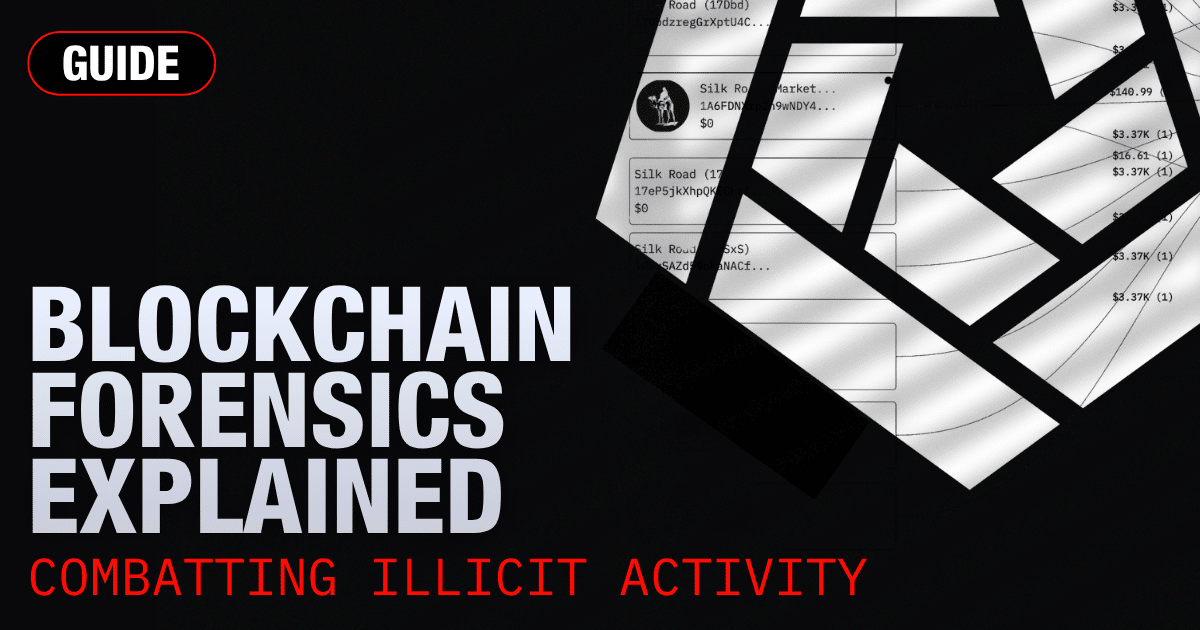
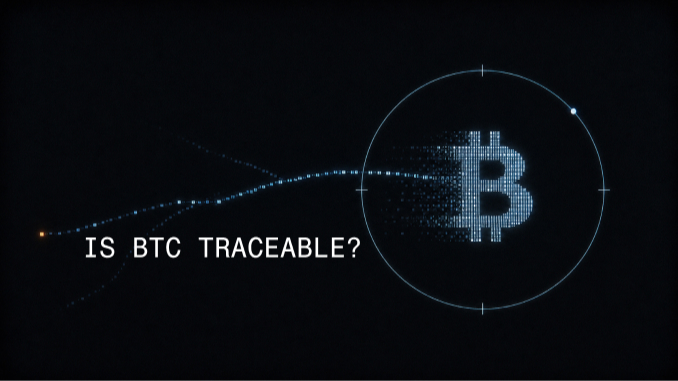
Tracers are blockchain intelligence tools that track the movement of funds across on-chain addresses. Tracers are useful for figuring out where funds originated from, how said funds moved between wallets, and if the funds passed through any exchanges or mixers. Tracers are especially useful for law enforcement and compliance reasons, as they can help users perform investigations, compliance checks, and on-chain forensic analysis.
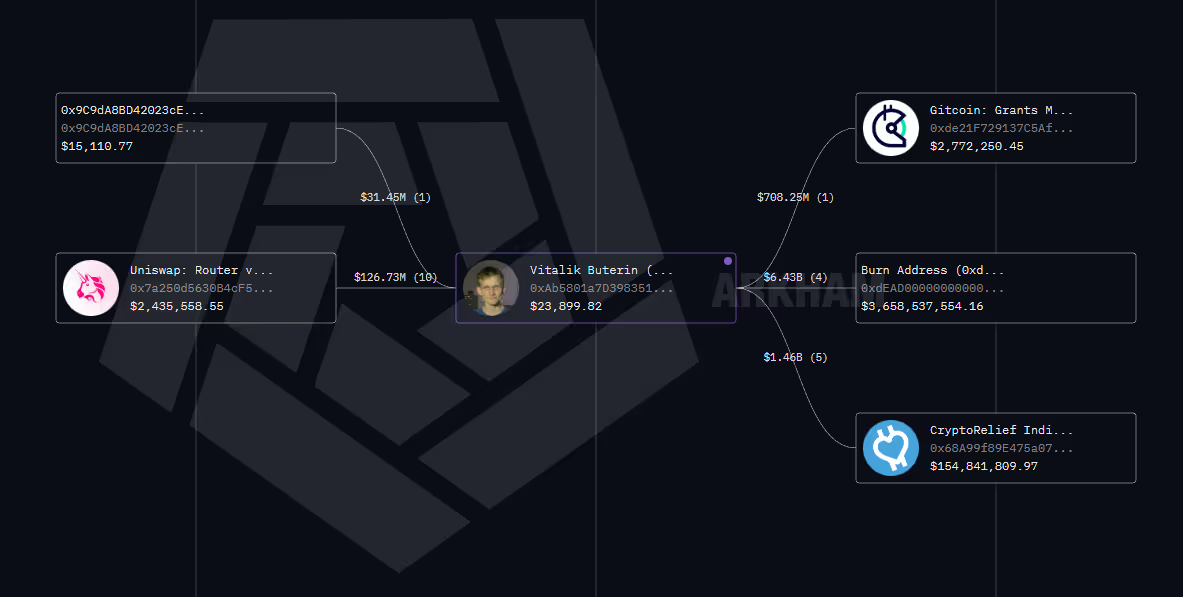
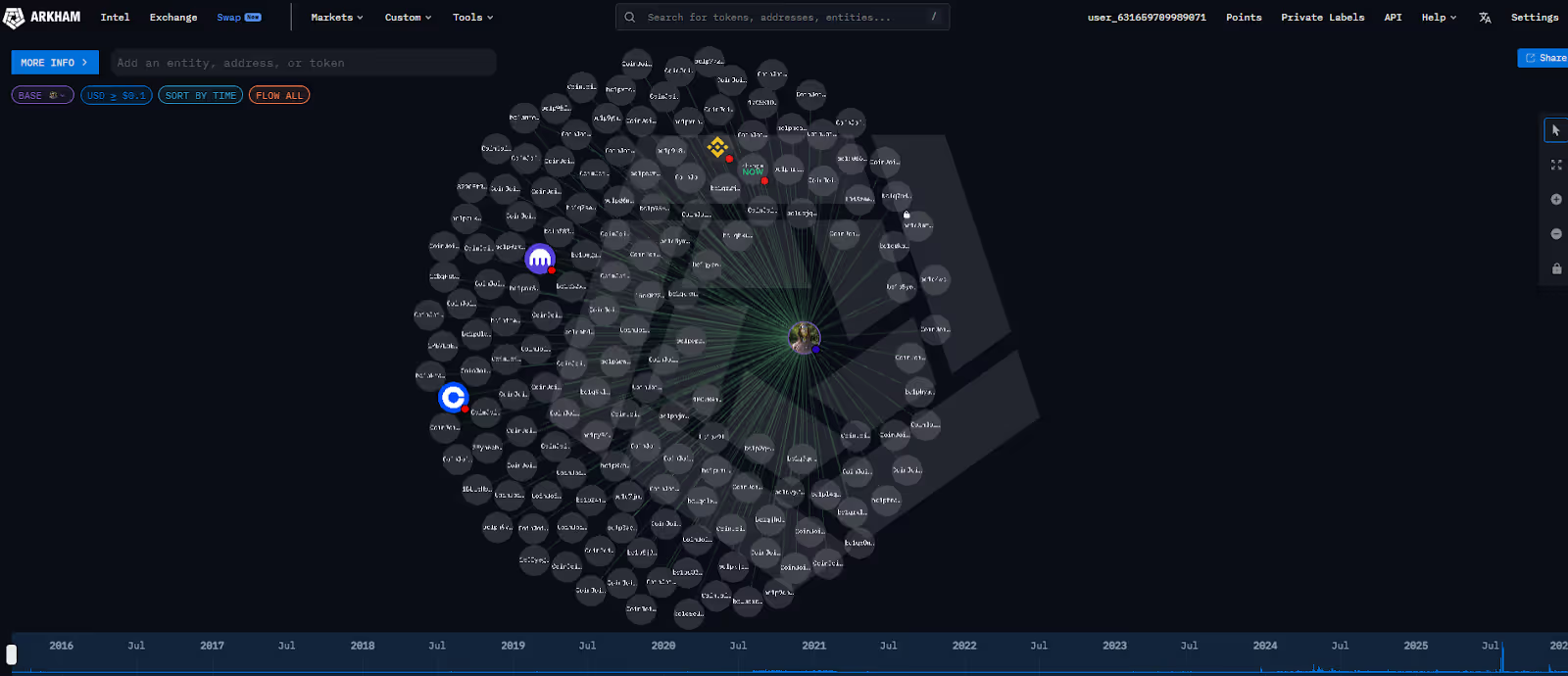
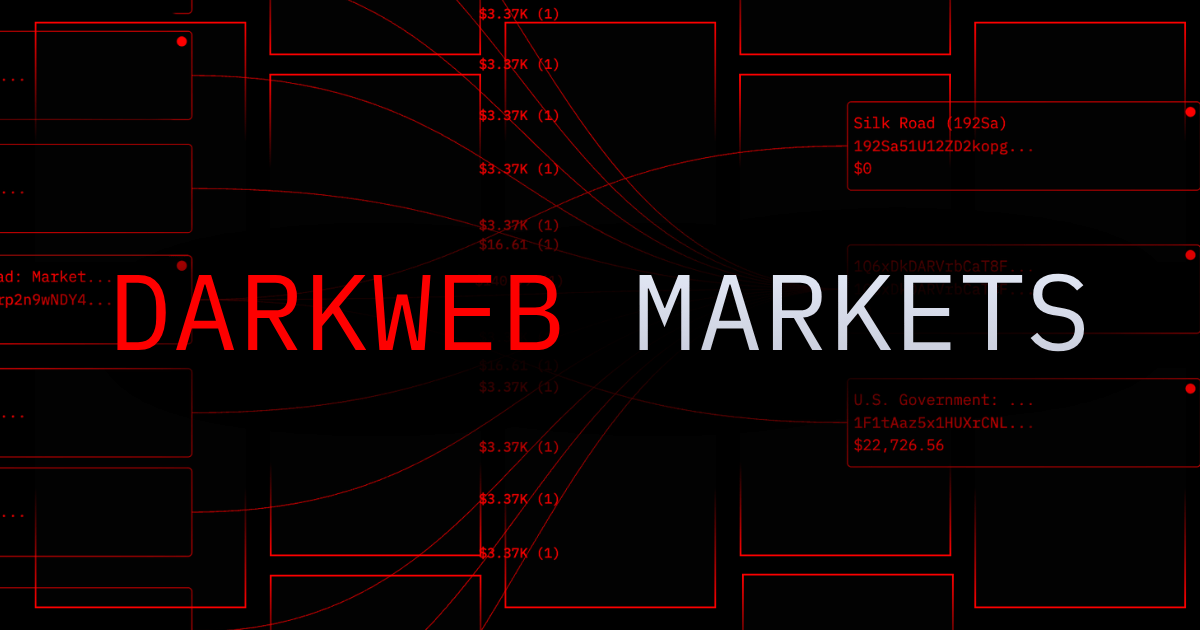
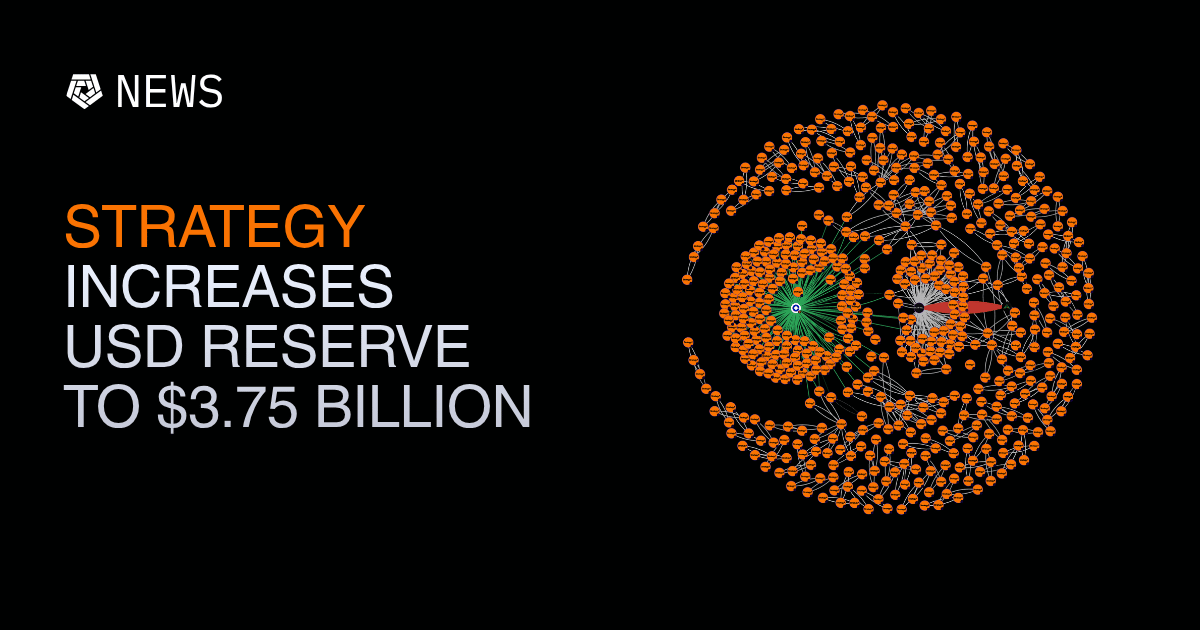
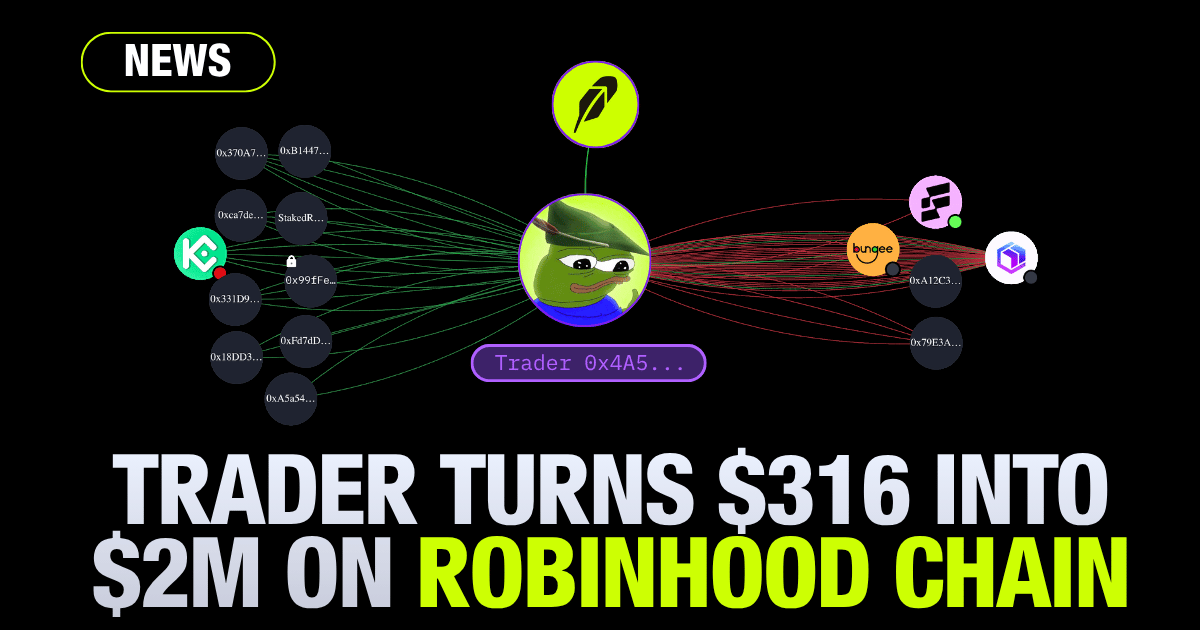
Visualizers are blockchain intelligence tools that helps users understand wallet activity better by showing transactions as a visual map. On a visualizer, each individual wallet appears as a dot. Transactions between wallets are displayed as lines connecting the dots. This makes it much easier for users to understand the movement of money across a chain, as users can just follow the lines to see where the money is going. For additional clarity, the lines can be labeled with the tokens being transferred between wallets and the value of said tokens. Visualizers also make it much easier to see how wallets are connected in a cluster.
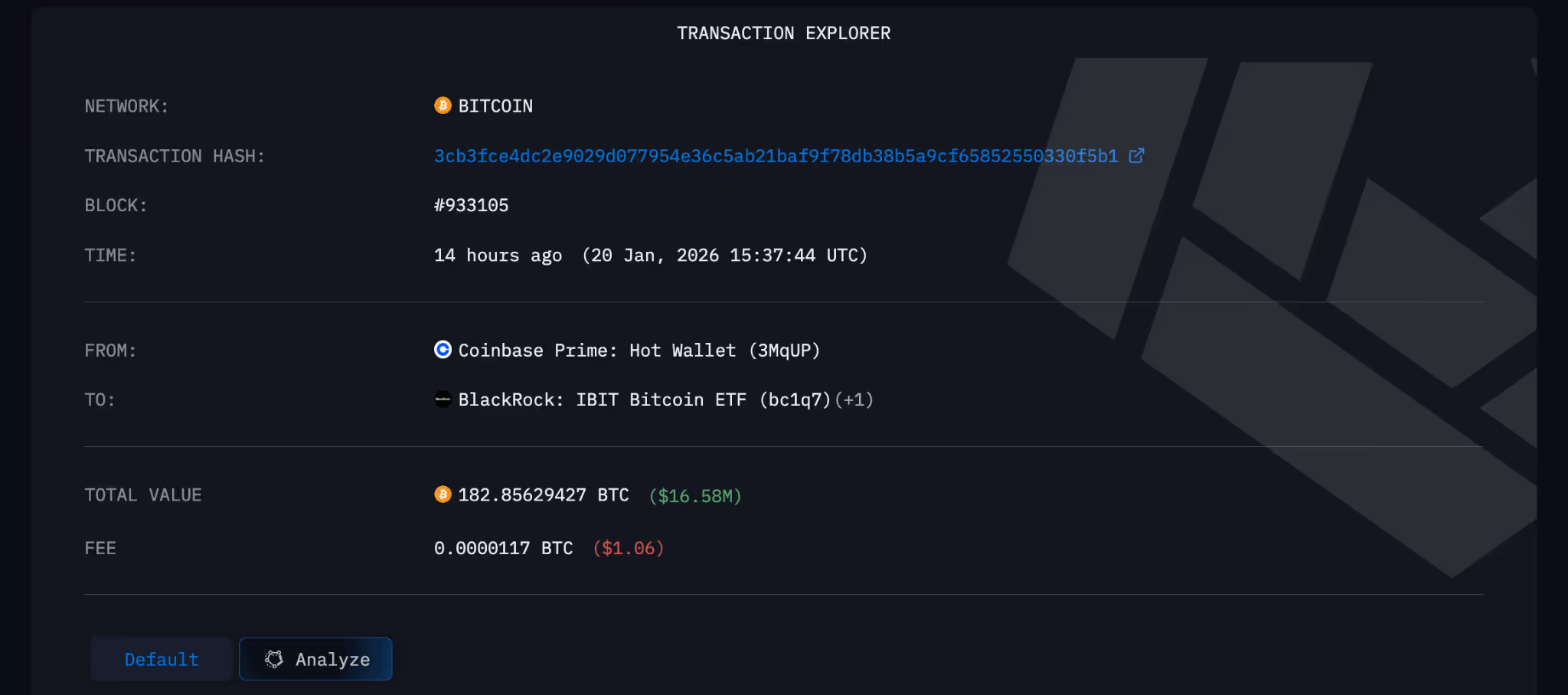
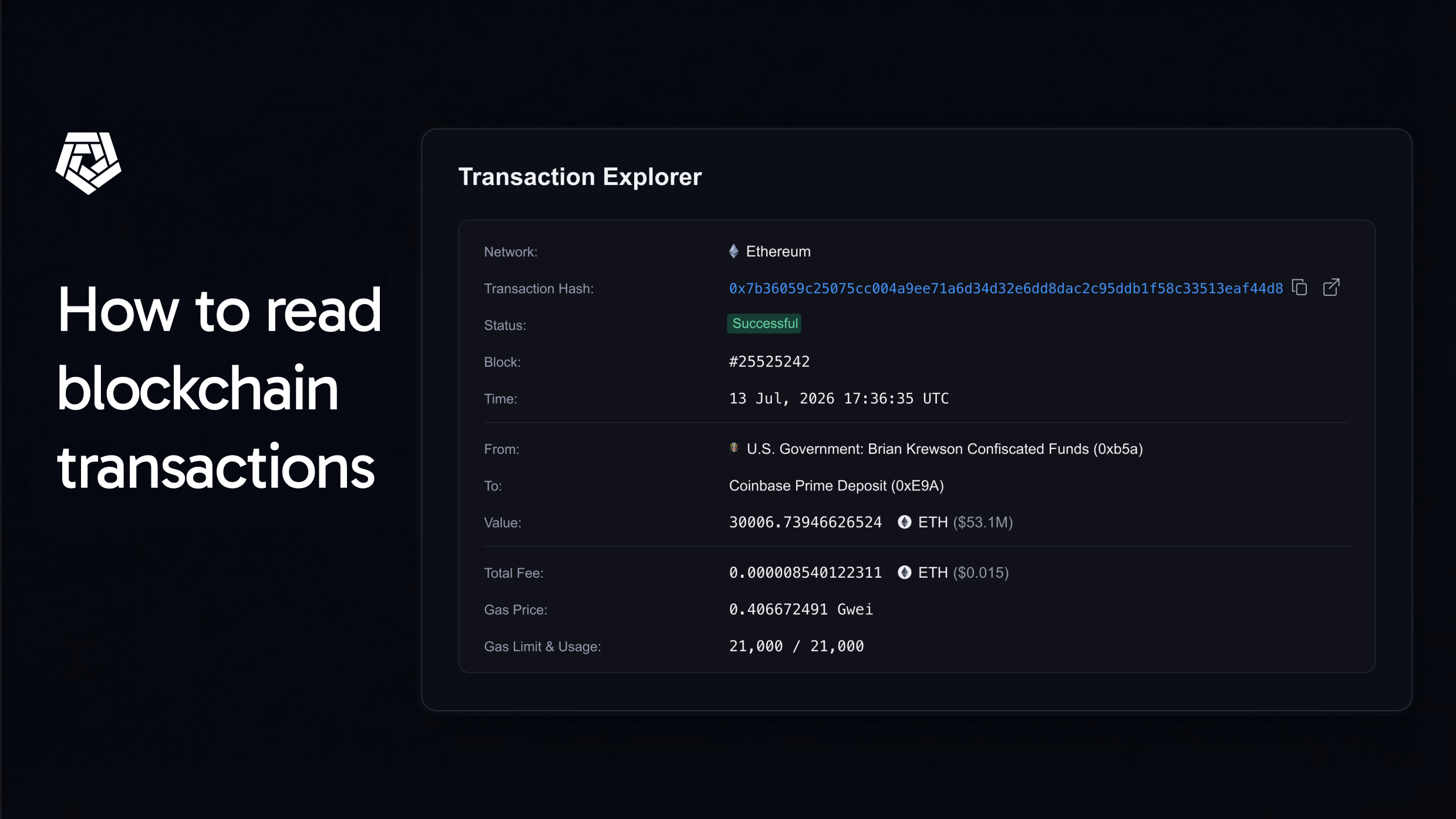
Transaction IDs (TXIDs) refer to the unique ID that every single transaction on a blockchain receives. They are similar in concept to a receipt number. By entering a transaction ID into a blockchain explorer, users can find out more information about the transaction the ID is associated with. Users can see exactly when the transaction occurred, fees paid to process the transaction, what funds were transferred (if any), and what other wallets or contracts were involved in the transaction.
Use Cases
Because of the wide amount of features that they offer, blockchain intelligence tools have a variety of use cases.
In trading and market research, blockchain intelligence tools allow users to analyze how funds are moving on-chain in real time. Monitoring this activity can be a profitable endeavor for these users. For example, when large amounts of a token get transferred to an exchange, this suggests that holders are looking to sell off their holdings. The same is true the other way around – if large withdrawals from exchanges are occurring, this signifies that entities have accumulated a significant position and are looking to hold for the long term. By watching for activity like this, traders can gain an edge over the market that charts alone might not be able to provide.
Law enforcement agencies also rely heavily on blockchain intelligence tools to perform their duties. Because every single transaction that occurs on the blockchain is permanently recorded on-chain, investigators can always track the movement of illegitimate funds between wallets on-chain. No matter how many wallets illicit money might pass through, law enforcement investigators can follow the transactions to see where the money ends up and connect the money to known real-world entities.
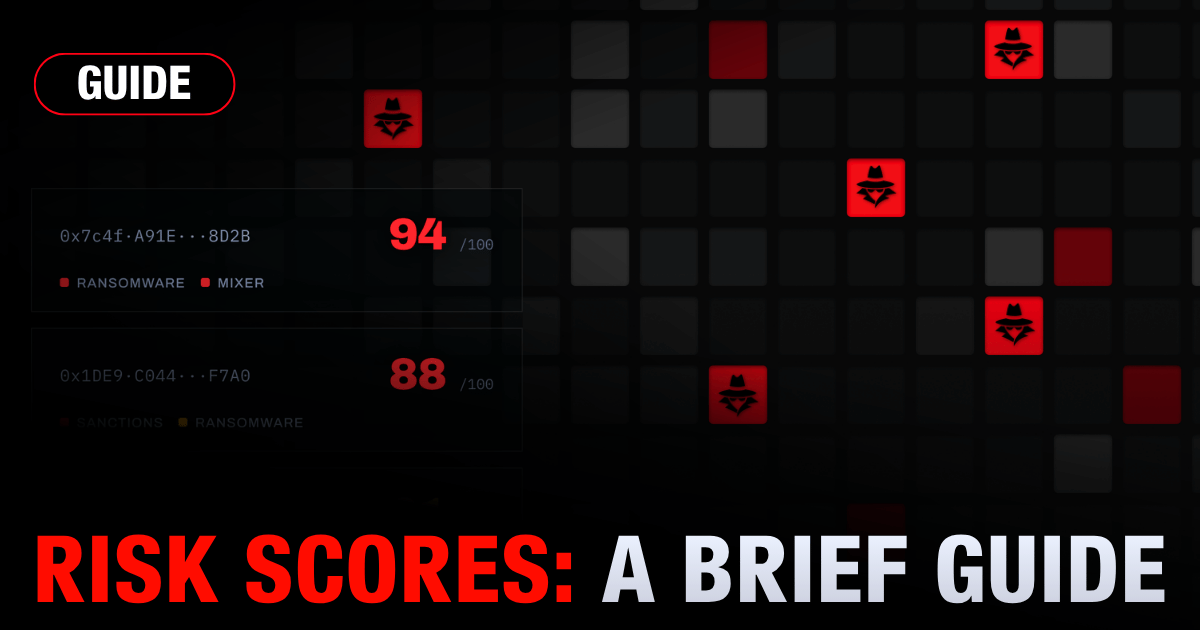
Regulated crypto businesses and their compliance teams also rely on blockchain intelligence tools to help meet legal and regulatory compliance. In order for these businesses to remain compliant, they must ensure that they are not doing business with funds or wallets that have interacted with high-risk or sanctioned addresses. This helps these businesses reduce potential exposure to illegal on-chain activity and ensures that they are operating according to law. Failure to do so puts the business and overall crypto industry at risk.
Understanding Raw Blockchain Data
Raw blockchain data is the unprocessed information that can be found on blockchains. As mentioned previously, this data is not very easy for humans to read and understand in its natural state. While this data is accessible to everyone as is, many rely on blockchain intelligence tools to turn this raw data into something easier to understand.
At a basic level, raw blockchain data includes information such as wallet addresses, transaction IDs, and smart contract interactions. Blockchain intelligence tools help make this data understandable by organizing and translating it into something that humans can more easily read. The data is collected and organized into ways that make it easier to search. Smart contract activity is simplified so that technical activities like token swaps and transfers can be easily spotted and understood. Related wallets are grouped together into clusters based on previous transaction history, and known entities are labelled as such. Lastly, all data is displayed in visually clear formats such as charts, graphs, and visual maps. This further enables users to quickly understand activity that would be harder to decipher from raw data.
Examples of Blockchain Intelligence Using Arkham
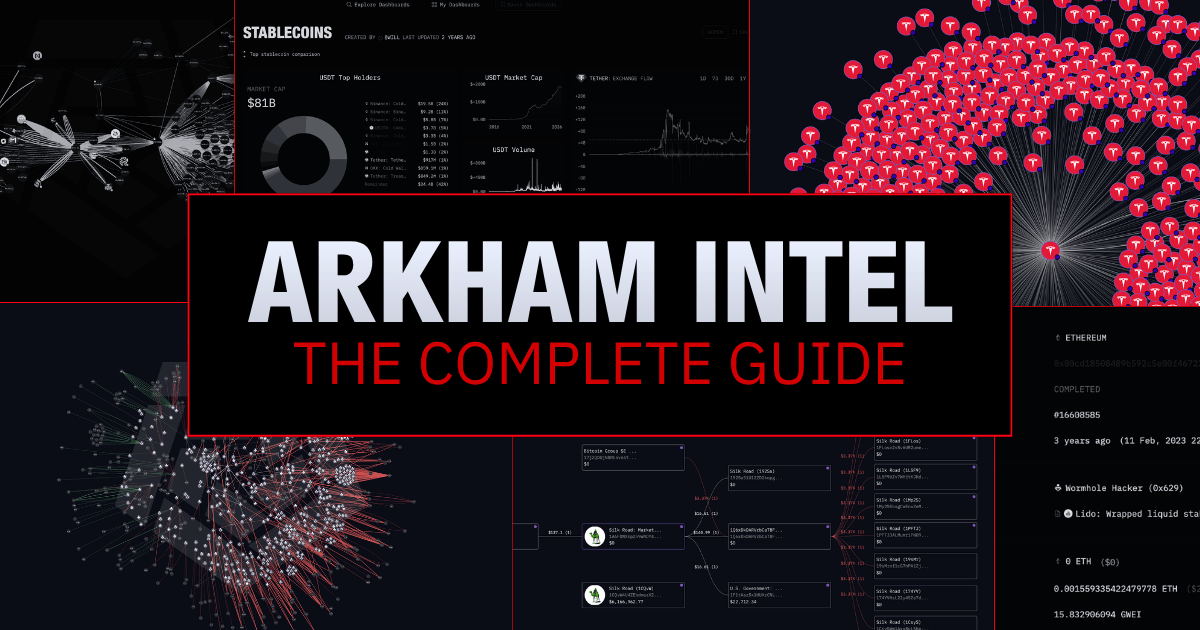
Arkham is a comprehensive blockchain intelligence platform designed to make understanding blockchain activity easier for its users. Arkham offers all of the blockchain intelligence tools that this article has covered within its platform. Arkham allows users to search for wallet addresses or known entities that it has labelled on-chain, and view balances and transaction history of these wallets. The platform also helps users identify where funds originated from and where they’ve gone, letting users follow the flow of funds across the blockchain in an easy-to-understand manner.
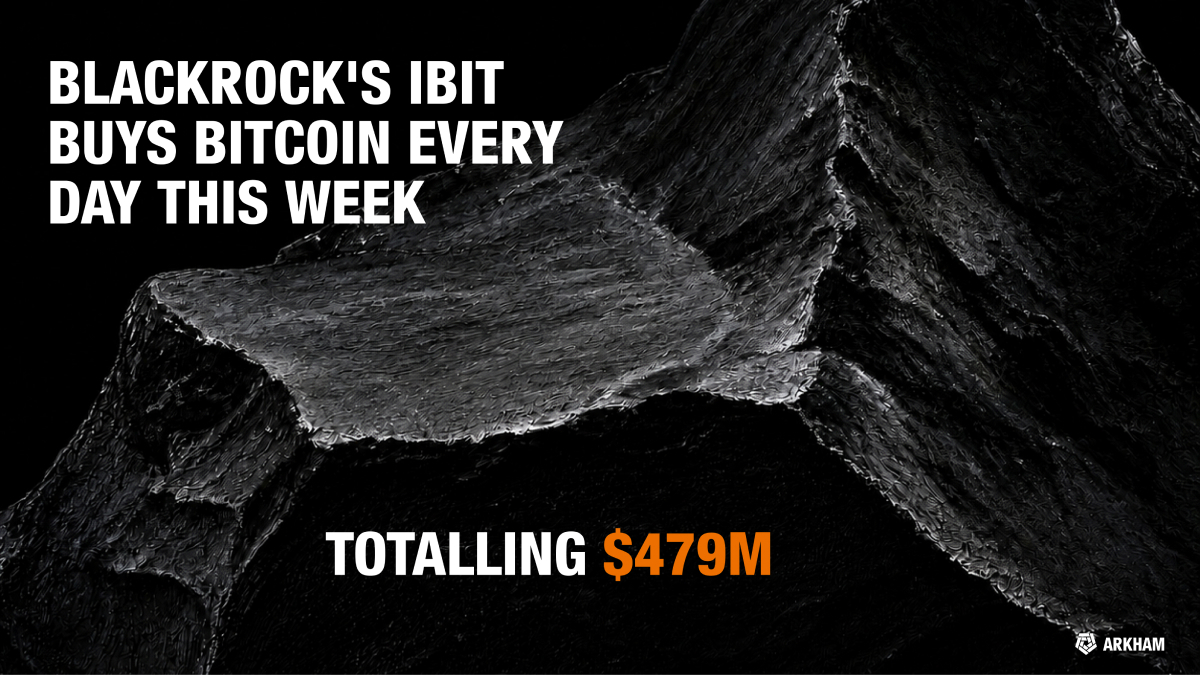
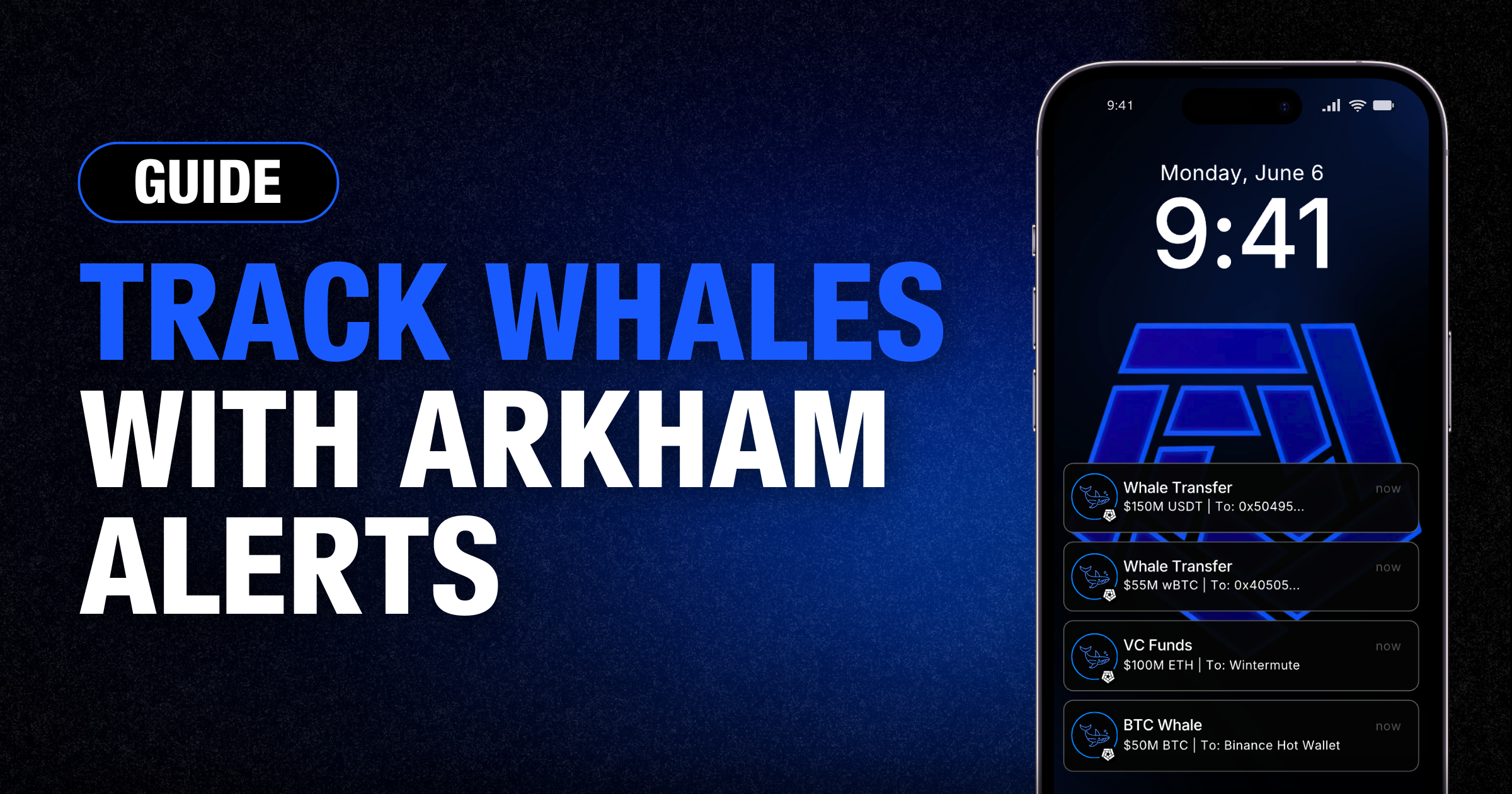
Arkham has been at the forefront of tracking on-chain activity of big names in the cryptocurrency space, such as BlackRock, Tether, and MicroStrategy. The Arkham X account regularly posts updates on big moves on-chain by big names in the space as soon as they occur. Updates include large buys, transfers, stablecoin mints, and liquidations. Users can log in to the Arkham platform and see these on-chain moves in the platform for themselves.
Conclusion
Blockchain intelligence tools transform raw hard-to-understand blockchain data into clear information that users can make decisions upon. While blockchains are transparent by nature and anyone can access the data on them, the reality is that the vast majority of users are unable to decipher the complex data on their own. Blockchain intelligence tools democratize access to the insights that this data offers, helping fulfill the promise of financial transparency that blockchains uniquely offer.
As the cryptocurrency industry continues to mature and evolve, further integration with the traditional finance world is inevitable. Blockchain intelligence tools will be essential to improving transparency, maintaining compliance, assisting law enforcement, and empowering users to understand what occurs on-chain as the space continues to grow. By doing so, incoming waves of crypto users can confidently place their trust in blockchain ecosystems.

.png)







.jpeg)

.png)









.png)







.jpg)

.jpeg)





.png)
.jpg)

.png)
.png)

.png)

.png)
.png)
.png)
.png)
.png)





.png)