January 16, 2026
at
11:20 am
EST
MIN READ
What Bitmine’s Record Staking Milestone Means For Ethereum
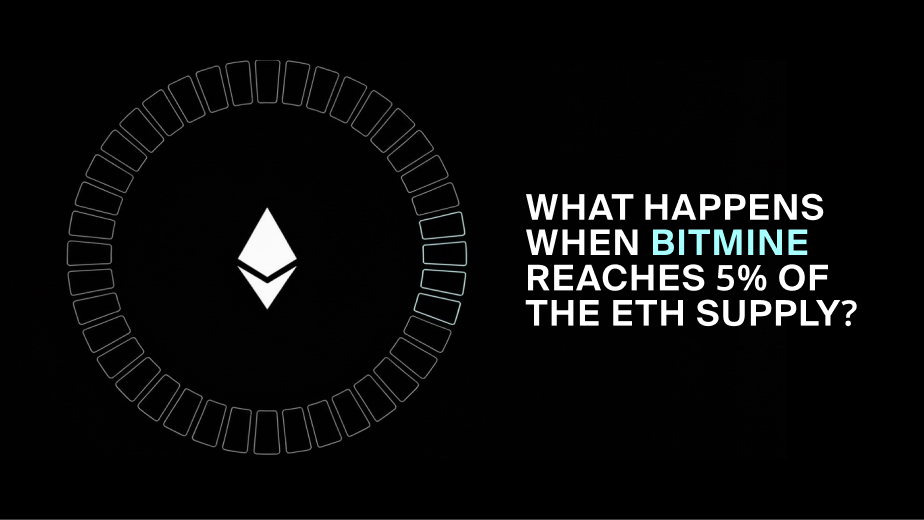
Bitmine, led by perma-bull Tom Lee, recently added 154k tokens to its staked ETH stack. This means Bitmine currently has $5.6 billion worth of ETH generating yield.
Staking is a fundamental feature of Proof-of-Stake blockchains (like Ethereum) where validators lock up their ETH tokens to validate the network. In return, stakers generate rewards in a similar way to generating interest.
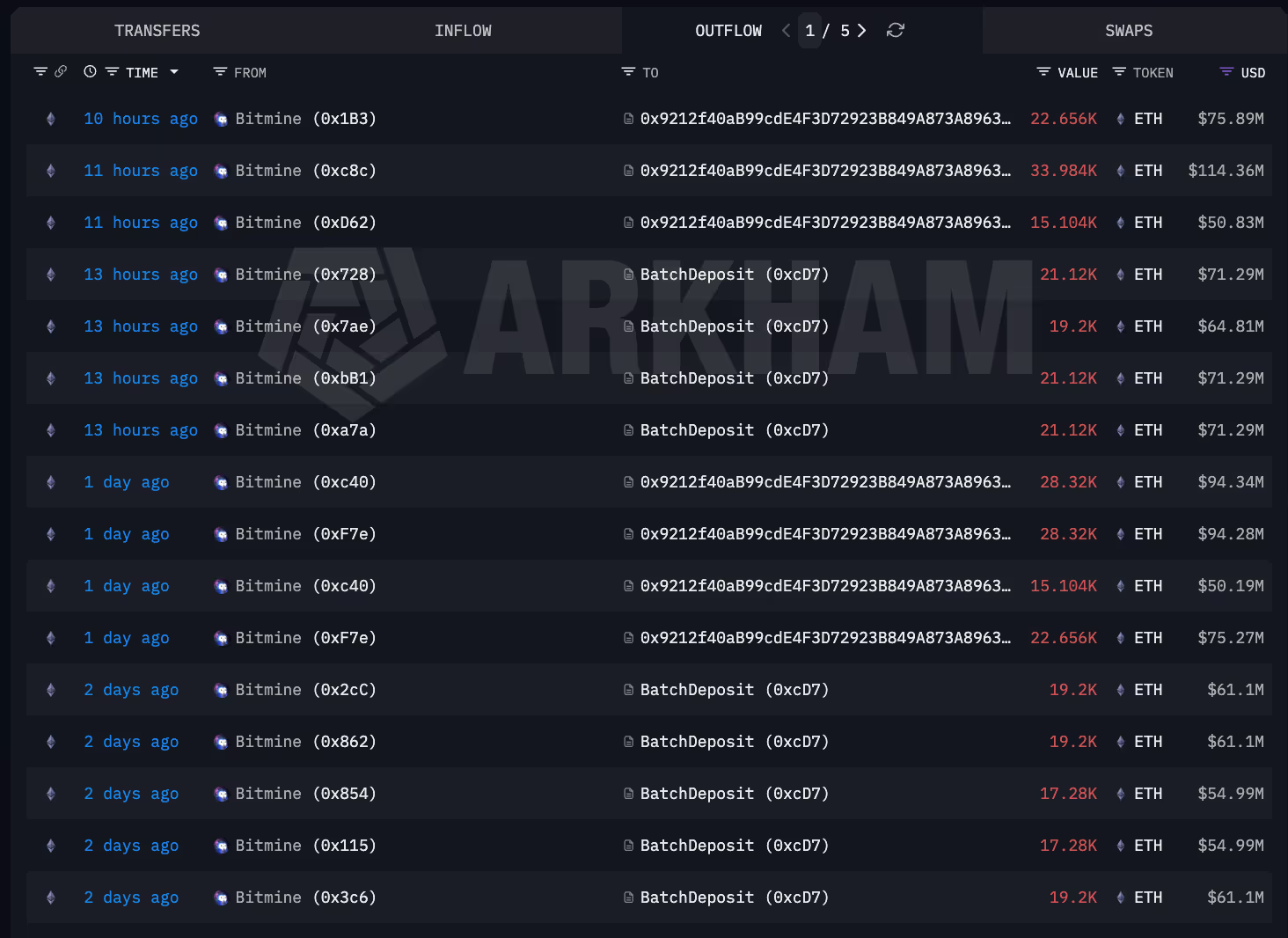
With nearly 1.7 million tokens staked, Bitmine’s staked ETH tokens represent more than 1% of the total Ethereum supply. Assuming a conservative estimate of 2.8% APY, this equates to $157 million a year. An optimistic APY of 3.5% equates to $196 million a year.
Bitmine could be generating anywhere from $430k to $537k a day through this staked Ethereum model.
Bitmine is not the only entity that is staking its Ethereum in search of validator rewards. The Ethereum network recently hit an all-time-high for staked ETH supply, at 29.57%. Furthermore, the validator exit queue – ETH holders wanting to unstake their tokens – has dropped to zero as institutional stakers returned.
A declining validator exit queue and a swelling entry queue is a sign that ETH holders are locking capital in for a longer period of time. The price of ETH is up over 10% so far this year.
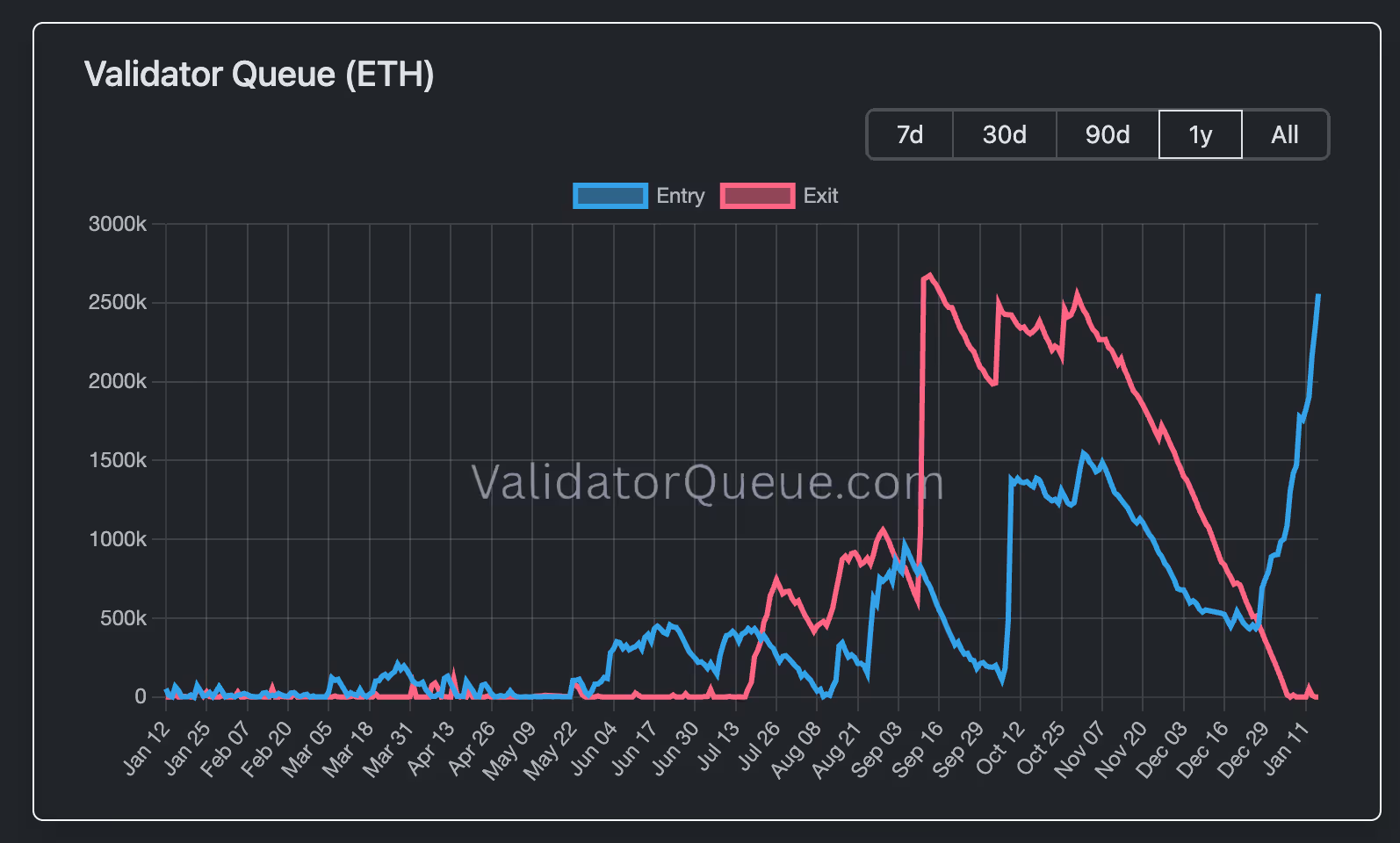
The effect of this on Ethereum is that supply is significantly tightened. 30% of all ETH tokens are now significantly more immobile, subject to validator exit queues and withdrawal limits. This tightened supply can make price swings more volatile in either direction.
Another effect on Ethereum is that as the percentage of Ethereum supply that is staked rises, the APY of staking rewards must decline. Tom Lee’s institutional staking model – if it works the way he hopes it will – could lead to a wave of companies following suit.
Over time, as the APY decreases, this could push retail investors out of staked Ethereum and towards different yield-bearing digital assets.

.png)





.png)










.jpeg)




.jpg)



.jpeg)




















.png)

.jpg)





.png)

.png)




.png)

.png)
.png)
.png)


.png)
.png)









.png)
.png)
.png)

.png)