February 4, 2026
at
9:10 am
EST
MIN READ
DEX 101: How To Track and Swap Assets Seamlessly On-Chain
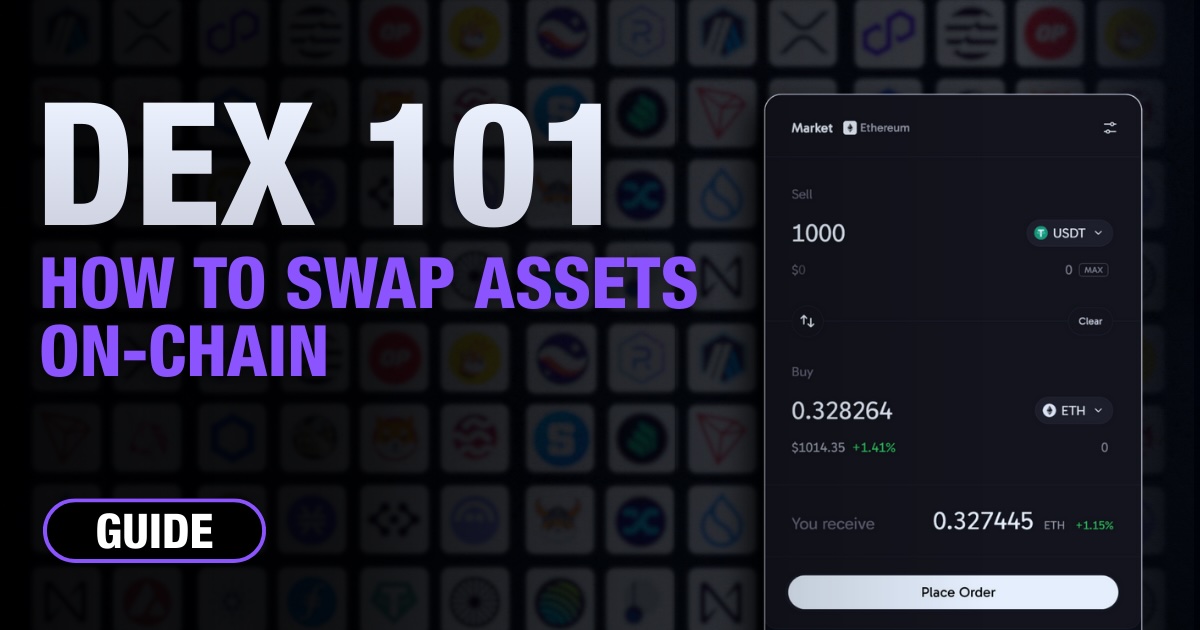
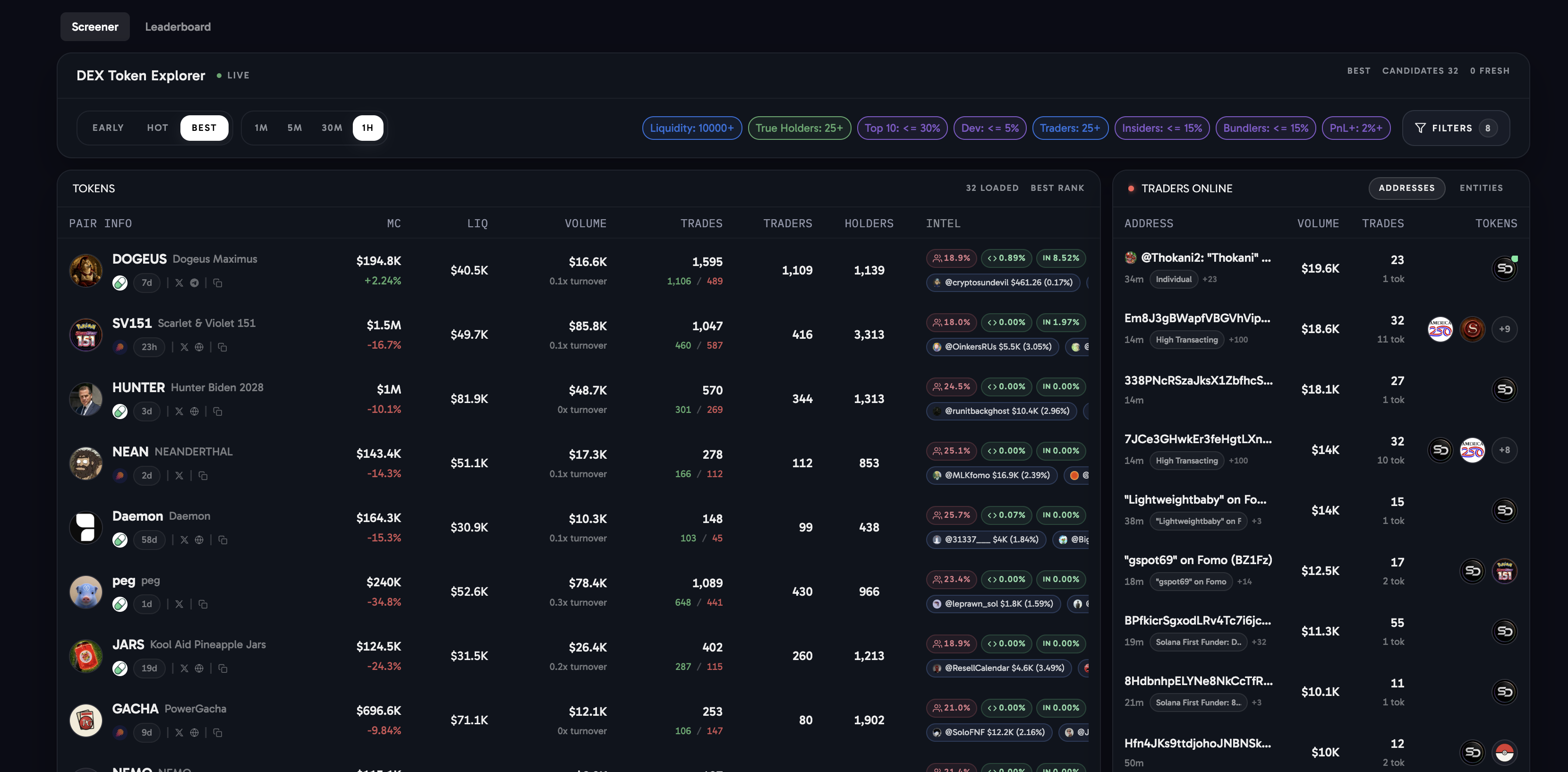
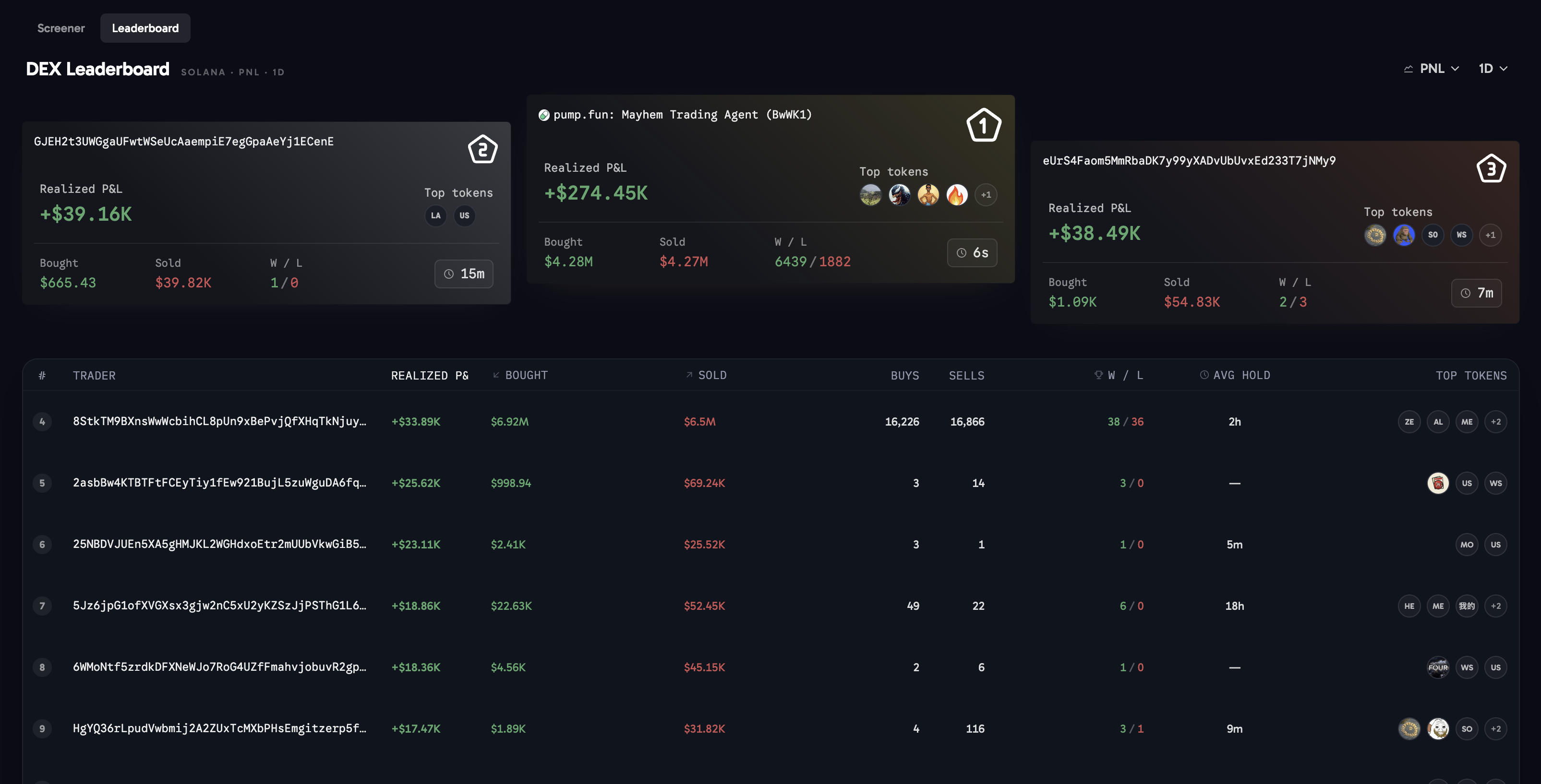
Arkham DEX is live and built directly into Arkham Intel. While other DEXs merely provide the infrastructure to swap tokens, Arkham DEX equips you with the real-time blockchain data necessary to stay safe and gain an edge in the wild west of crypto and memecoins.
To start trading, create an account with Arkham and then send funds (SOL, USDC, USD1) to the Solana address that will appear in the top right-hand of the page when you are signed in.
In this guide, we explain what a DEX is, how they differ from CEXs, and how to use on-chain intelligence to avoid scams and more effectively trade crypto.
What is a DEX?
A Decentralised Exchange (DEX) is a peer-to-peer marketplace where users trade crypto assets directly with each other. Transactions are facilitated by smart contracts (code) rather than by a financial intermediary like a bank or centralised exchange. Smart contracts self-execute on the blockchain when certain conditions are met, removing the need for a middleman to ensure the transactions are trustworthy. DEXs enable permissionless trading, meaning anyone with a crypto wallet can participate without needing approval or a KYC'd account.
How do DEXs work?
Modern DEXs use an Automated Market Maker (AMM) model. This means that users are not matched up directly with other users during a swap. Instead, users trade against a liquidity pool.
A liquidity pool is essentially a basket of a specific token locked in a smart contract. Users act as Liquidity Providers (LPs) by depositing their funds into these pools. The price of each asset being traded is determined mathematically based on a ratio of the two tokens in the liquidity pool.
In short, when a user wants to trade, they swap one token for another token using the AMM, with prices determined by the pool's algorithm.
How is a DEX different from a CEX?
The real difference between a DEX and a CEX lies in custody and execution. Centralised exchanges (CEXs) act like banks; you deposit funds with them, and they manage the keys to your crypto on your behalf. They also typically match trades using a Central Limit Order Book (CLOB), an off-chain engine that records all buy and sell orders. While this offers high speed, if a CEX goes bankrupt, you may lose your assets. CEXs generally require users to complete KYC.
DEXs, on the other hand, are non-custodial and operate differently. Instead of the Central Limit Order Book used by CEXs, most DEXs rely on Automated Market Makers (AMMs), where users trade against a pool of tokens rather than other users. Users control their own digital assets by connecting their Web3 personal wallet – like MetaMask or Phantom. No ID is required, offering more privacy than a CEX. However, all transactions are visible on-chain.
How to do on-chain analysis of a token?
Before swapping on a DEX, users should verify the token’s safety and tokenomics using on-chain data. Anyone can list a token on a DEX, and there are thousands of “scam” tokens out there.
- Open the Arkham Intel Platform: Using the search bar, search for the coin (e.g. $HAWKTUAH). You can also paste a contract address into the search bar to find an exact token.
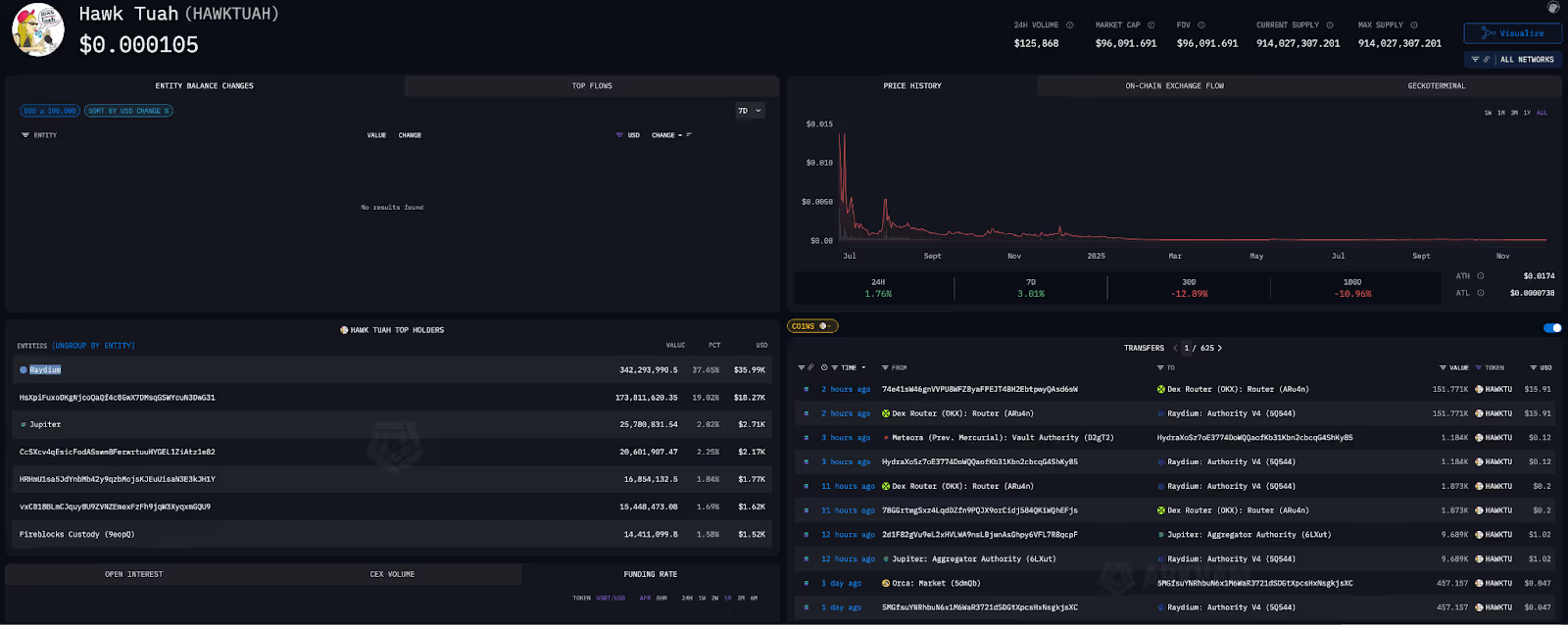
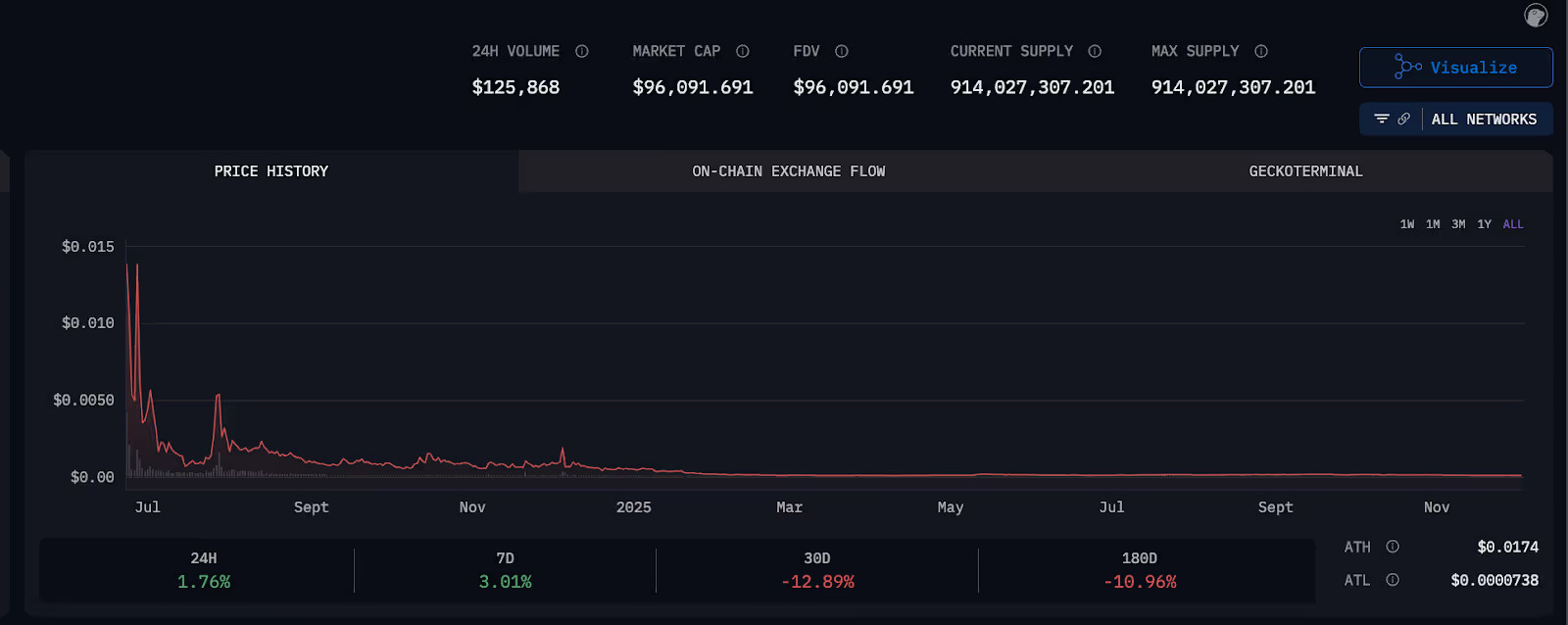
- Check the coin’s tokenomics: Volume, market cap, FDV, current supply and max supply are all useful metrics to be aware of. Read our full guide to Tokenomics here.
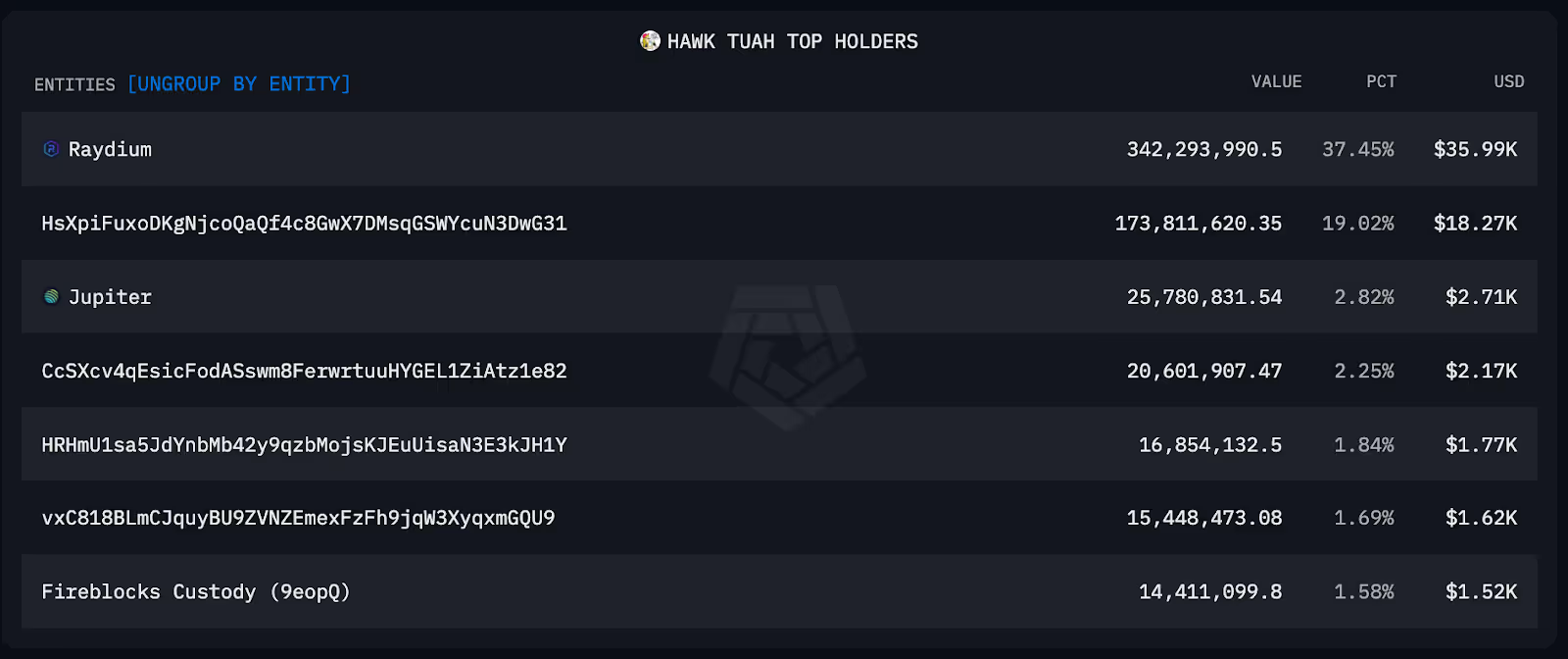
- Check the coin’s top holders: Look out for who controls the supply of the token. If a small number of addresses holds most of the supply, it is a red flag. Beware of a rug pull.
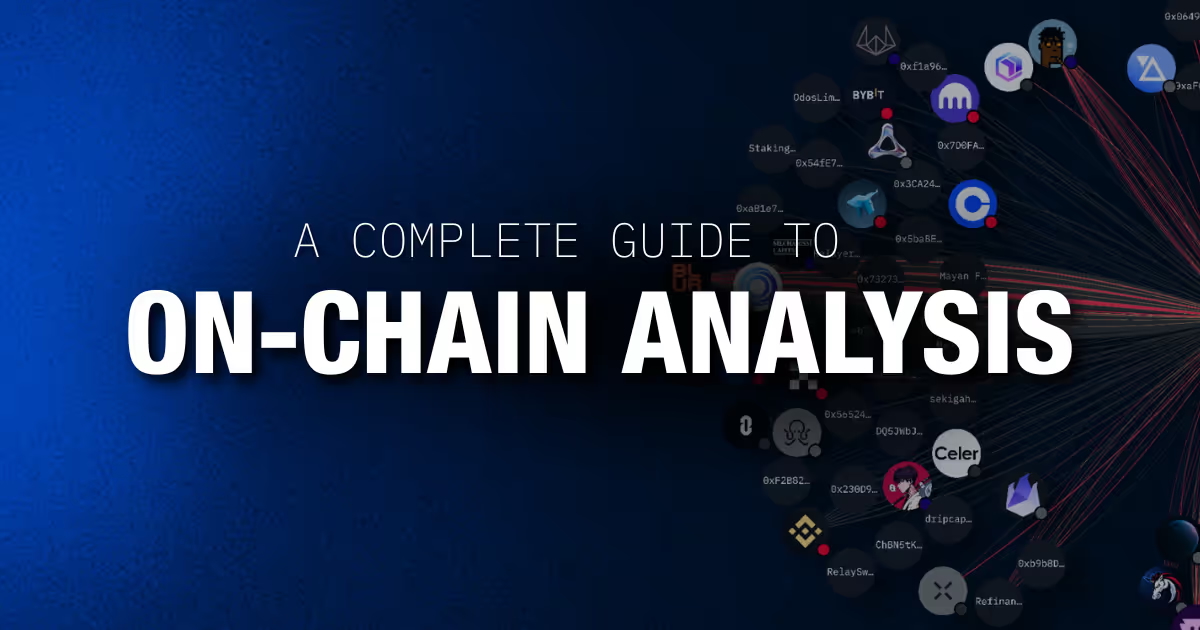
There are considerable risks to trading on a DEX, especially for people who are new to crypto. For a full guide to on-chain analytics, read our analysis here. Sign up to Arkham using the button below to gain access to an industry-leading blockchain analytics tool.

.png)




.png)







.jpeg)



.jpg)
.jpeg)






.png)

.jpg)

.png)
.png)


.png)

.png)
.png)
.png)

.png)
.png)


.png)
.png)
.png)
.png)