February 27, 2026
at
2:10 am
EST
MIN READ
What Is The A7A5 Ruble Stablecoin Linked To A Growing Shadow Economy?
A7A5 is a stablecoin that was launched by crypto company A7 in 2024. A7 is 49%-owned by Russian state-owned bank Promsvyazbank. Promsvyazbank primarily serves the Russian defence sector and is sanctioned by western nations.
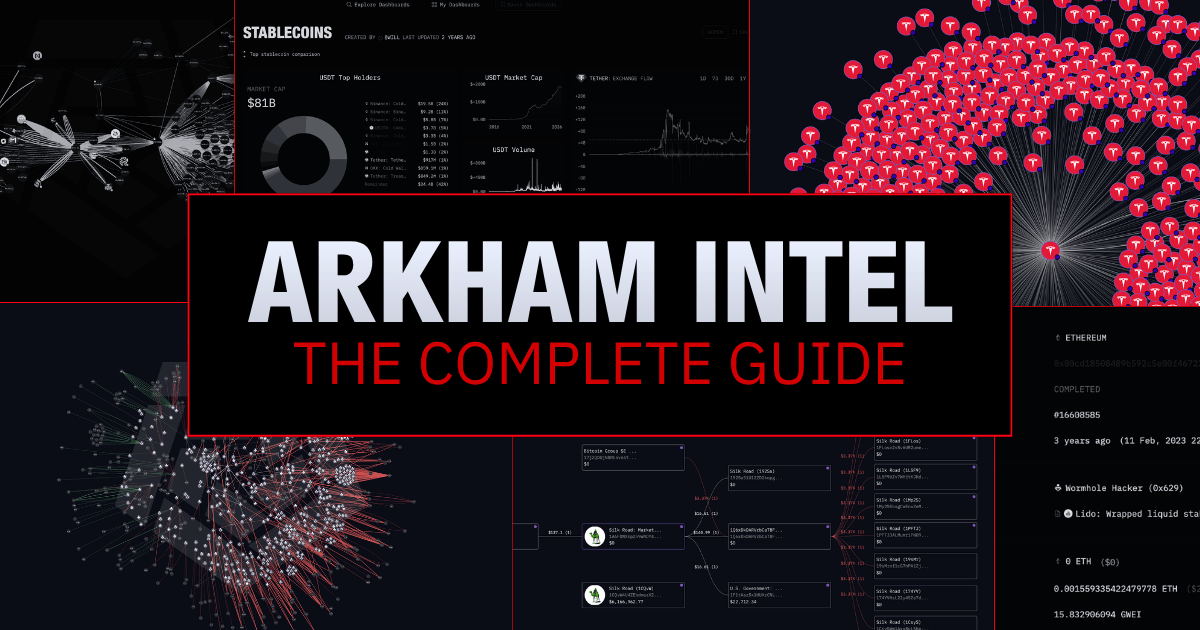
A7 launched A7A5 – which is trackable on the Arkham Intel Platform – in February 2025. Since then, the Ruble-pegged stablecoin has been used to evade western sanctions, and its use is growing day-by-day. Some transactions are valued at over $100 million.
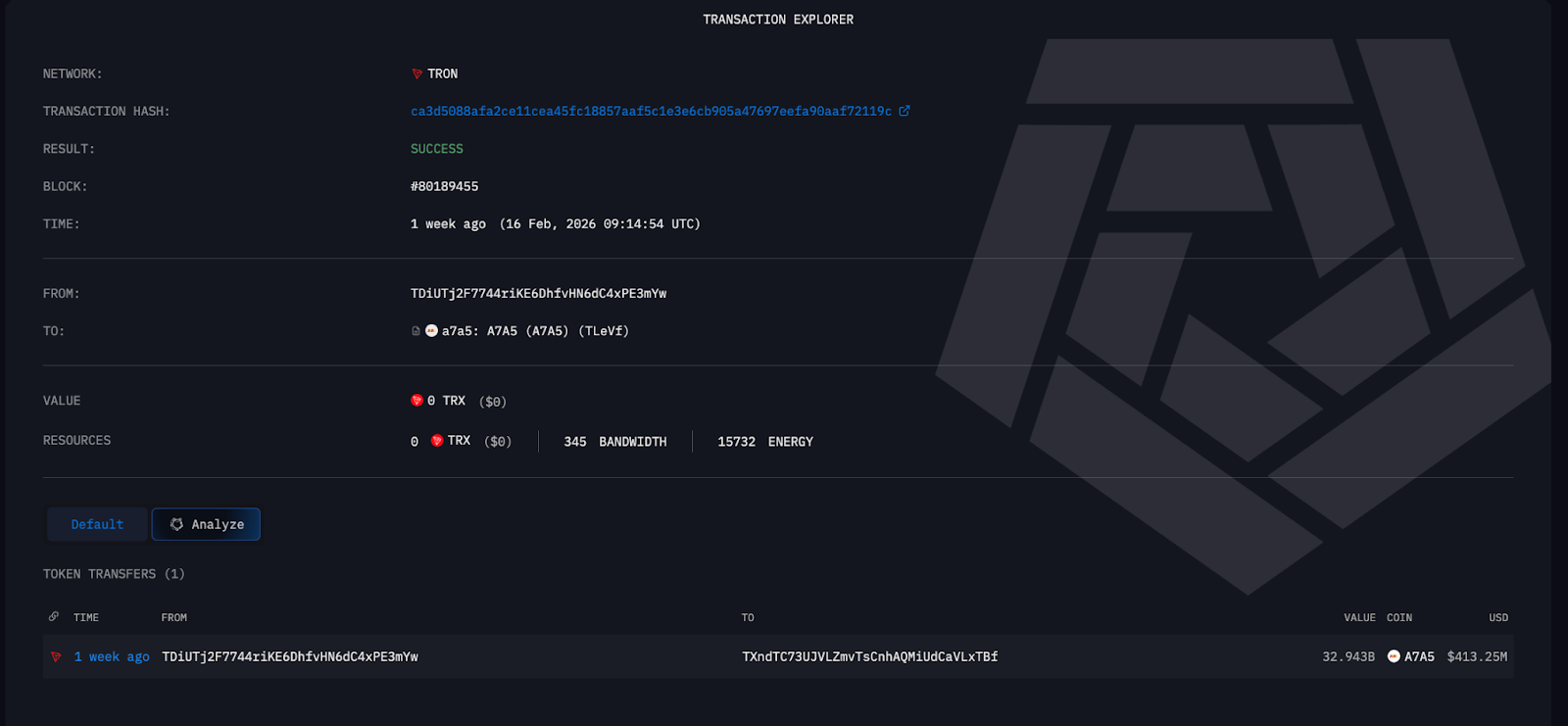
The transaction in the screenshot has a value of over $400 million. You can access the transaction information here.
According to Arkham data, there are currently over 39 billion A7A5 tokens in circulation (39 billion rubles). This equates to 510 million USD. This means A7A5 is the 20th-largest stablecoin by market cap.
A7A5 operates on the Ethereum and Tron blockchains but data from Arkham shows that 99% of A7A5 is held on Tron.
You can see the top holders of A7A5 in the interactive window below. Clicking on an address will take you to the Arkham Intel Platform to investigate further.
Why A7A5 Is So Popular?
Since Russia invaded Ukraine, Russia has been locked out of many of the usual payment rails by western nations.
Mastercard and Visa suspended operations for cards issued in Russia, whilst foreign-issed cards stopped functioning. Furthermore, SWIFT – the Belgium-based cooperative that facilitates secure international payments – limited the abilities of Russian-based companies to do business abroad.
(Read our full report into payment rails, SWIFT, and the rise of stablecoin payment systems here.)
A7A5 is one of Russia’s answers to western sanctions, and in 2025 it grew fast from 11 billion tokens to the 39 billion tokens currently circulating. It has quickly become a genuine payment rail for Russian companies seeking to evade sanctions.
The company behind A7A5 has plans to expand the stablecoin even further. In October 2075, A7A5 was officially recognised as a “digital financial asset” by Russia’s central bank, legalising its use in foreign trade.
It also announced plans to target Latin America and expand to 20 countries within two years.

.png)


.png)







.jpeg)



.jpg)

.jpeg)





.png)
.jpg)

.png)
.png)

.png)
.png)
.png)
.png)

.png)
.png)





.png)
.png)
.png)
.png)