March 24, 2026
at
8:10 am
EST
MIN READ
Trading Oil On-Chain: How DeFi Traders Are Betting On Geopolitics
The Iran crisis has been driving extreme volatility in global energy markets. Crude oil started the conflict with the price of a single barrel around $65. At the height of the crisis, crude oil shot up to nearly $120 and now trades at $91 at the time of writing, as the Strait of Hormuz – through which roughly 20% of the world's daily oil supply passes – remains effectively closed following Iran's IRGC drone and missile attacks on vessels attempting to transit the waterway.
The IRGC has warned that any vessel linked to the United States, Israel, or their allies "will be considered a legitimate target," with Iran threatening $200-a-barrel oil if strikes on its infrastructure continue.
DeFi traders are using on-chain infrastructure to bet on this volatility. With DEXs, traders can bypass traditional brokers to access energy markets that are open twenty four hours a day.
Hyperliquid and Phantom are two popular platforms for traders to gain exposure to crude oil. Oil contracts generally trade under the tickers CL or WTI. Indeed, Hyperliquid’s CL-USDC pair briefly overtook Ethereum perpetuals in daily trading volume on March 10th, generating more than $1.2 billion in trading volume over 24 hours, with open interest climbing to about $183 million as activity surged.
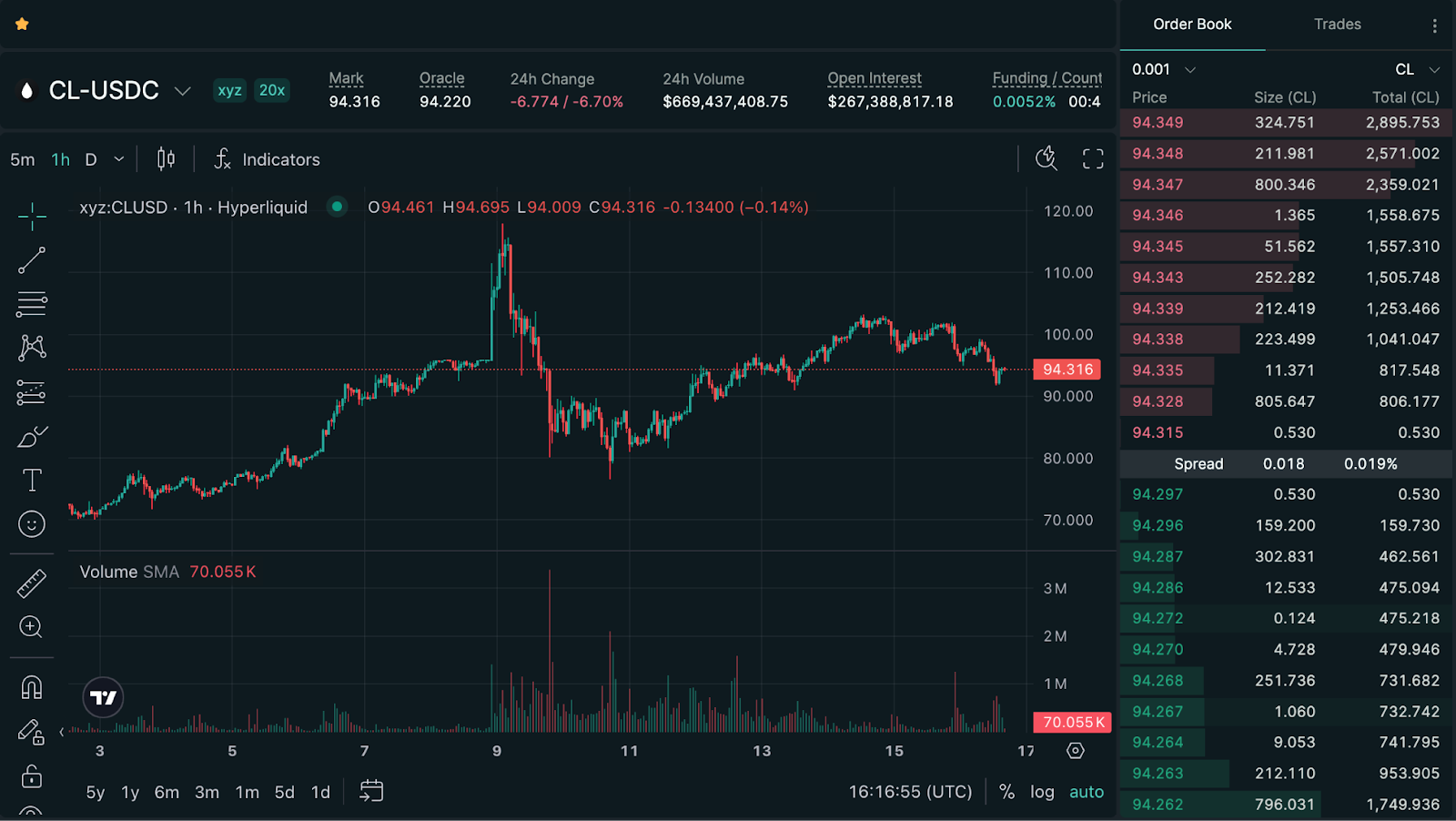
CL Perpetual Contracts
Perpetual contracts are a way to trade oil price action without expiry. On-chain traders can take long or short trades on Brent or WTI and various decentralized platforms will provide leverage. Like usual crypto perpetual trading, traders use stablecoin collateral and can audit protocol liquidity in real time.
Decentralized exchanges use price feeds from oracles that provide real-time market data to the blockchain. Chainlink, the leading decentralized oracle network, is used to connect commodity price data to smart contracts. Automated smart contracts built into the perpetual contract handle execution and settlement.
Traders Go Long And Short
A crisis like the Iran one creates opportunity for directional traders. Escalation in the region – like when Iran destroys oil tankers with drones in the Strait of Hormuz – typically sends prices higher, whilst comments from Trump and the actions of Western nations can send prices lower. The IEA has responded by releasing 400 million barrels of oil from emergency reserves in a bid to calm markets, temporarily cooling prices from their peaks.
Perpetual contracts are an enticing contract for a moving situation like this. A key structural advantage is that when traditional exchanges like NYMEX close over weekends, Hyperliquid's 24/7 perpetuals continue trading — allowing on-chain markets to reflect risk shifts earlier than conventional futures.
Oil As A Tokenized RWA
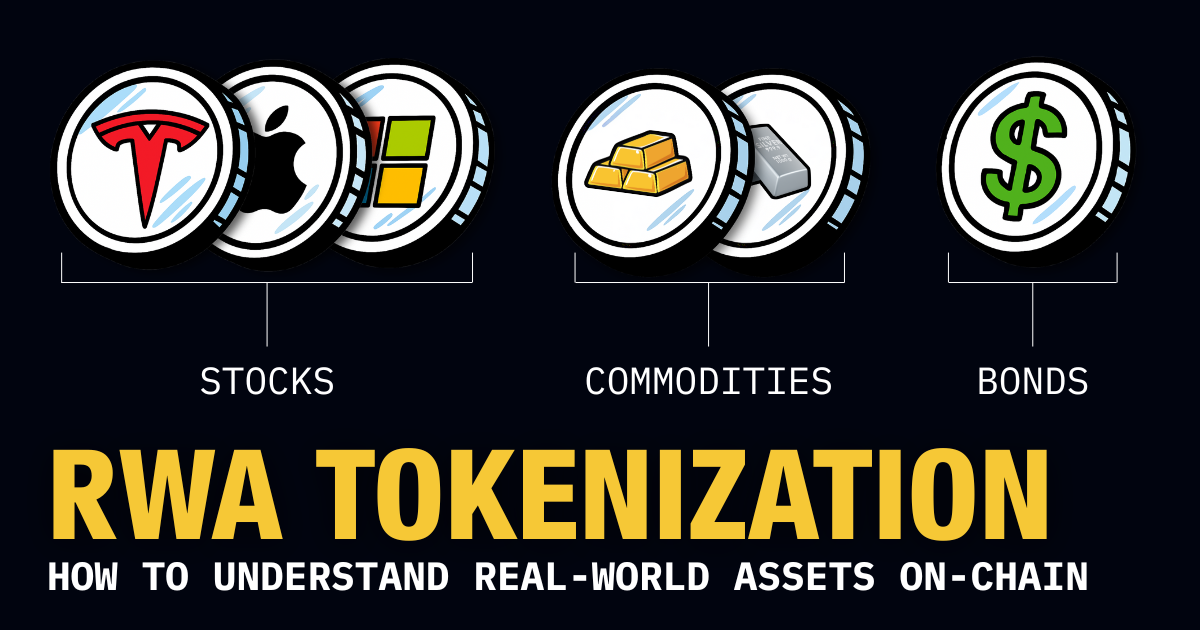
Real-world assets represent tangible items like oil on the blockchain. Tokenization converts physical ownership into digital tokens and bridges the gap between off-chain value and on-chain liquidity.
Traders can trade fractional shares of oil reserves where each token represents a verifiable claim to the underlying commodity. Issuers of tokenized RWAs like oil use regulated entities to ensure legal and custodial compliance.
One project currently in development, LITRO, is building a token pegged 1:1 to verified physical oil reserves, with only audited reserves eligible for tokenization and the minting process occurring on a strict 1:1 basis with physical volume.
On-chain tokenization removes geographic restrictions and reduces settlement times and transforms how assets are created and managed.
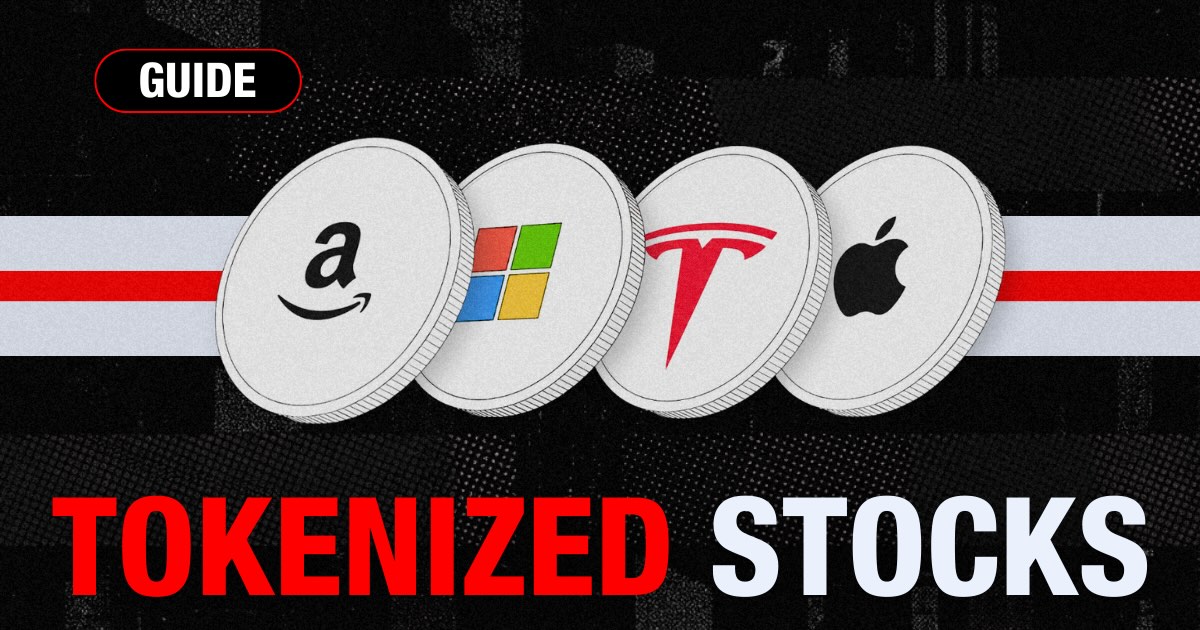
Programmable finance enables these tokens to work in lending markets. Tokenized commodities broaden the scope of decentralized finance. Gold and treasuries served as the first major real-world assets on-chain – Tether’s XAUT fund, for instance, now holds over $2.5 billion in tokenized value – with oil becoming ever more popular.
Bitcoin As A Stable Reserve
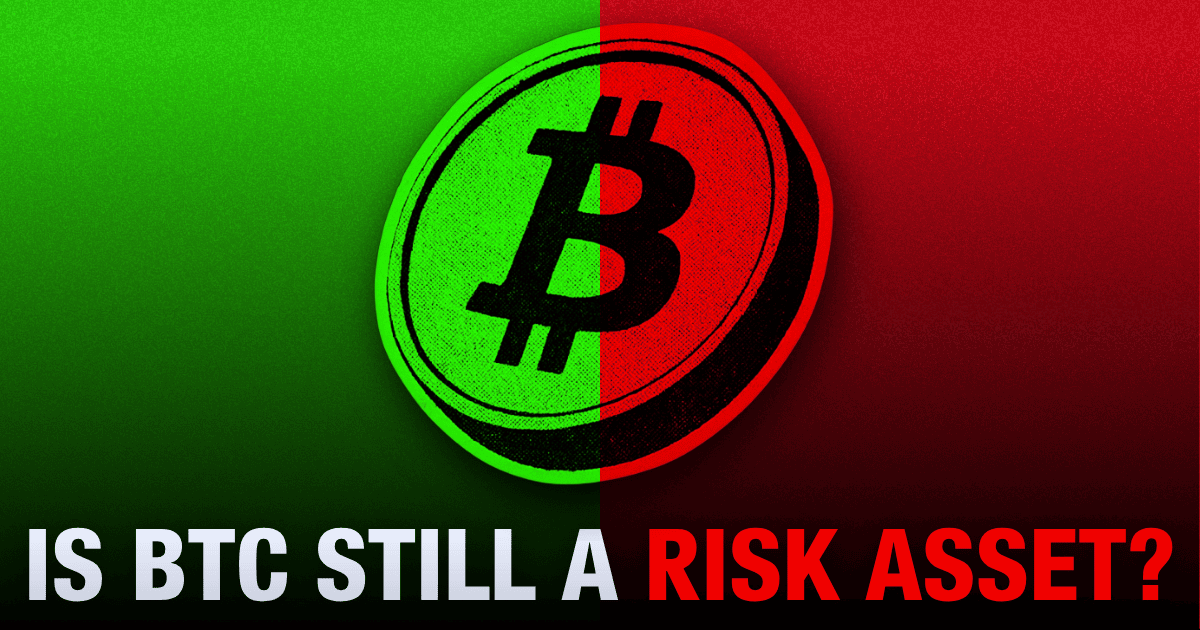
Bitcoin has performed well during the Iran crisis with some investors treating Bitcoin as a safe haven from geopolitical turmoil. Bitcoin experienced sharp volatility in the opening phase of the conflict as traders broadly reduced risk exposure, but recovered quickly — reflecting its growing role as an alternative asset. Bitcoin’s strength is that it has a role as a non-sovereign reserve.
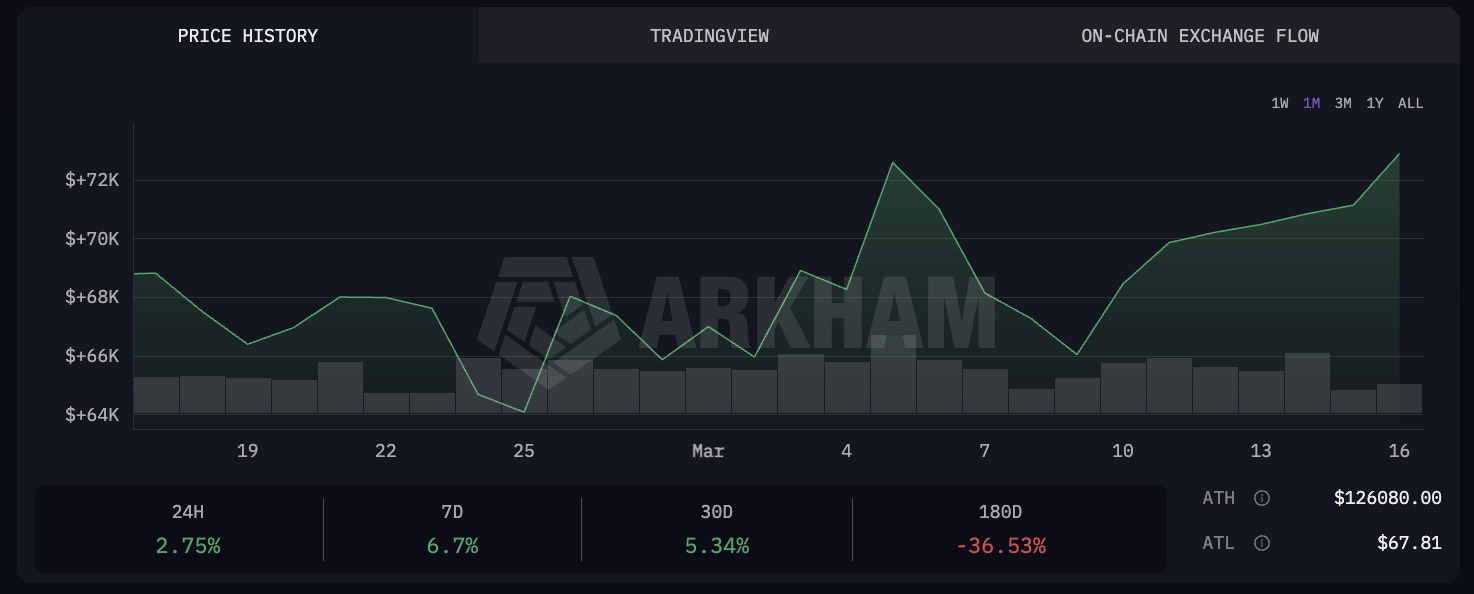
The background context for an improving BTC price is that Gold is near all-time highs, oil is incredibly volatile, and SaaS stocks are struggling due to fears of an AI revolution.

.png)









.png)
.png)





.jpg)






.png)
.png)


.png)


.png)


.png)
.png)

.png)
.png)







.png)
.png)
.png)
.png)



.png)





.png)