March 16, 2026
at
6:25 am
EST
MIN READ
ETHB: Everything We Know About BlackRock's New Ethereum Staking ETF
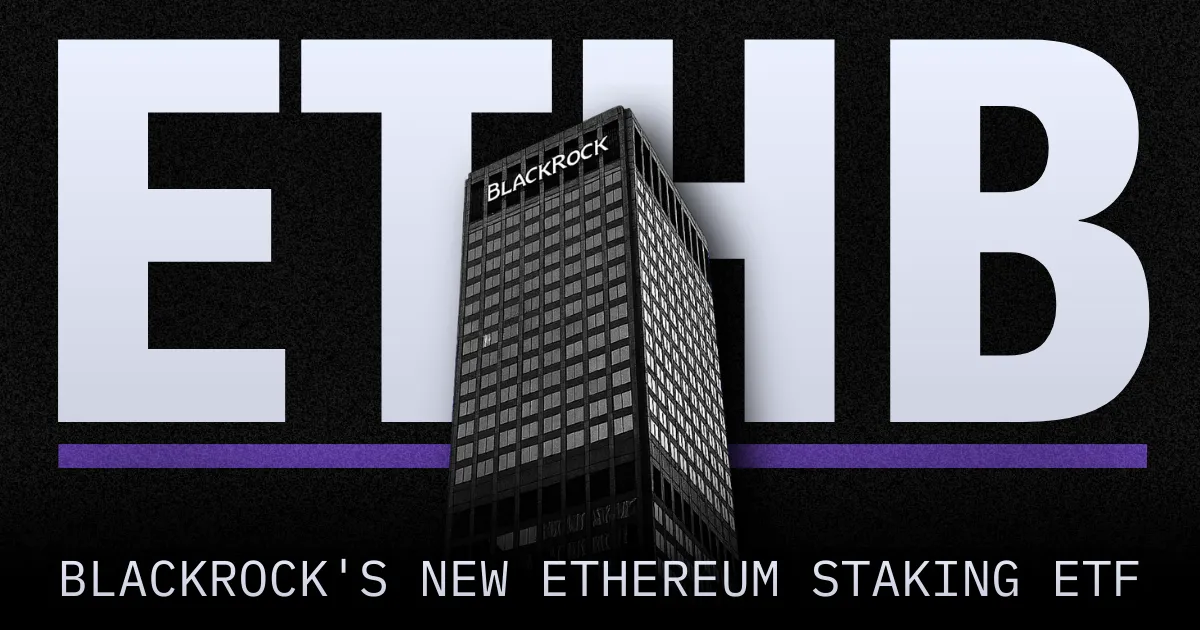
BlackRock has launchedits iShares Staked Ethereum Trust, which trades under the ticker ETHB. The crypto investment vehicle was launched on 12th March and attracted strong trading volume.
The world’s largest asset manager filed for the product following the success of its spot Ethereum ETF, ETHA, which has already amassed over $6 billion in assets. An SEC filing from 17th December showed that a BlackRock “Seed Capital Investor” bought 4,000 shares at $0.25. This investment was used as initial capital for the fund.
After weeks of anticipation, ETHB was finally launched on March 12th. This follows a shift in regulatory sentiment that now permits staking rewards to be incorporated into exchange-traded products, a move previously considered unfeasible by the SEC.
Bloomberg ETF analyst James Seyffart shared on X that the Blackrock staked ether ETF had reached approximately $15.5 million in trading volume during its first day.
The ETHB ETF is designed to transform Ethereum from a passive asset into a total-return product. According to the latest filings:
- Staking Ratio: BlackRock intends to stake between 70% and 95% of the Ether held by the trust. To manage the 95% staking target, BlackRock will maintain a "Liquidity Sleeve" of 5-30% in unstaked ETH. This buffer ensures the fund can meet redemptions even when the majority of assets are locked.
- Revenue Split: The fund willshare 82% of staking rewards with investors, while the remaining 18% is split between BlackRock and its prime execution agent, Coinbase.
- Fees: The trust will carry a 0.25% sponsor fee in addition to the cut taken from gross staking rewards.
Tracking ETHB on Arkham
Just like existing spot ETFs, investors can track ETHB’s performance and holdings in real-time via the Arkham Intel Platform. BlackRock is currently the 4th largest entity on Arkham, with over $57 billion in on-chain holdings as of February 2026.
Traders should note that because of T+1 settlement in traditional finance, on-chain evidence of BlackRock's ETH purchases typically appears one business day after the initial trade. Monitoring BlackRock’s entity page allows users to observe these massive movements of capital as they settle on the blockchain.
Despite a "crypto winter" that saw Ethereum's price dip below $2,000, institutional integration into DeFi is expanding. The launch of ETHB is a pivotal moment where institutional yield-seeking meets decentralized infrastructure.

.png)





.jpeg)



.jpg)


.jpeg)





.png)








.png)

.jpg)




.png)
.png)




.png)

.png)

.png)
.png)


.png)
.png)







.png)
.png)
.png)
.png)




.png)