September 2, 2026
at
9:40 am
EST
MIN READ
How To Use Arkham Intel
What is Arkham Intel?
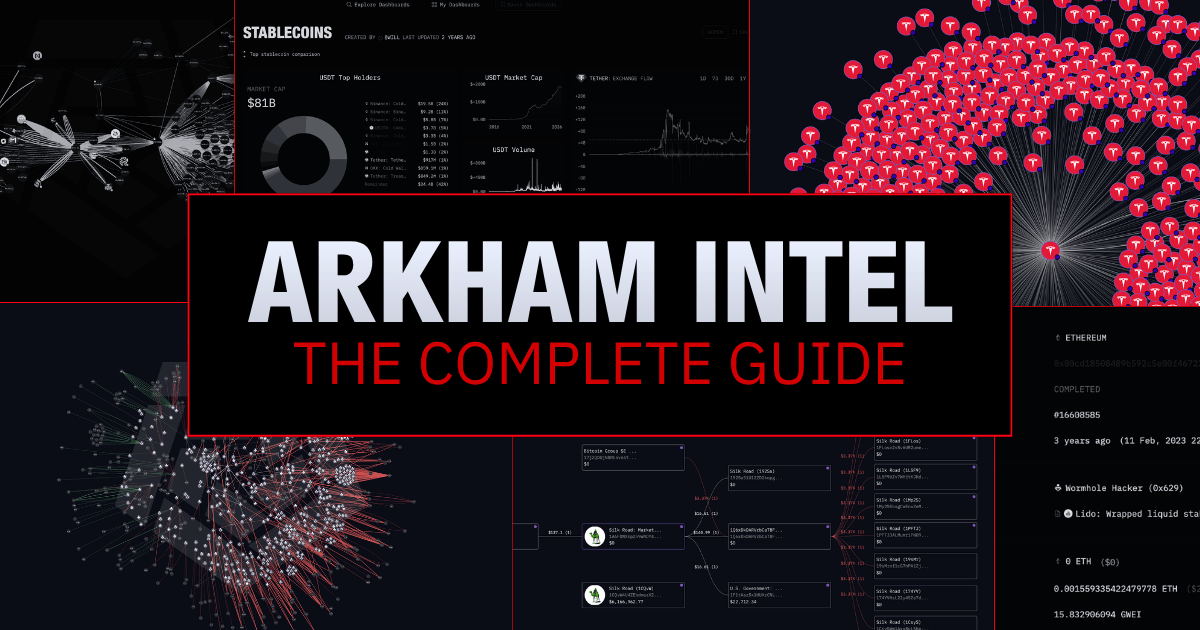
Arkham Intel is an intelligence platform designed to de-anonymize the blockchain and bring honesty and transparency to the crypto industry. Arkham is not a single tool, but a collection of different analytics and tracking tools built into one ecosystem.
Arkham is a multi-chain block explorer, a real-time TXID checker, a DEX, and a full-stack blockchain analytics suite. The platform has a large, constantly updating database of de-anonymized entities, offers a developer API, alongside investigative tools like a transaction tracer, a visualizer, and custom-built dashboards.
All of these features and capabilities are encompassed generally by one overarching term: blockchain intelligence.
List of Arkham features:
- Blockchain Explorer: Multi-chain search engine for all leading blockchains.
- De-Anonymised Entities: Over 800K named entities discovered using AI and Arkham’s in-house sleuths.
- Tags and Labels: Extensive database of tags and labels for all entities.
- Blockchain Analytics: Data, filters, tables, and many more features to help you find what you are looking for.
- API: Tool for gaining access to Arkham Intel’s AI engine: Ultra. Integrate real-time blockchain data into your own systems.
- Tracer: Transaction tracer to track flow of funds.
- Visualizer: Intuitive visual tool to help understand an address or entity and all related counterparties.
- Dashboards: Custom dashboards to suit your real-time blockchain data needs.
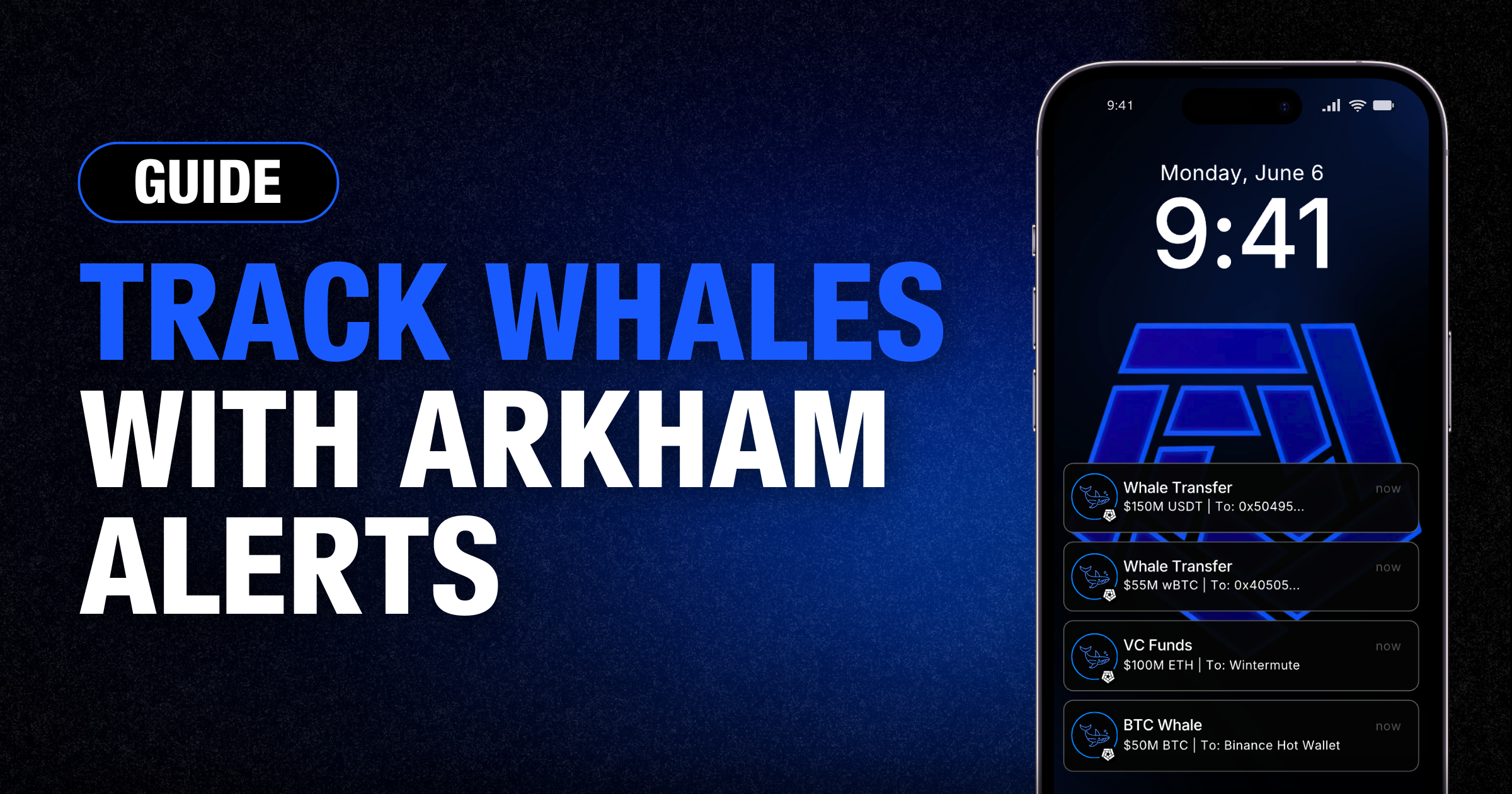
- Alerts: Set custom alerts using a range of different filters. (e.g. entities, tokens, addresses)
- Insights: AI-powered market insights showcasing the very latest events happening on-chain.
- Market Data: Latest market data for traders. (e.g. open interest, max pain, volume, options data)
- Intel Marketplace: A place to buy and sell blockchain intelligence data and earn rewards and bounties in the process.
- DEX: Decentralized Solana trading built right on the platform.
- Prediction Market Analytics: Track whales and top traders on Polymarket, deanonymize wallets, and visualize market moves in real time
How Does Arkham Intel Work?
Arkham converts millions of raw, anonymous wallet addresses into human-readable entity profiles. This is done via a combination of artificial intelligence, in-house sleuthing, and community-driven research.
Here is a quick outline of how it works:
- AI & Address Clustering: Arkham’s AI systems use machine learning and pattern recognition to analyze on-chain behavior at scale. By using address clustering techniques - such as the Common Input Ownership Heuristic - the AI can group dozens or even thousands of isolated wallets that are behaving in ways that indicate they are controlled by the same entity.
- Off-Chain Data Integration: AI and Arkham’s in-house sleuths aggregate data from off-chain sources (social media, forum posts, public court records, and news) and cross-references it with on-chain patterns to attach a real-world identity to a wallet cluster.
- The Arkham Intel Marketplace: Arkham’s intelligence is supplemented by its community. Through the Intel Marketplace, users can place bounties and community members can earn native ARKM tokens by contributing verified intelligence, such as new address labels or entity attributions.
- In-House Analysts: For high-profile cases, Arkham's internal sleuths conduct dedicated investigations, such as tagging US Spot ETF wallets or tracking seized government Bitcoin.
Getting Started (Multi-Chain Search, TXIDs, Token Pages & Portfolio)
Before diving into forensic use cases, you need to know how to navigate around the platform and analyze the data.
1. The Search Bar and Entity Profiles
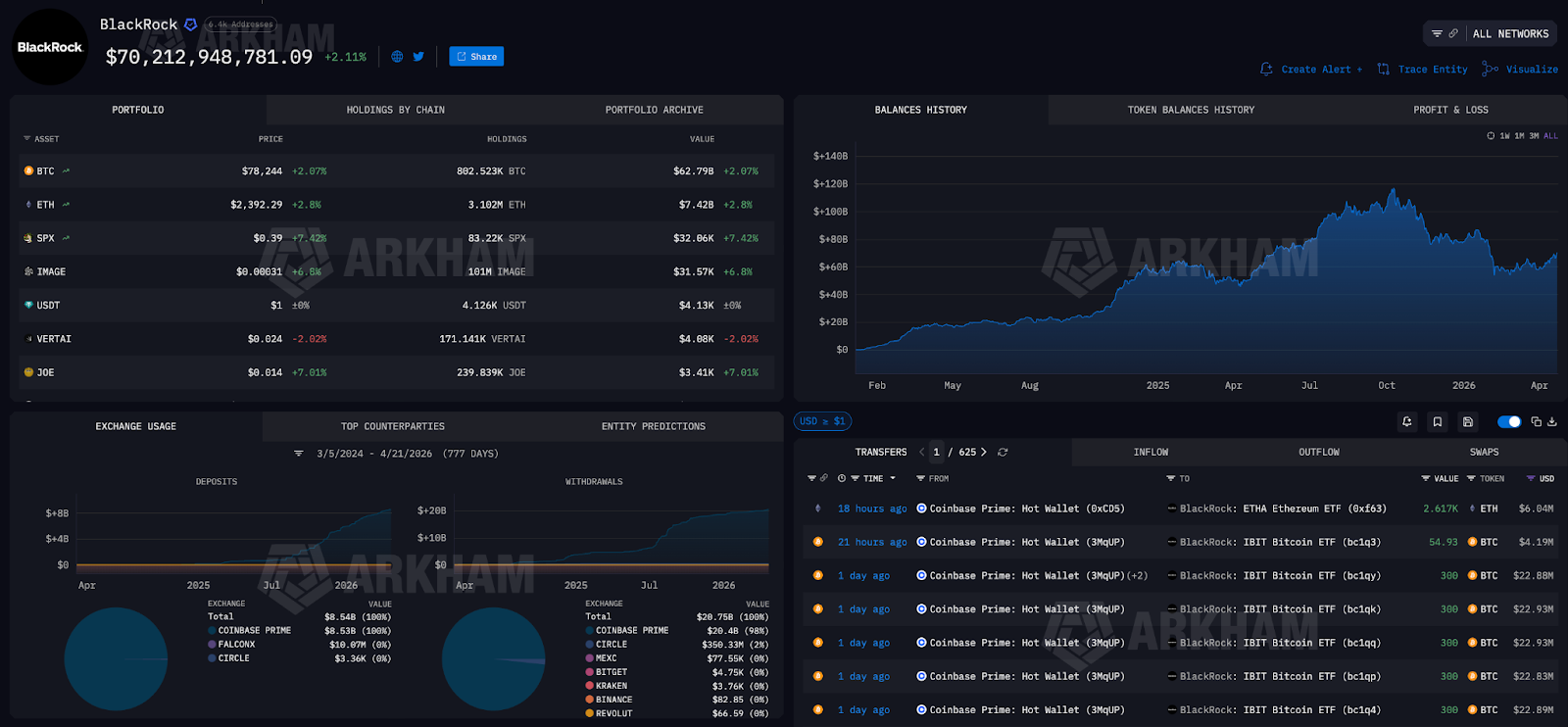
Start with the search bar. Instead of just pasting long wallet addresses (which is also possible), Arkham allows you to search for known entities (like "Binance", "BlackRock", or "Strategy").
To make sense of the data, Arkham uses a structured hierarchy of metadata:
- Entities: Groups of wallets belonging to one organization or individual (e.g., all 1.5K+ of Strategy's Bitcoin wallets grouped together).
- Labels: Individual designations for specific addresses (e.g., Binance Hot Wallet (bc1qm).
- Tags: Behavioral descriptors that tell you what a wallet has done in the past (e.g., Polymarket Whale, Hacker, Scam, or FOMO User). Read our guide to Arkham Intel’s tagging system here.
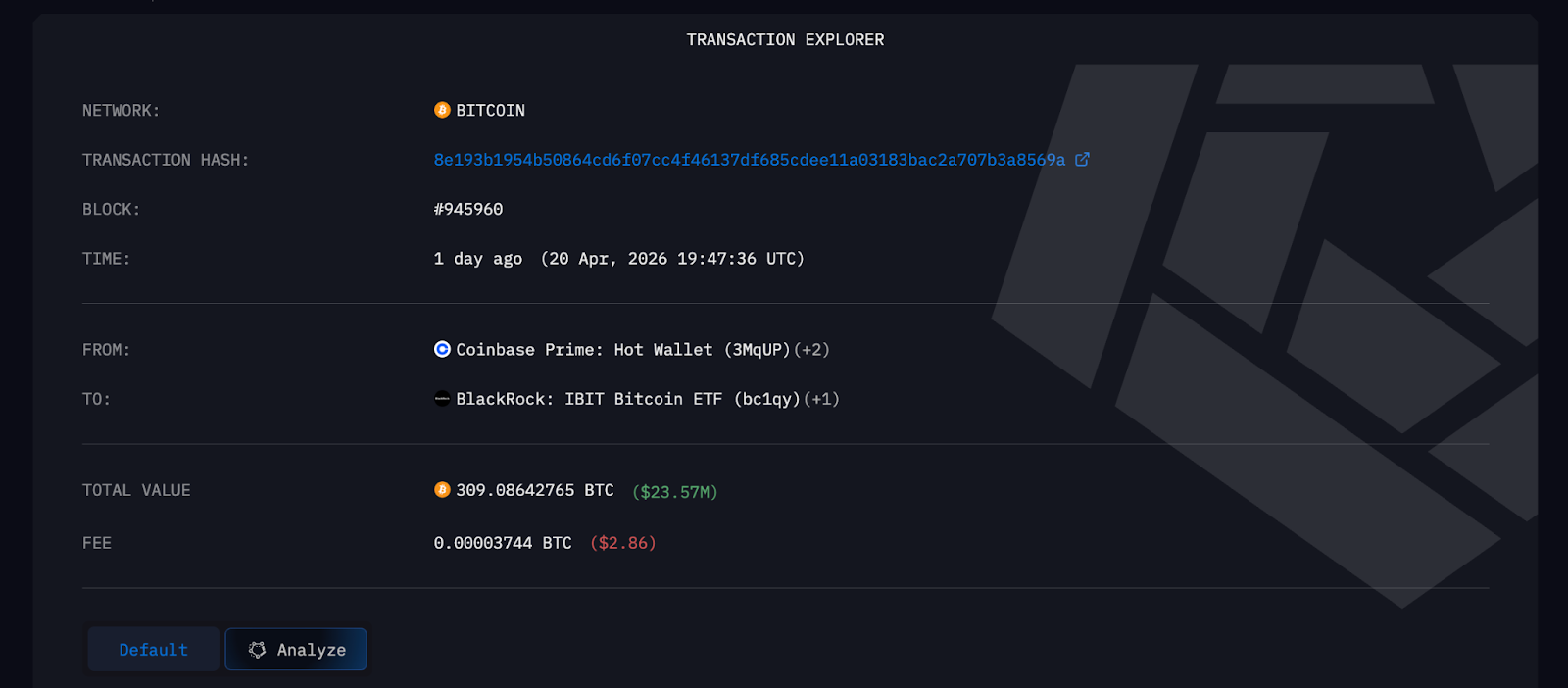
2. Tracking TXIDs (Transaction Hashes)
A TXID is a cryptographic hash that acts as an immutable "receipt" for every blockchain action. If you want to verify if a transaction was successful, check gas fees, or confirm timestamps, you just paste the TXID into Arkham.
While other explorers offer this, Arkham takes it a step further with AI transaction analysis. If a TXID involves complex smart contract interactions, liquidations, or cross-chain bridge transfers, Arkham’s AI sits directly below the raw data to provide a simple, plain-English summary of exactly what happened.
3. Token Pages and Macro Analysis
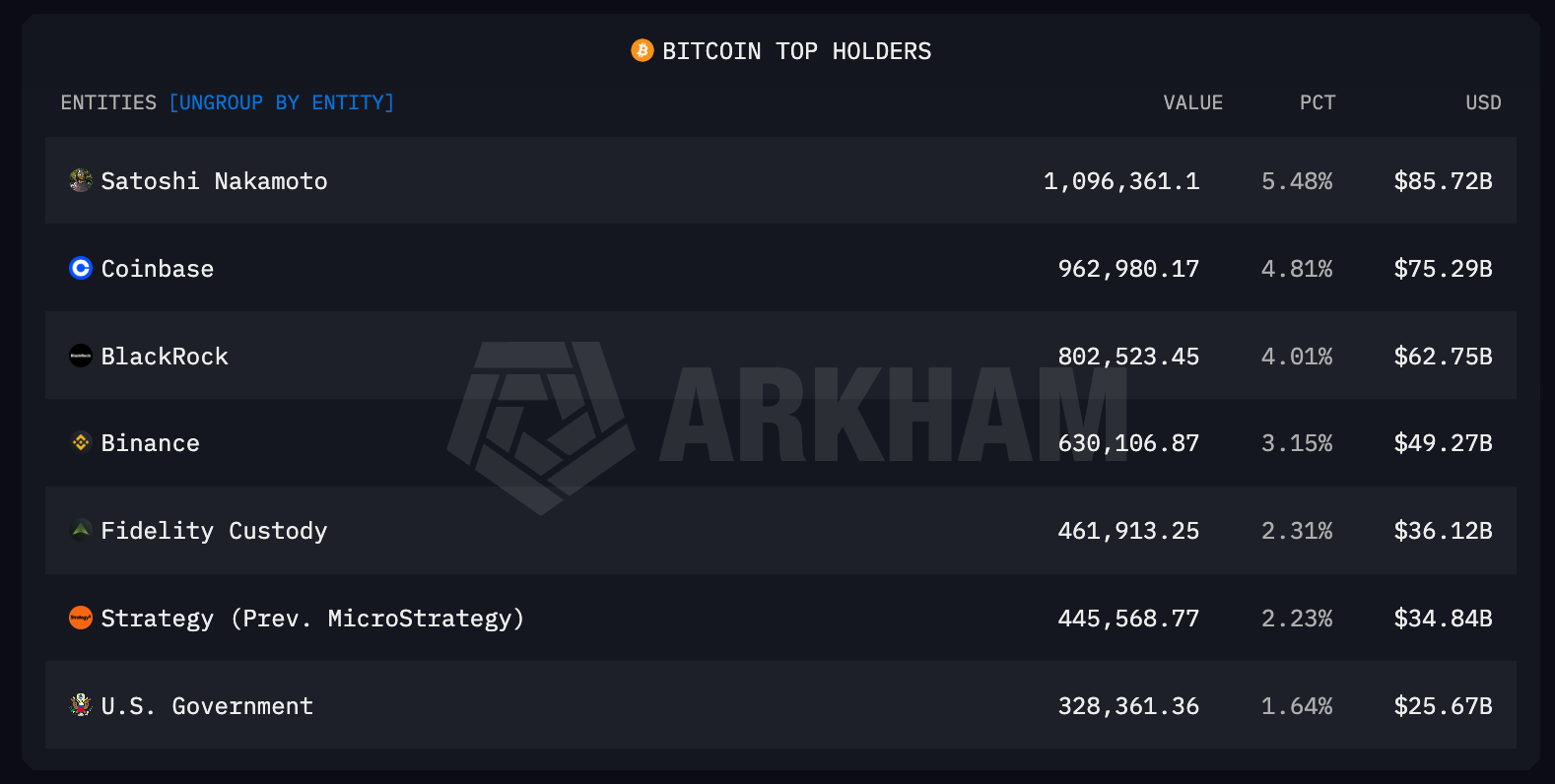
Arkham is also an advanced token explorer for hundreds of thousands of different tokens. By searching for a specific token (like Bitcoin, Ethereum, or a newly launched meme coin), you open a token page.
Here, you can perform high-level crypto market analysis by viewing real-time market cap, volume, fully diluted valuation (FDV), and live exchange flows.
Always check the Top Holders tab before buying a new token. If you notice a tiny cluster of unknown wallets controls 80% of the token's supply, you might be looking at a rug pull waiting to happen.
4. Managing Your Portfolio with Internal Intelligence
You can use Arkham to get a unified view of your own crypto holdings.
- Connecting Accounts: Click the blue plus button on your profile page (you need to sign up first) to add your personal crypto addresses. You can connect a specific address, a Web3 wallet (MetaMask/Phantom), or connect straight to your exchange account.
- Tracking Performance: Once connected, the platform will auto-populate your overall crypto net worth, provide a breakdown of your current assets, and display your historical balance history.
- Analyzing Trades: The transaction panel beneath your balance graph records all your trades. You can zoom in on specific peaks or drops in your historical balance graph, and the platform will automatically filter the transaction log to show the exact trades or transfers that caused that change in net worth.
Core Tools for Crypto Market Analysis (Dashboards and Alerts)
Once you know your way around the platform and have done some initial customisation, you can transition from manually searching for data to building an automated, fully customized intelligence workflow.
1. Custom Entities
Arkham Intel is a platform you can build upon and personalise. If you find five anonymous wallets that consistently buy tokens right before they pump, you can manually group them together into a Custom Entity (e.g., "Smart Money Trader A"). You can choose to make these custom entities Public to share with the community, or keep them Private for your own trading strategies.
2. Building and Exploring Custom Dashboards
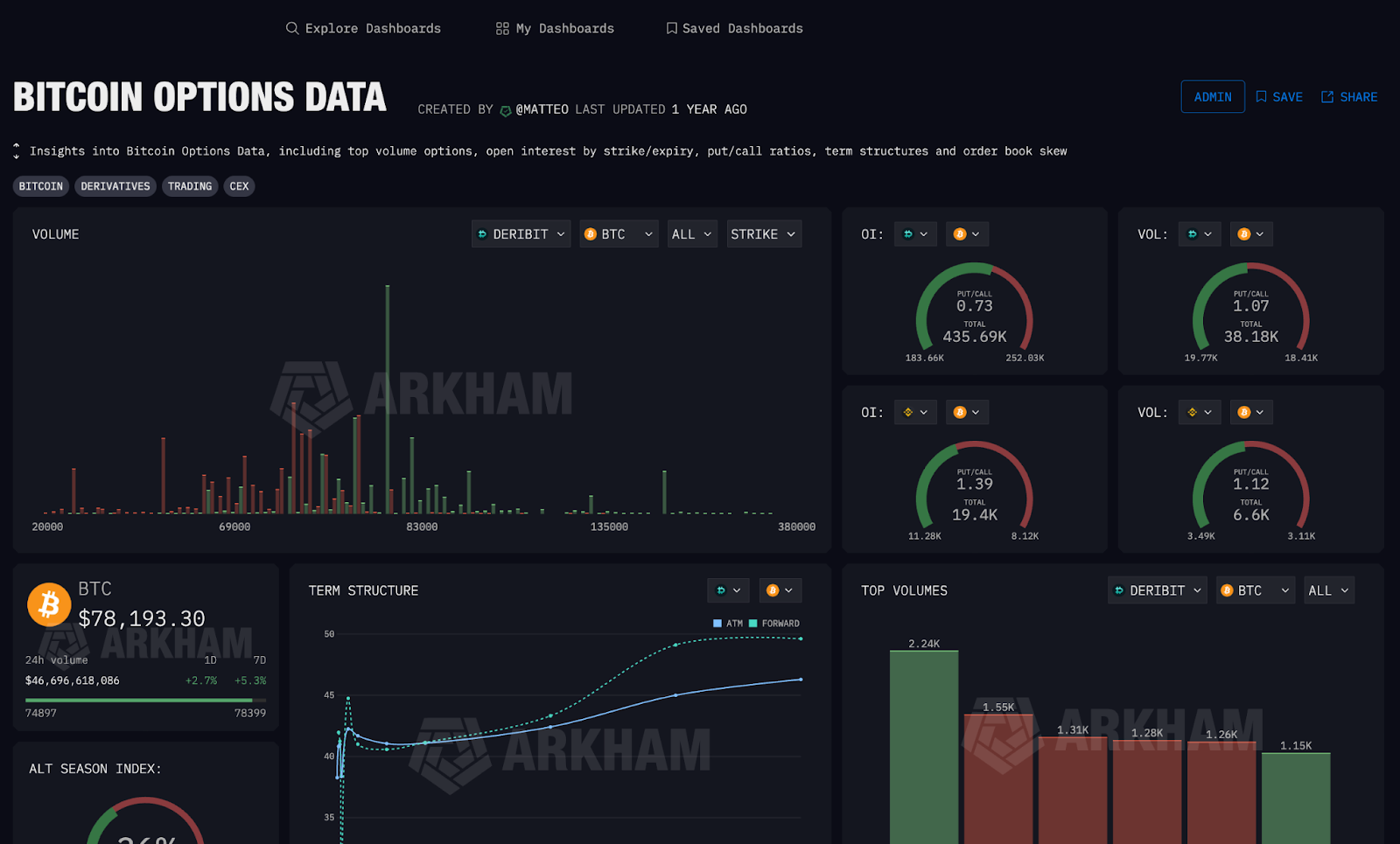
Dashboards are customizable interfaces that allow you to monitor the specific crypto data you care about at a glance.
- Exploring: You can browse the "Explore" page to find public dashboards curated by the Arkham team or the community. You can click the copy button to duplicate any dashboard into your own workspace so you can modify it.
- Creating Units: Dashboards are made of individual visual blocks called "units." When you create a new dashboard, you click a blank grid to add these units.
- Unit Categories: There are five types of units you can add:
- Address and Entity Intel: Shows portfolio holdings and historical performance for specific addresses.
- Token Intel: Displays token price, market cap, top holders, and aggregated flows.
- General: Highly customizable charts and graphs.
- Spot and Exchange Futures: Pulls data from centralized exchanges to show market performance and funding rates.
- Options: Shows advanced metrics like implied volatility and term structure.
3. Setting Up Smart Crypto Alerts
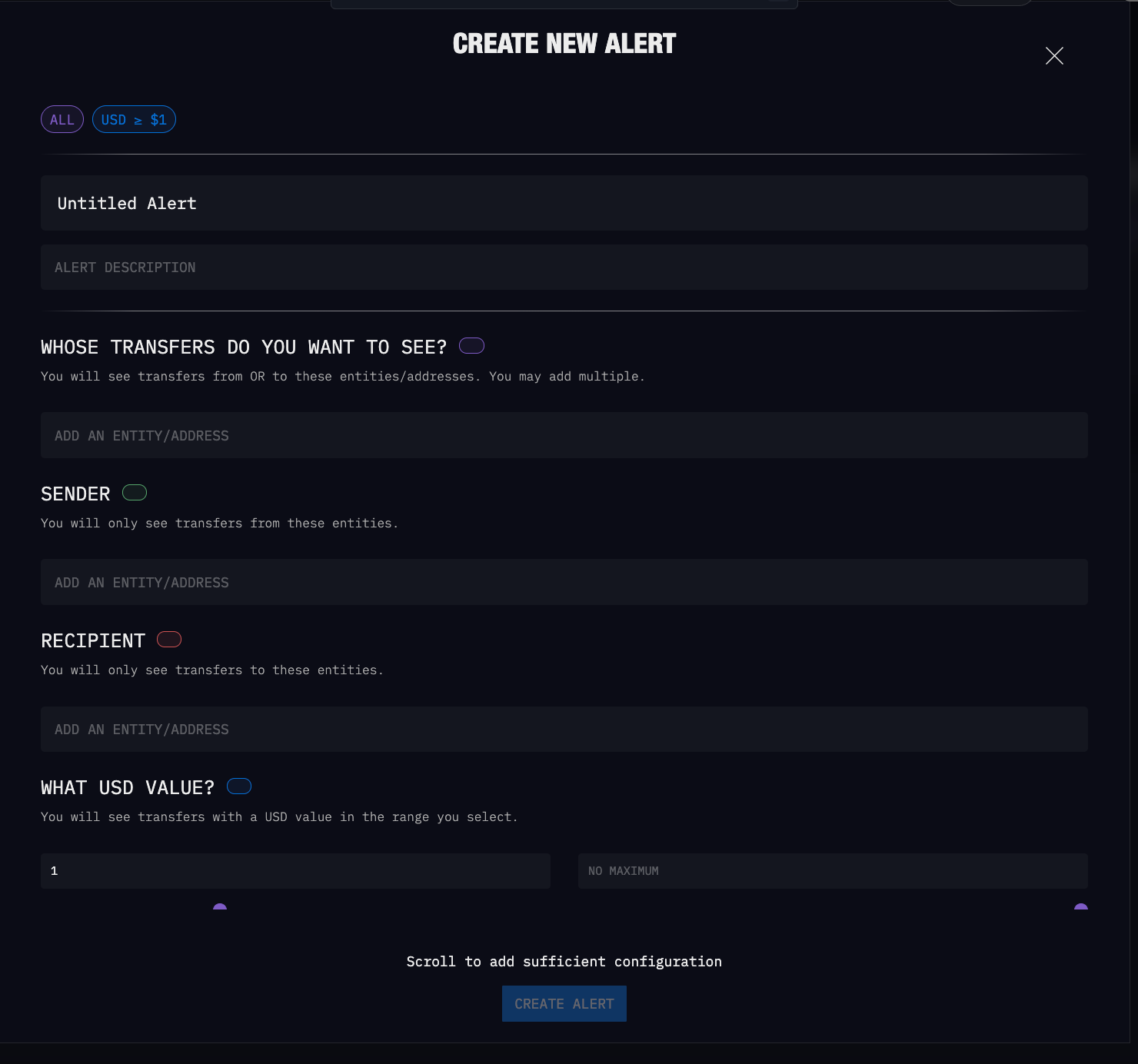
Getting real-time alerts is how the best traders give themselves an edge and Arkham’s alerts tool leverages our huge database of de-anonymised entities to save users time. If you wanted to track the movements of Satoshi Nakamoto's estimated 1 million BTC, you would historically need to set up alerts for all 22,000 of his known addresses. With Arkham, you simply set one alert for the one de-anonymized "Satoshi Nakamoto" entity.
Alerts allow you to receive real-time notifications for specific on-chain activities:
- Creating an Alert: Click the blue "CREATE ALERT" button in the bottom left corner of the alerts page to name and describe your notification.
- Setting Conditions: You can configure alerts to trigger based on highly specific filters. For example, you can track all transactions involving a specific token, transactions above a certain USD value, activity on a specific chain, or when a specific entity sends or receives funds.
- Delivery: Alerts can be routed directly to your email, Telegram, Slack, or via webhooks. You can easily pause, edit, or delete them from the left-hand menu.
To set one up, navigate to Custom -> Alerts -> Create Alert. Here are four useful alert strategies you can deploy today:
- Exchange Inflow/Outflow: Alert when massive amounts of a specific token move to an exchange (signaling potential sell pressure).
- Dormant Wallet Activation: Alert when a wallet that hasn't moved in 5+ years suddenly transfers funds.
- Stablecoin Minting: Track massive USDT or USDC mints, which often precede market-wide buying sprees.
- Whale Tracking: Follow the exact moves of influential entities like Justin Sun, Vitalik Buterin, or major hedge funds.
4. Conducting Transaction Analysis for Trading
Arkham enables users to easily use transaction data to find trading alpha or manage risk.
- Tracking "Smart Money": Use the search bar to look up proprietary trading firms or large market makers (like Jane Street) to view their real-time portfolio and the exchanges they use. You can filter for their largest transactions to see what they are buying and use that to gauge potential market momentum.
- Insider Unlocking Strategies: You can use Arkham to identify project insiders, team members, or venture capitalists. By monitoring how many tokens they hold and when those tokens vest, you can anticipate massive supply hitting the market. If you notice insiders dumping tokens into a thin order book, you can use that data to carefully short the asset.
Blockchain Analytics and Crypto Sleuthing
At the highest level, blockchain analytics is used to enforce accountability. Traditional law enforcement is currently not equipped to keep pace with the speed of crypto, giving rise to the online sleuth. Independent investigators like ZachXBT and Coffeezilla use open-source intelligence (OSINT) and wallet tracking to expose fraud, recover stolen assets, and contribute to criminal prosecutions.
1. The Visualizer and Tracer Tools
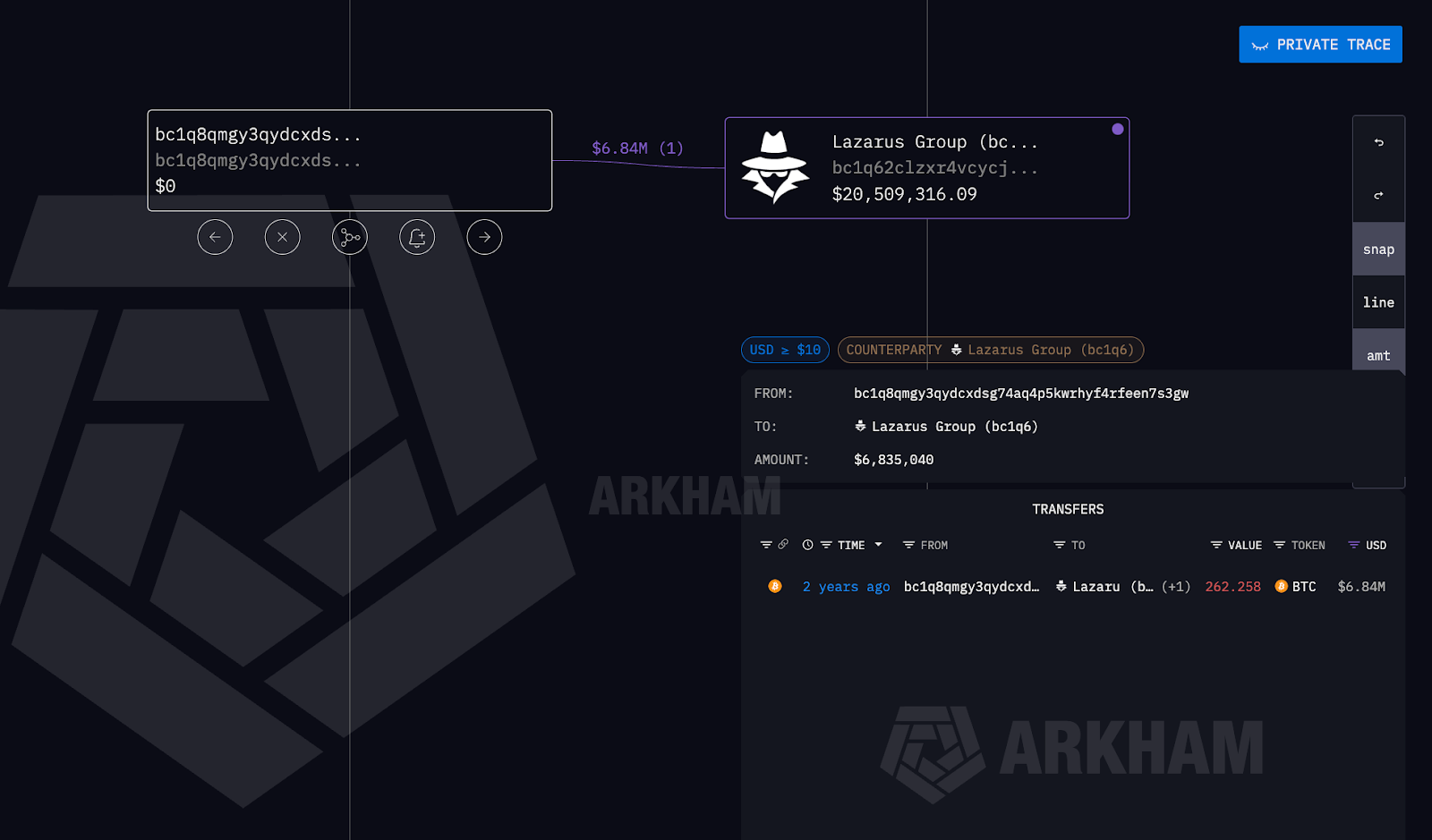
To track criminals, sleuths use Arkham’s Visualizer and Tracer tools, which make complex, multi-hop transaction flows into easy-to-understand node graphs. When a hacker attempts to launder funds using peel chains or intermediary wallets, investigators use "taint analysis" to assign a risk score to the funds, tracking the stolen money across chains until it hits an off-ramp.
Using the Visualizer:
The Visualizer generates a network map to show relationships and transactions between different entities.
- Getting Started: Paste an address or search for an entity (like "BlockFi") in the top left box. The graph will populate with nodes (representing addresses/entities) and lines connecting them (green for inflows, red for outflows).
- Filtering: Click the arrow next to the entity box to open the transaction interface. Here, you can filter the visualizer to only show transactions of a specific token type, above a certain USD value (e.g., only transactions over $1 million), or within a specific timeframe.
- Finding Connections: You can add a second entity to the search bar to see how two different players interact. The visualizer will draw white lines to indicate internal transactions between them, helping you uncover intermediary wallets linking them.
- Interaction: You can drag nodes to cluster them, hover over lines to see transaction values, or click on a transaction line to view exact details like tokens moved, gas price, and timestamps. Right-clicking a large entity will break it apart into its individual wallets.
Using the Tracer:
The Tracer is designed specifically to track the sequential flow of funds from one address to another.
- Tracing Flows: Enter a starting address and switch between its inflows and outflows to see its top counterparties.
- Expanding the Web: Add these counterparties to your map and click "fetch flows" to instruct Arkham to read the fund movements for that new node.
- Reviewing Logs: Clicking the lines between nodes opens a detailed transaction log for that specific path. You can apply filters by token, USD value, or chain to narrow down exactly what kind of funds you are tracking.
2. Top Arkham Investigations
Arkham’s in-house team regularly uses these exact tools to break massive global news.
- The LuBian Heist: In August 2025, Arkham uncovered the largest crypto heist in history: a theft of 127,426 BTC (worth roughly $3.5 billion at the time) from the Chinese mining pool LuBian in 2020. Arkham traced the intermediary hacker addresses and found over 1,500 on-chain OP_RETURN messages from the victims pleading for their funds back.
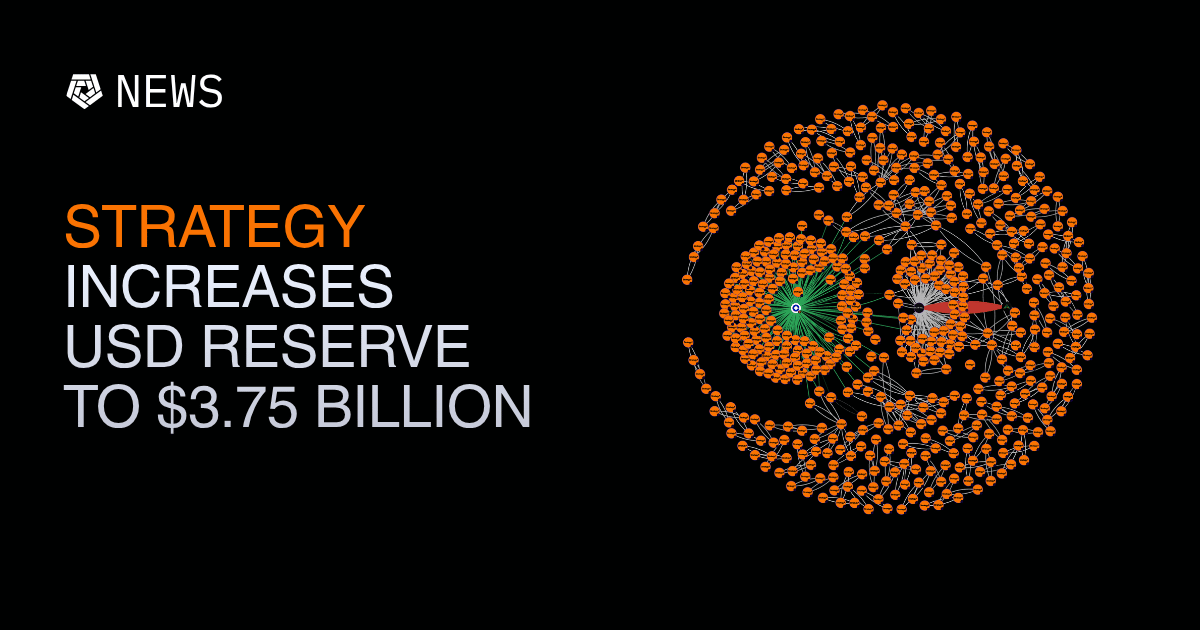
- Uncovering Strategy's (MicroStrategy) BTC Stack: Despite Michael Saylor’s claims that he would never reveal the company's wallet addresses, Arkham successfully identified over 1,400 wallets holding 83% of the company’s Bitcoin stack, sparking a debate about corporate privacy on a public ledger.
Arkham Ecosystem
Arkham is evolving from a read-only analytics platform into an all-in-one crypto ecosystem.
1. The Arkham DEX
With the freshly launched Arkham DEX, you can perform your on-chain data analysis and verify tokenomics, before instantly executing trades on any Solana token on-chain without ever leaving the platform.
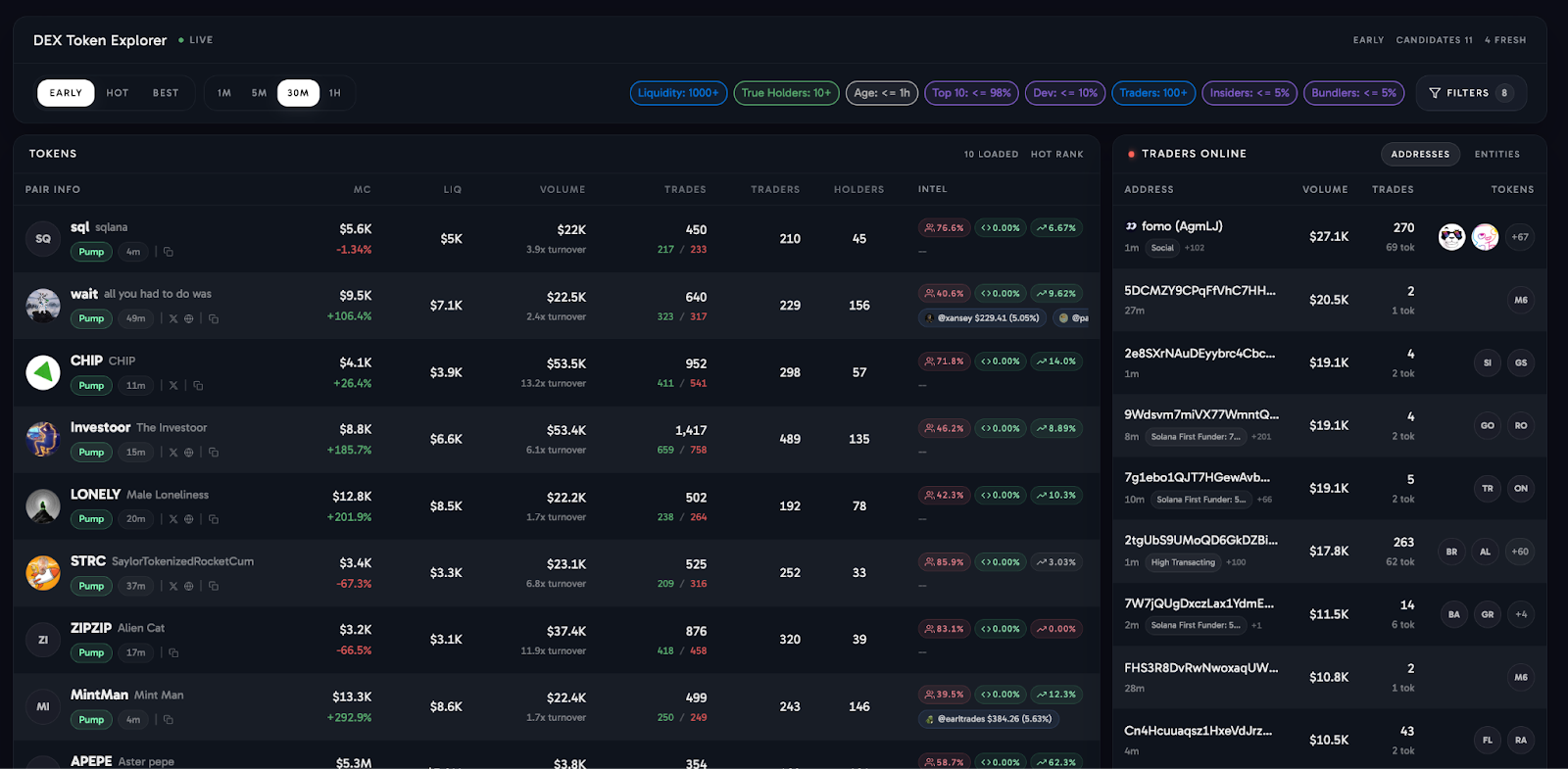
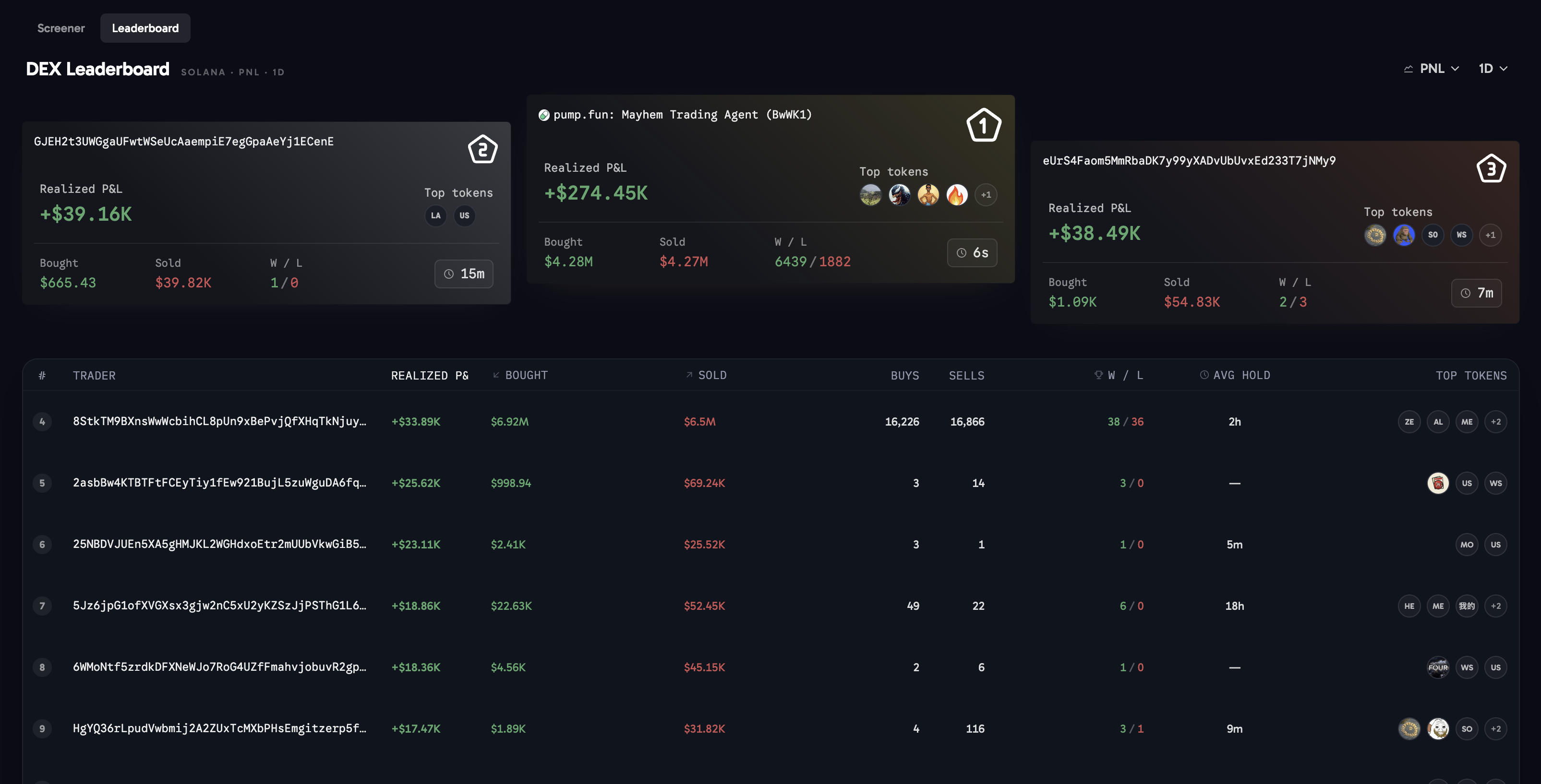
You can also track top Solana memecoin traders using the Arkham DEX leaderboard. Filter by a range of different metrics (PNL, Buys, Sells, Wins, Losses), see active and historical trades, and leverage the full suite of blockchain intelligence features from Arkham to get a trading edge and protect yourself from scams and rug pulls.
2. Prediction Market Analytics
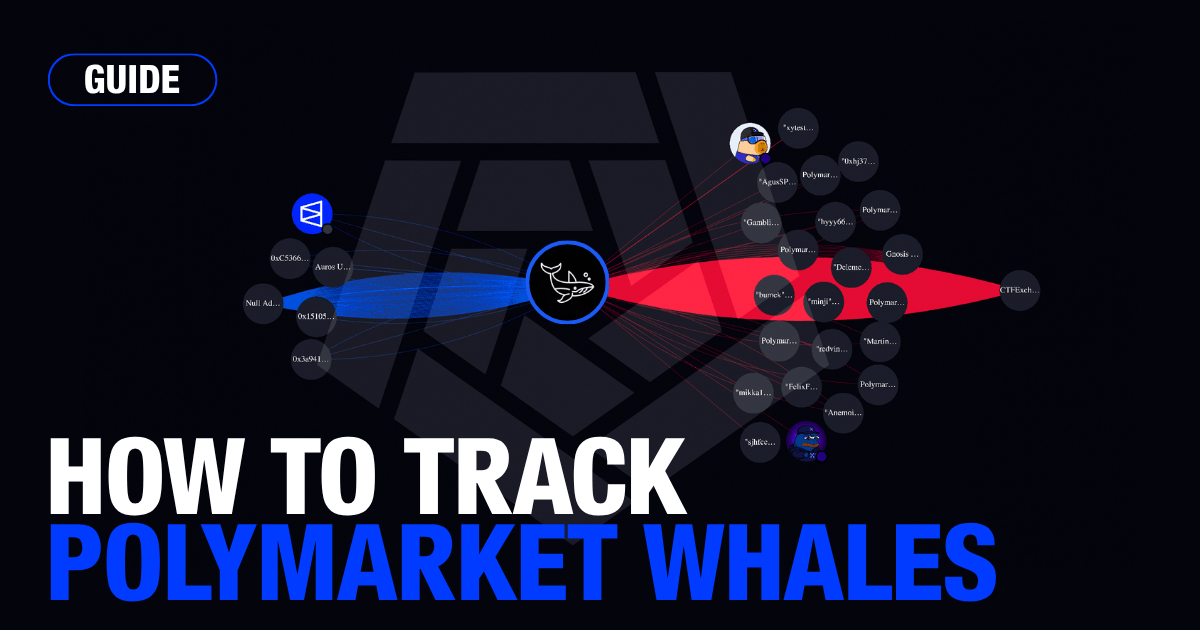
Prediction markets like Polymarket have moved on-chain, so the data they produce is now accessible to anyone. Every transaction, position, and outcome is recorded and verifiable. To help participants navigate this ecosystem, Arkham Intel has built a comprehensive analytics platform on top of our existing platform that is dedicated to prediction market data.
Trader analytics: Comprehensive tracking of top prediction market participants based on Profit and Loss (PNL).
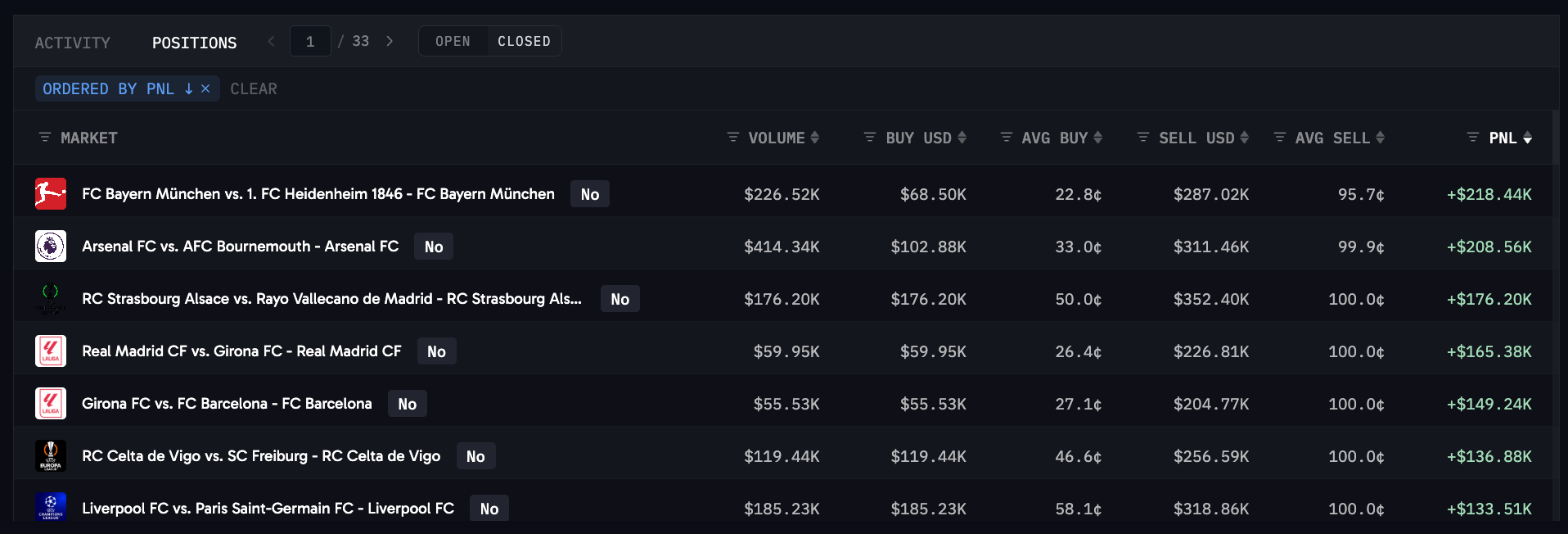
Users can view a feed of the top prediction market traders by PNL, alongside a history of their open and past positions. The platform provides analytics on individual performance, including Return on Investment (ROI) and overall win rates. Users can also set alerts on specific transactions and examine a trader's broader on-chain activity beyond just their prediction market wagers.
Here’s a list of the specific metrics available to users:
- Account Value: To show the scale at which they are trading and their "skin in the game."
- Active Positions: To reveal real-time convictions, allowing users to track, copy, or fade current strategies.
- Total PNL & Total ROI: To measure raw bottom-line success versus actual trading efficiency (leveling the playing field between whales and small accounts).
- Volume: To distinguish between highly experienced, frequent traders and casual participants.
- Biggest Win: To determine if a trader's PNL is based on consistent skill or one lucky outlier.
- Win Rate: To gauge consistency and accuracy.
The screenshot below from Arkham Intel Predictions Analytics shows a trader’s top closed positions, ordered by PNL:
Live market monitoring: A real-time feed of prediction market trades across the ecosystem.
Participants can monitor a live tape of prediction market trades as a whole, or filter down to all trades for a specific market they are currently tracking. Markets can be viewed across a range of active categories - politics, sports, and crypto - providing visibility into market movements and participant behavior as real-world events unfold.
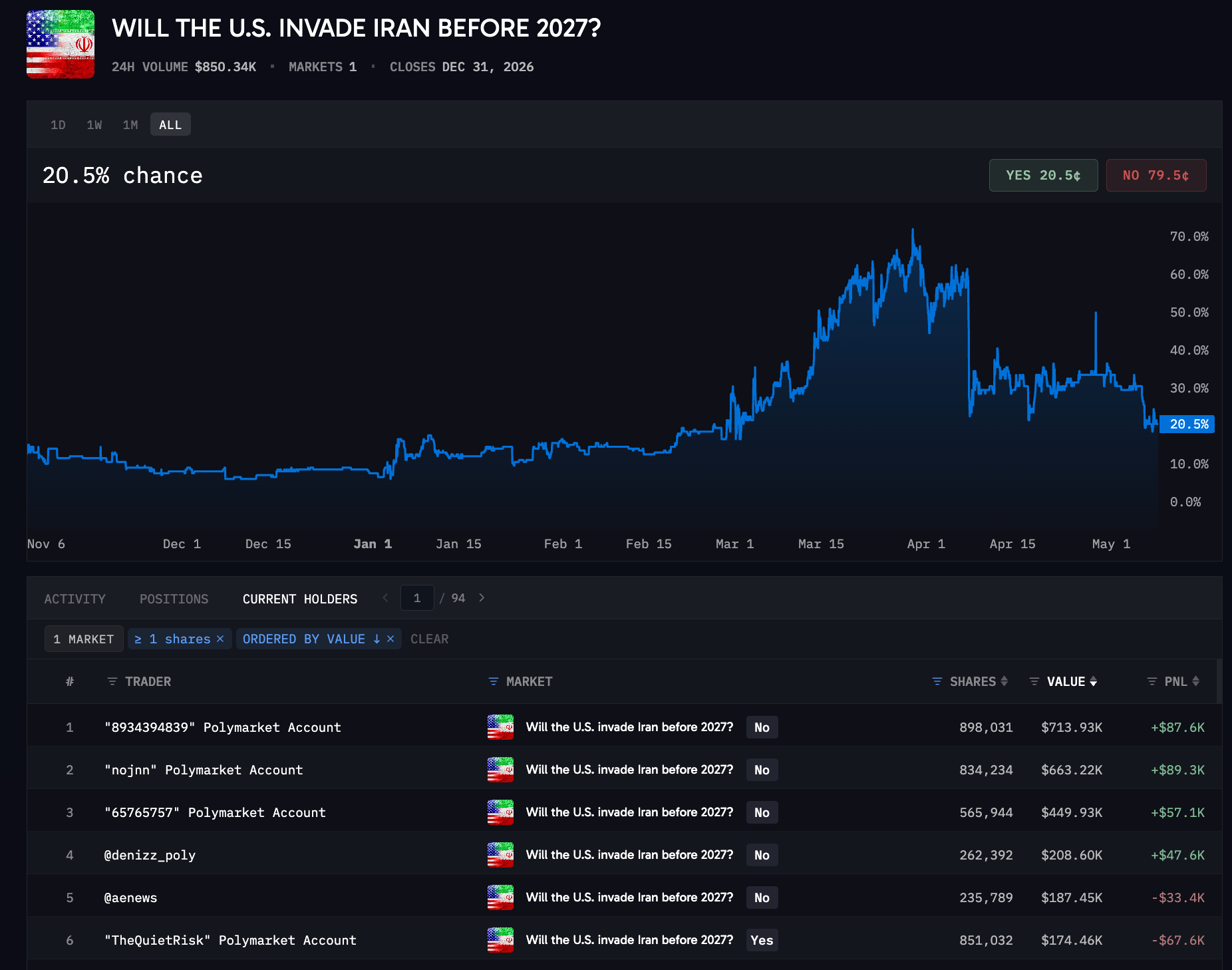
The following screenshot shows Prediction Market analytics for ‘Will the U.S. Invade Iran Before 2027?’. The table at the bottom shows analytics on the current contract holders ordered by value.
Entity deanonymization: The integration of real-world identities and known entities with on-chain prediction market data.
Arkham's existing catalogue of over 3.5 billion address labels and 800,000 verified entities allows users to deanonymize many on-chain traders. Users can now see the activity of known traders, funds, and key opinion leaders, contextualizing the capital flowing into specific YES or NO contracts.
There are also 20 different Polymarket-specific tags that provide insights into hundreds of thousands of different addresses. Key tags include:
- Polymarket Whale
- Polymarket High PnL Trader
- Polymarket High ROI Trader
- Polymarket High Win Rate Trader
- Polymarket Market Maker
Data visualization: Tools to map on-chain trading behavior directly onto market pricing.
Within individual markets, trades can be sorted by current and past positions based on PNL, or by the current holders of YES and NO shares. A built-in filtering mechanism allows users to select any specific address and overlay that trader's exact entry and exit points directly onto the market's price chart, providing a visual representation of their trading strategy and timing.
3. Arkham Research
For those wanting to learn about crypto and become a blockchain analytics expert, Arkham Research publishes in-depth news, post-mortems of major exploits, and macroeconomic analysis.
4. ARKM token
The native ARKM token powers the Arkham Intel Exchange, where users can post bounties to de-anonymize specific wallets.
5. Connect on Social Media
Because Arkham's AI monitors the blockchain 24/7, our social media feeds are routinely the first to break massive news - from US Government Bitcoin seizures to major exchange hacks.
Follow along for real-time updates:
Further Reading/Resources:
- A Guide To Blockchain Intelligence
- A Complete Guide to On-Chain Analysis
- How to Set Crypto Alerts on Transfers and Whale Activity
- Online Sleuth: How to Be a Blockchain and Crypto Investigator
- What is a Blockchain Explorer?
- A Guide To Arkham Intel's Industry-Leading Tagging System
- Blockchain Analytics: All The Use Cases For On-Chain Data
- Top BTC Holders: Who Owns The Most Bitcoin
- Top ETH Holders: Who Owns The Most Ethereum
- A Guide To Crypto Crime
- What is Tokenomics? A Crypto Trader's Guide
- How To Track Polymarket Whales
- How To Track A Bitcoin Wallet

.png)








.png)
.png)




.jpg)


.png)
.png)


.png)
.png)


.png)
.png)

.png)
.png)




.png)
.png)
.png)

.png)


.png)



.png)