July 29, 2026
at
11:45 am
EST
MIN READ
Are BlackRock Customers Selling BTC and Buying ETH?
.png)
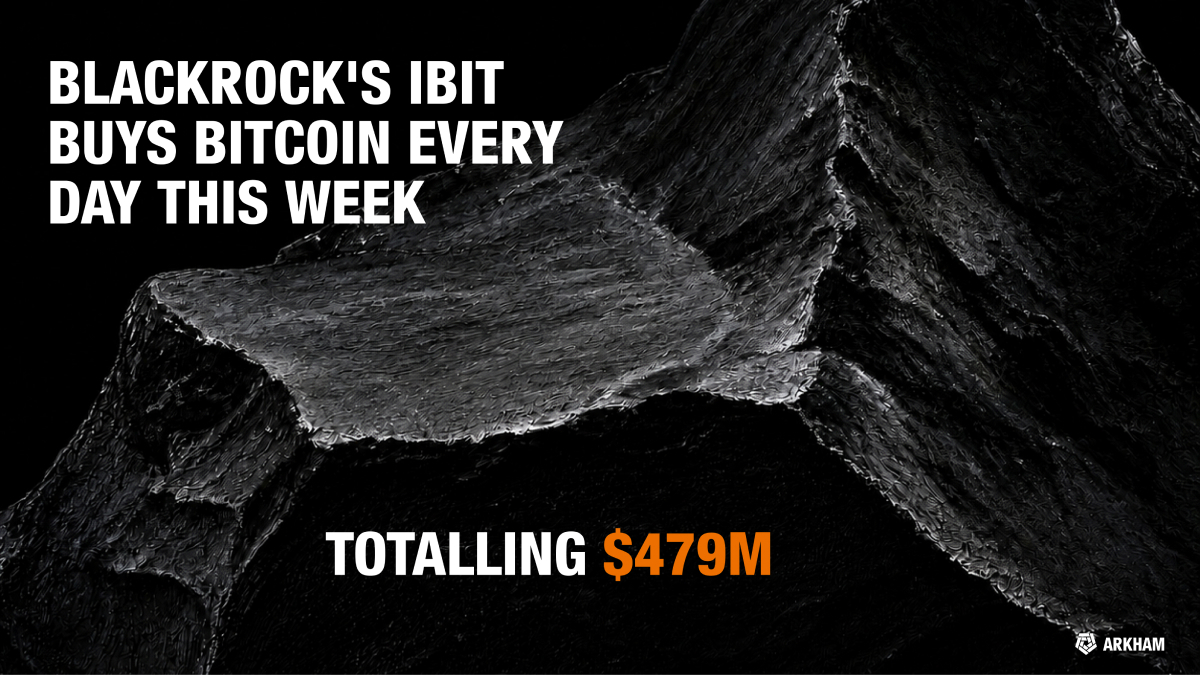
Clients of the world’s largest asset manager - BlackRock - have recorded net outflows of approximately $60 million from the iShares Bitcoin Trust (IBIT) ETF so far this week. At the same time, on-chain analysis shows more than $20 million in ETH acquired by customers of the iShares Ethereum ETF (ETHA).
It raises the question, are institutions beginning to rotate capital from Bitcoin into Ethereum?
IBIT remains the dominant U.S. spot Bitcoin ETF, with BlackRock-linked wallets holding 736K BTC ($47B). The next largest ETF provider is Fidelity’s FBTC with $11B worth of BTC.
Recent transfers show consistent movement of Bitcoin out of IBIT-related custody and into exchange hot wallets, used for redemptions. Parallel activity on the Ethereum side includes inbound ETH transfers to BlackRock-labeled addresses, totaling more than $20 million in the same period.
You can view recent BlackRock redemptions in the interactive window from Arkham below:
BlackRock’s overall crypto footprint continues to be substantial. The asset manager’s de-anonymized entity holds over 736,000 BTC (valued around $47 billion at recent prices) alongside nearly 2.9 million ETH (approximately $5.55 billion).
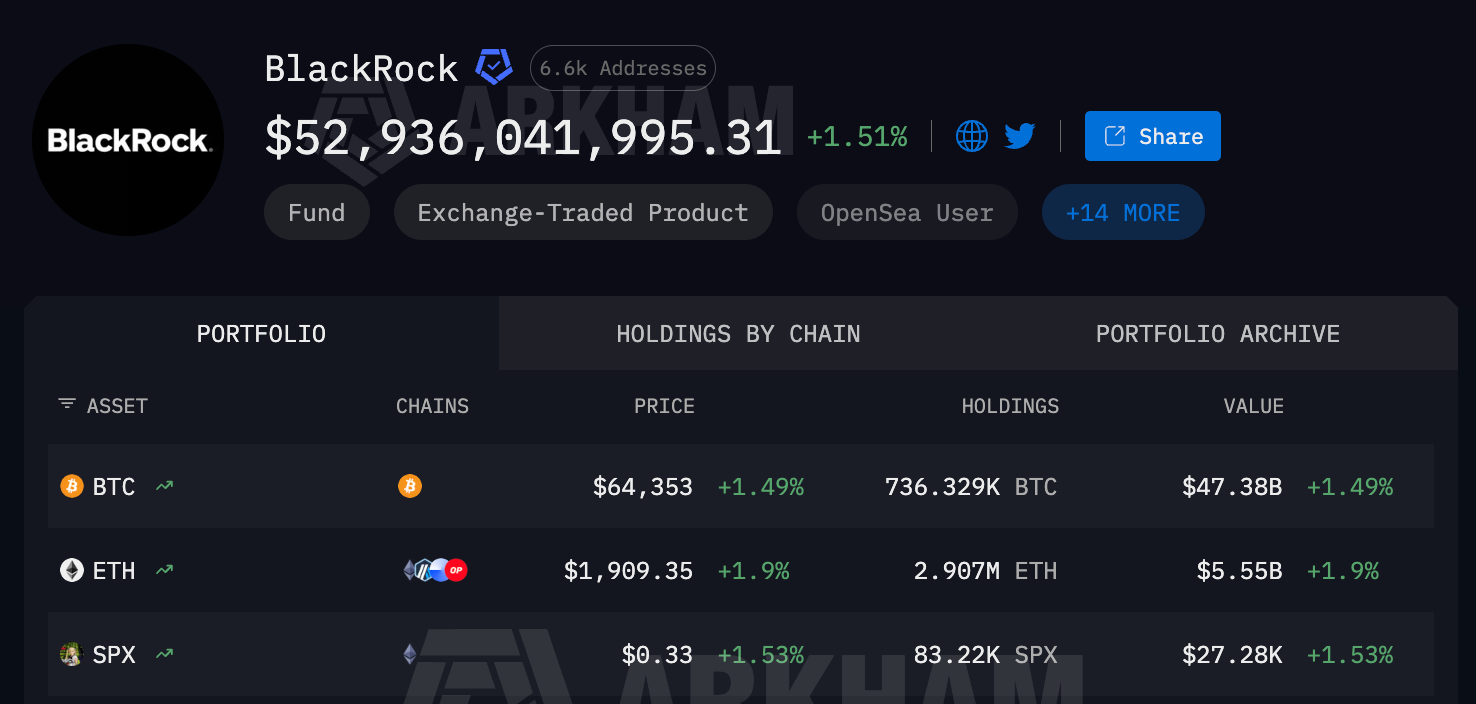
The contrast in corporate treasury strategies also highlights a divergence in institutional appeal: Strategy-style accumulation treats Bitcoin as a static reserve asset, whereas Bitmine turns Ethereum into an active balance-sheet generator by capturing staking rewards.
In Q3 of 2026, Bitmine’s staking revenue hit $45.7 million, representing 98% of all the company’s revenue. Bitmine has been able to continue acquiring Ethereum during market lows, whilst Strategy has paused BTC purchases for five weeks.
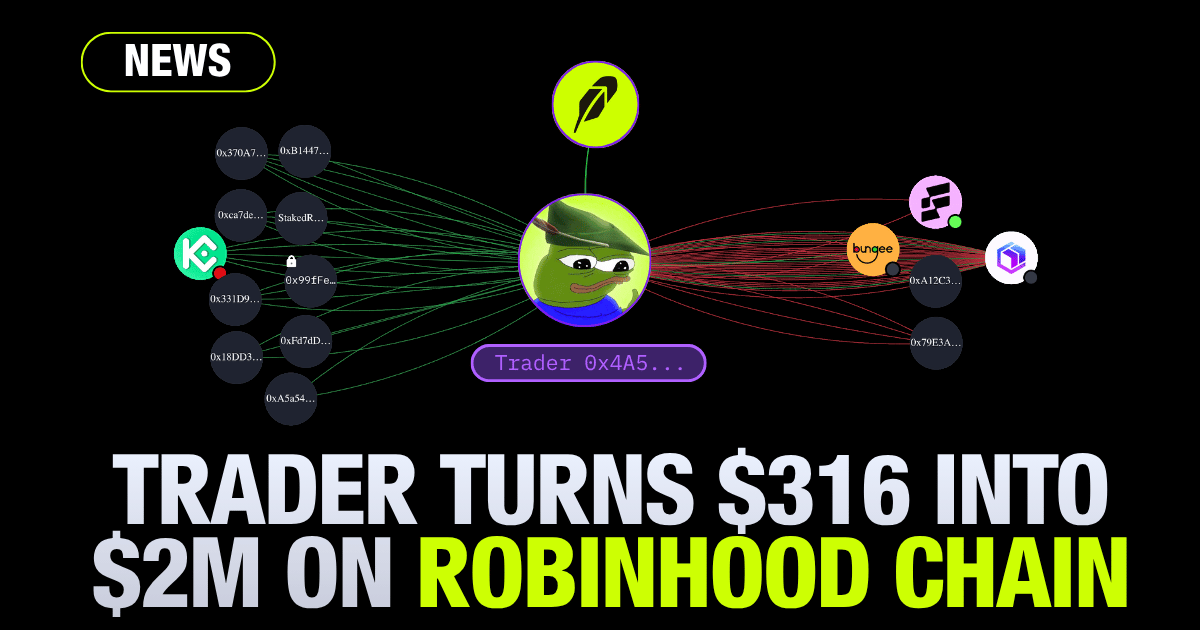
This combined with Ethereum’s expanding L2 ecosystems - Robinhood launching its own Ethereum layer-2 (Robinhood Chain) - shows ETH is positioning itself as yield-producing financial infrastructure.
Robinhood Chain is now supported on Arkham’s mutli-chain block explorer. You scan transfers, addresses and entities all on Robinhood Chain.
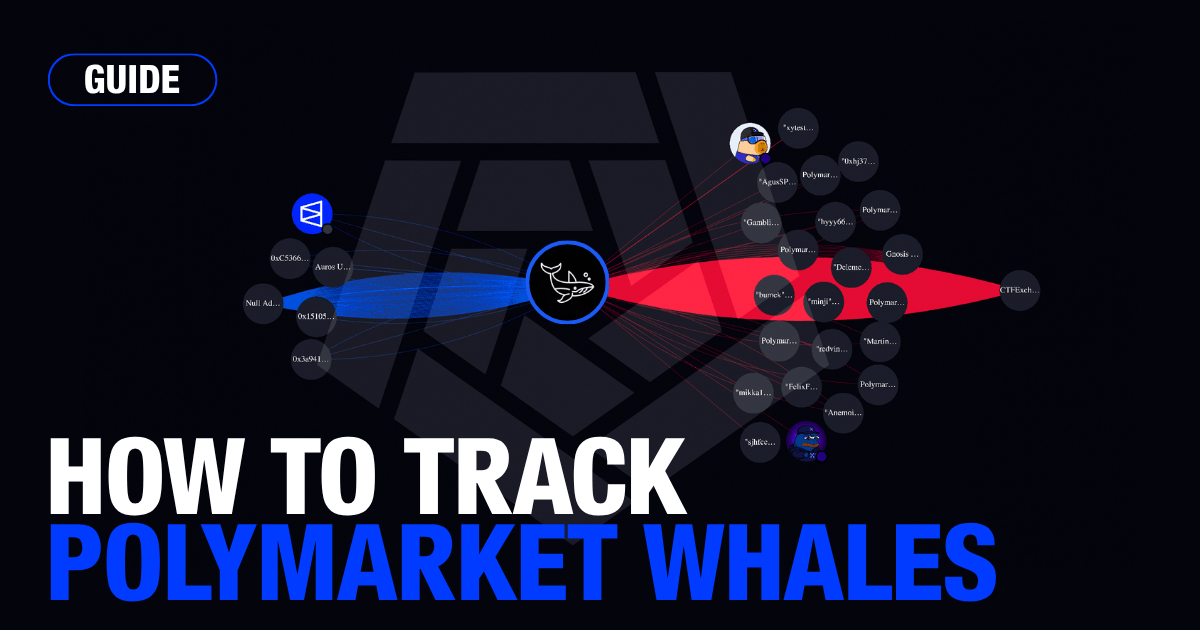
Users can examine BlackRock’s full portfolio, recent transfers, counterparty relationships, and historical balance using Arkham. Continuous monitoring of labeled wallets remains one of the clearest windows into how large institutions are positioning across digital assets.

.png)











.jpeg)

.png)









.png)





.jpg)

.jpeg)









.png)

.jpg)

.png)

.png)

.png)
.png)
.png)

.png)
.png)