September 1, 2026
at
12:25 pm
EST
MIN READ
How Robinhood Chain Became the Top Fee-Earning Blockchain
Robinhood Chain has surged to the top of on-chain fee rankings, generating $2.13 million in chain fees over the past 24 hours according to data from DeFiLlama.
Chain fees are the gas fees paid by users to execute transactions on a blockchain. They are different to application fees, which are charged by protocols operating on the network.
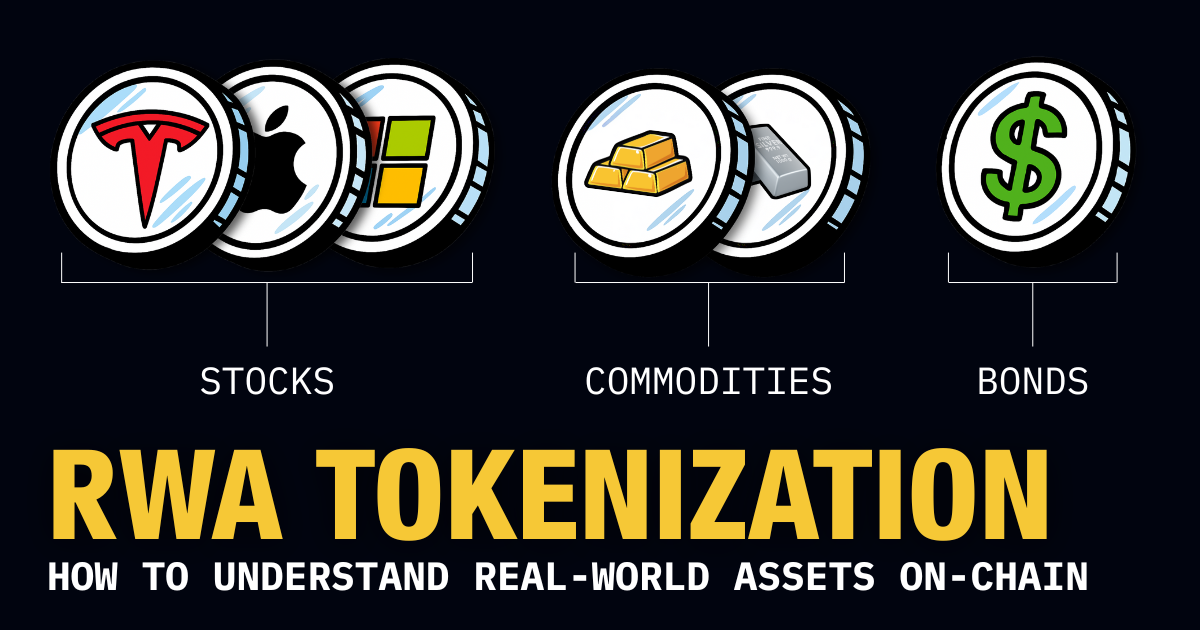
Initially designed around RWA tokenization and tokenized stock trading, Robinhood Chain has evolved into one of the most active venues in DeFi, outpacing more established Layer-1 and Layer-2 blockchains including Solana, Base, and Ethereum in fee generation over the last 24 hours.
The network's fee generation has coincided with a surge in transaction activity and DEX trading volume, with protocols such as Uniswap, Pons, and GMGN being popular. Memecoins have been integral to this growth, with Robinhood Chain processing a record 5.52 million transactions on August 30.

DEX Volume and Capital Inflows
Chain fees are driven by the number and complexity of transactions being executed on the network.
Robinhood Chain registered $1.49 billion in 24-hour DEX trading volume, placing it second across all chains, behind Solana. This activity has helped drive a sharp increase in transactions across the network as users trade, launch, and provide liquidity for a growing number of tokens.
Additionally, Robinhood Chain's total value locked (TVL) has risen to $740 million, representing a 23% increase over the last week.
The scale of activity is notable given the recent launch of the network on July 1st. Rather than being driven exclusively by tokenized stocks and other RWAs, activity has developed around speculative token trading.
Memecoin Activity
Memecoin activity has become one of the defining features of Robinhood Chain's growth.
Pons, a token launch and trading platform, has emerged as one of the chain's largest applications. GMGN has also attracted significant trading activity, while Uniswap provides liquidity for a broad range of tokens.
Pons alone launched approximately 22,600 tokens on August 30, contributing to the record transaction count across the network.
This activity creates a large number of on-chain transactions. Token launches, swaps, liquidity operations, and other smart contract interactions all require transactions to be processed by the network, contributing to gas consumption, and chain fees.
The result is a feedback loop between speculative trading activity and blockchain usage: more tokens create more trading opportunities, which generate more transactions.
Memecoins Paired Against Tokenized Stocks
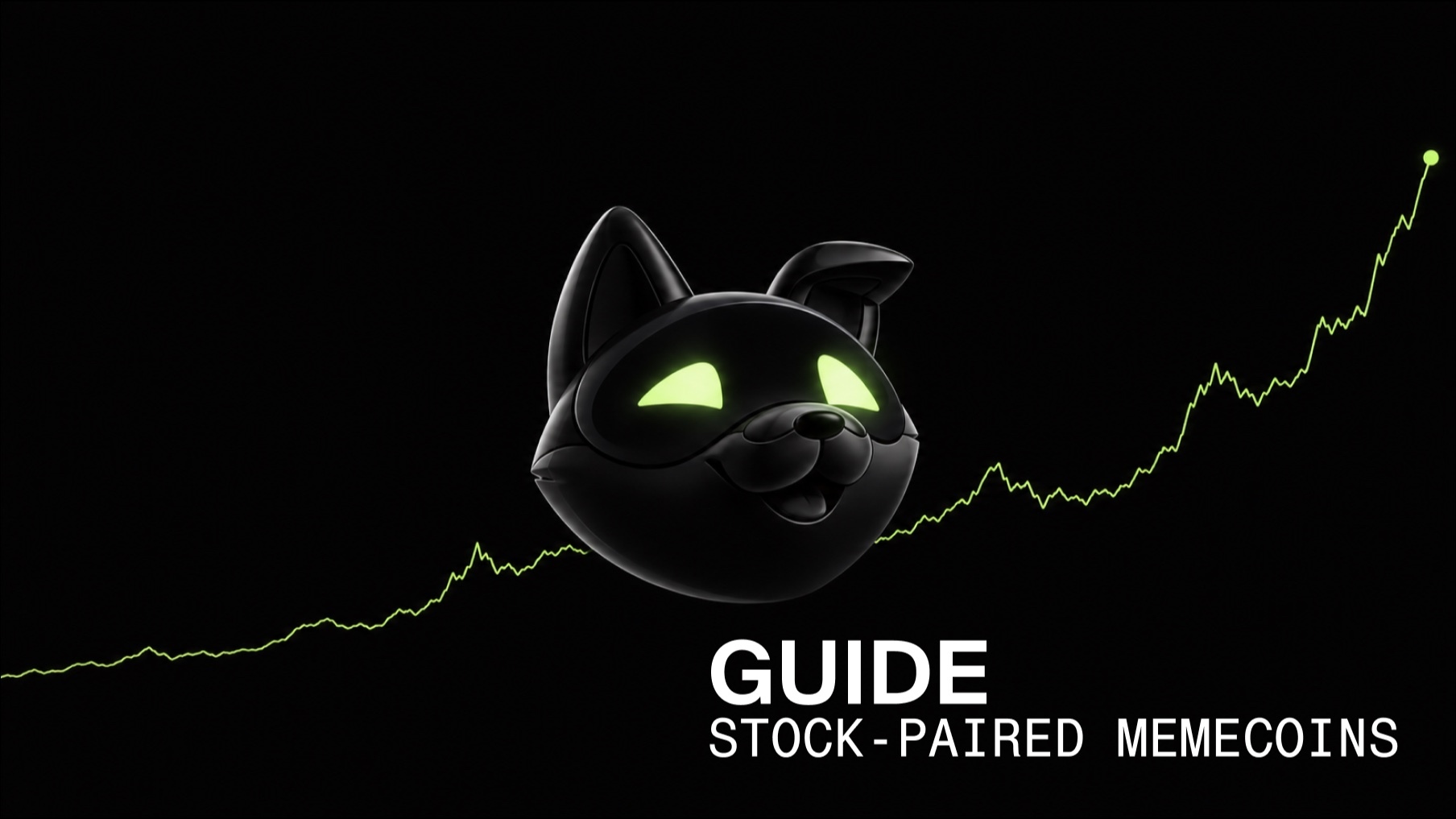
One of the catalysts behind the network's liquidity surge is a new trading meta: pairing memecoins against traditional tokenized stocks.
This means that rather than executing swaps solely against native assets (SOL) or stablecoins (USDC), decentralized liquidity pools on Robinhood Chain can pair new tokens with tokenized stocks.
For example, Artificial Inu is a recently launched memecoin with a market cap of $184 million that has been paired with tokenized NVIDIA stock. This allows traders to speculate on a meme asset while using representations of traditional stocks as liquidity
The Applications Driving Activity
GMGN generated $1.11 million in application fees over the last 24 hours, while Pons generated $930,000 and Uniswap generated $307,000.
Together, the three applications generated more than $2.34 million in application fees, accounting for approximately 88% of Robinhood Chain's total application revenue.
These figures are distinct from the $2.13 million in chain fees. Application fees are paid to individual protocols, while chain fees are paid as gas to execute transactions on Robinhood Chain.
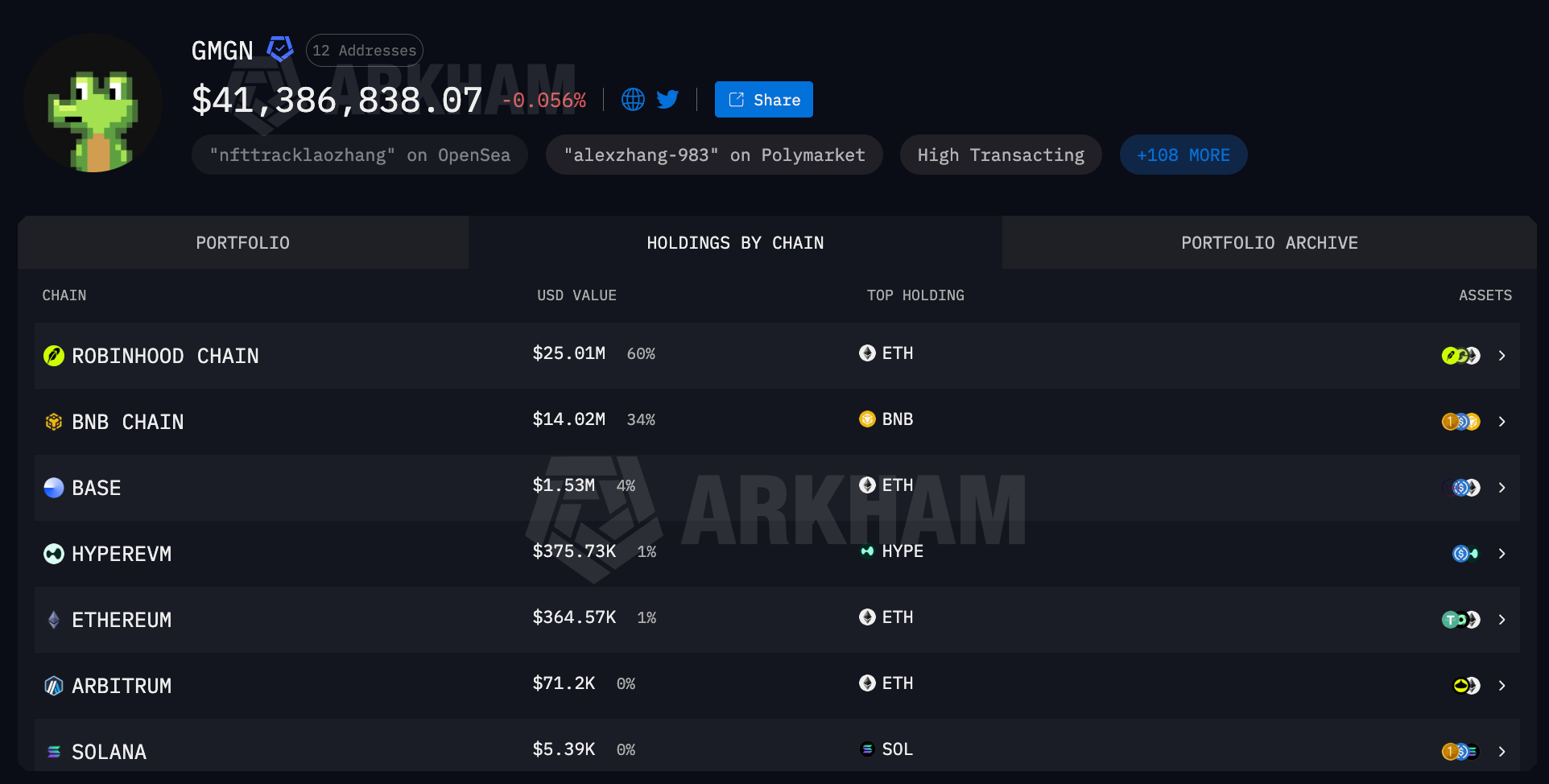
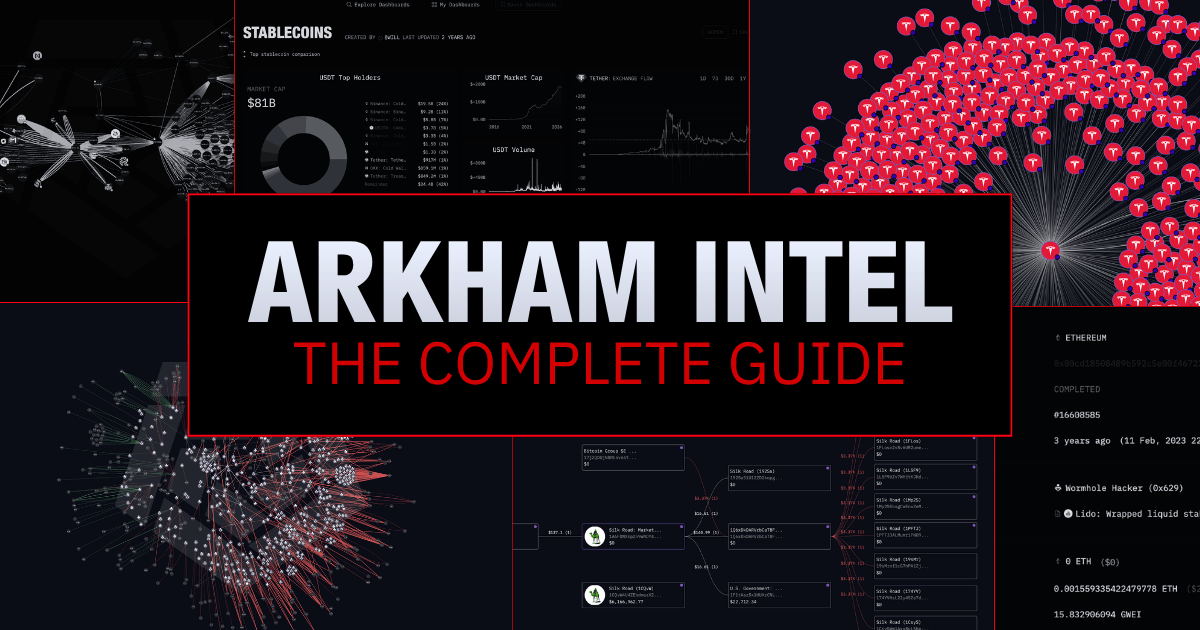
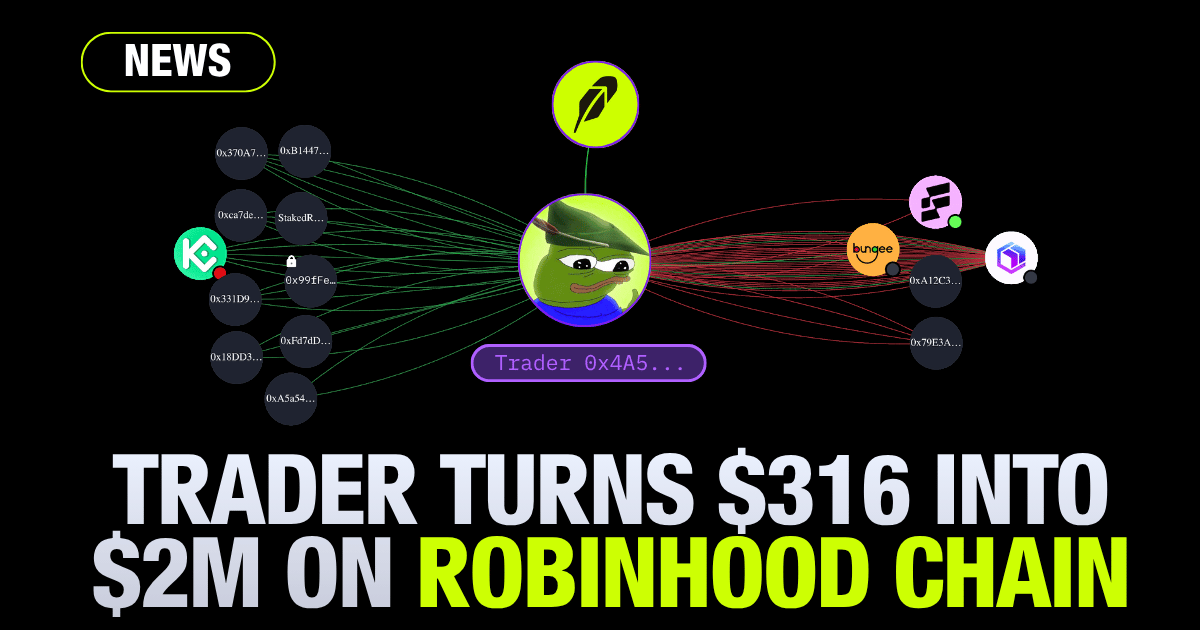
Tracking Robinhood Chain Flows on Arkham
As on-chain activity escalates, tracking entity balances, whale accumulations, and smart contract flows can give traders an edge.
Robinhood Chain is integrated into Arkham's multi-chain explorer. Analysts and traders can use the platform to:
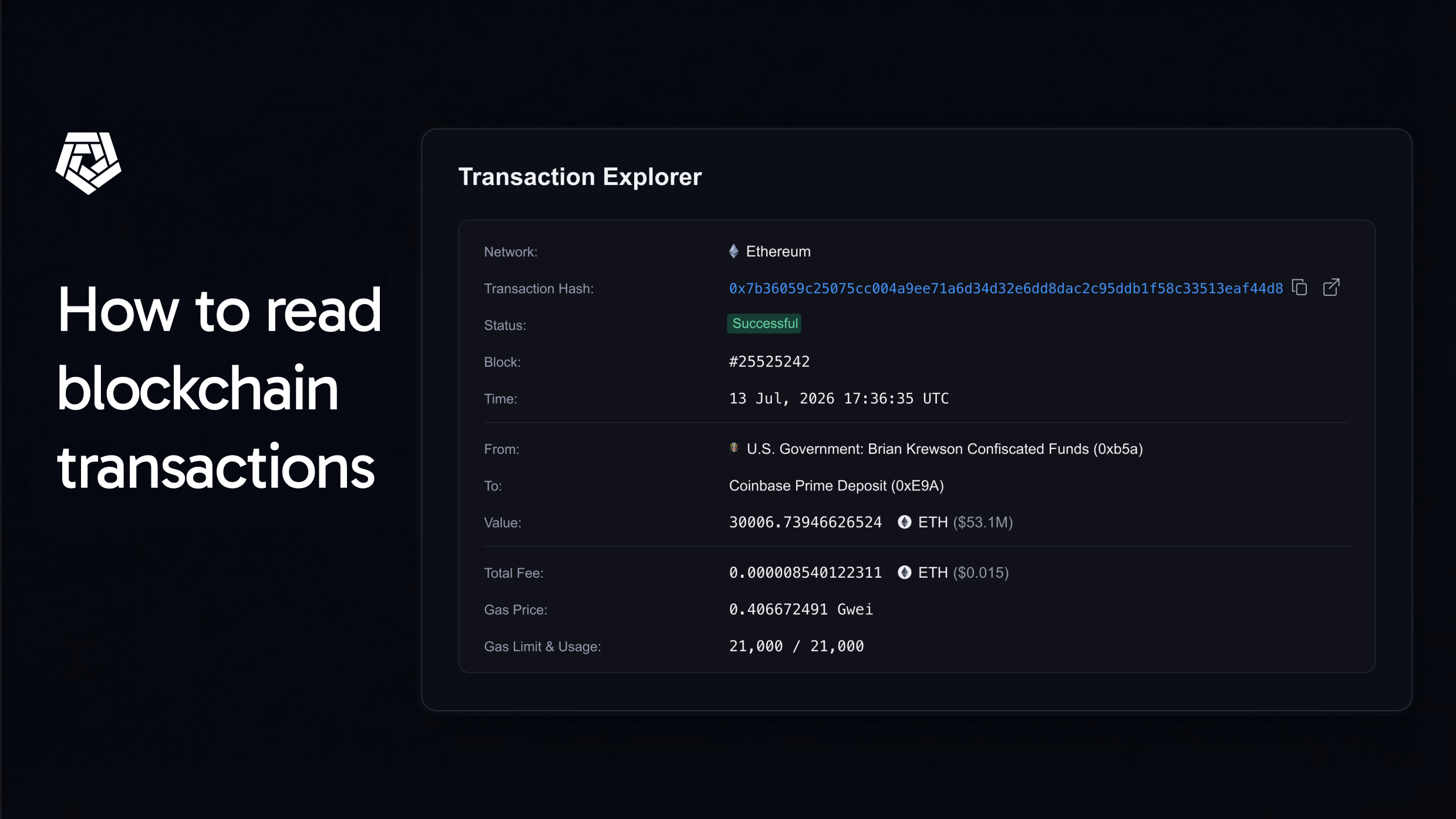
- Track transaction hashes (TXIDs) to verify payments and smart contract executions in real time.
- Monitor top holder concentration and token distribution across leading assets to identify whale accumulation.
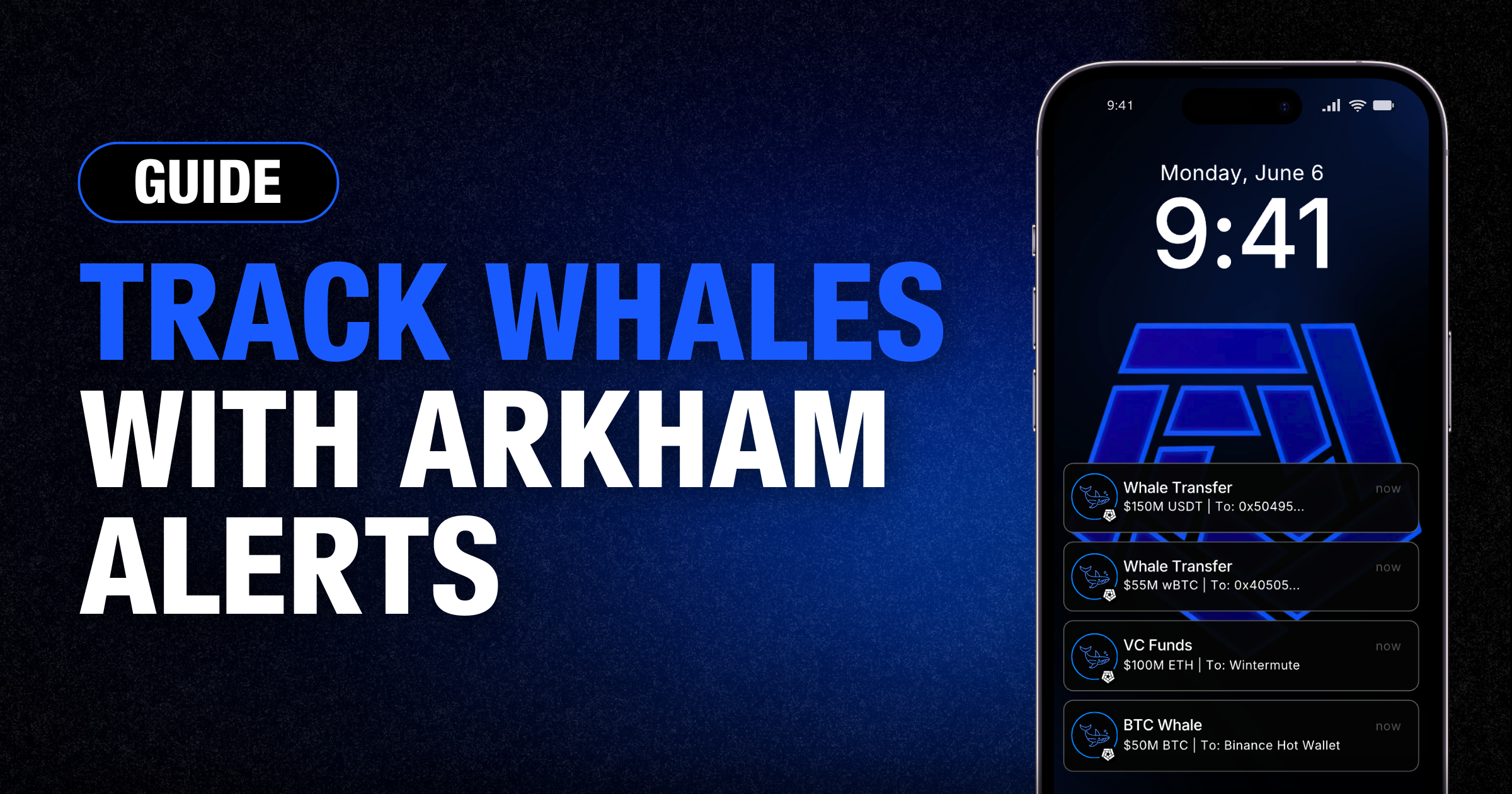
- Configure custom alerts to track large transfers, liquidity movements, and activity involving wallets and entities across the network.
Whilst the chain began as a network intended for tokenized stocks and real-world assets, it has developed into a memecoin hub. With $2.13 million in chain fees generated in just 24 hours, Robinhood Chain is now one of the most economically active blockchains in crypto.

.png)



.png)






.jpeg)



.jpg)
.jpeg)





.png)
.jpg)


.png)
.png)


.png)
.png)
.png)
.png)

.png)
.png)


.png)
.png)
.png)
.png)