August 24, 2026
at
10:55 am
EST
MIN READ
Strategy Sells $2B in MSTR Stock, Establishes $1.59B "USD Cash" Account

Strategy (formerly MicroStrategy) raised approximately $2 billion through the sale of common stock last week, using the capital to fund preferred share buybacks, expand its fiat reserves, and set up a new multibillion-dollar cash buffer.
According to an 8-K filing with the SEC on Monday, the corporate Bitcoin treasury firm sold 18,261,118 MSTR shares between August 17 and August 23, without buying or selling any Bitcoin during the period.
The company allocated $136.4 million of the net proceeds toward repurchasing shares of its STRC perpetual preferred stock, continuing efforts under its Digital Credit Capital Framework to stabilize the security after it spent recent months trading under its $100 par value.
An additional $300 million was used to boost Strategy’s designated USD Reserve to $5.1 billion, up from $4.8 billion reported last week.
The remaining $1.59 billion went toward establishing a "USD Cash" liquidity facility. In the filing, Strategy explained that this USD Cash reserve is a separately managed pool of dollar liquidity retained for broad treasury operations. Strategy said the funds may be deployed for general Bitcoin Treasury Company purposes, which include purchasing Bitcoin, paying cash dividends on preferred shares, covering debt interest, repurchasing MSTR common or preferred stock, redeeming outstanding convertible notes, or further building out the formal USD Reserve.
The company has faced scrutiny recently over its roughly $1.76 billion in annual interest and dividend obligations. In the last month, Strategy has sold 3,328 BTC in two separate transactions worth just over $100 million each.
Strategy’s Bitcoin treasury remains at 840,447 BTC, representing approximately 4% of Bitcoin’s total 21 million supply. The stack was acquired at an average purchase price of $75,385 per coin for a total cost of roughly $63.4 billion, inclusive of fees and expenses.
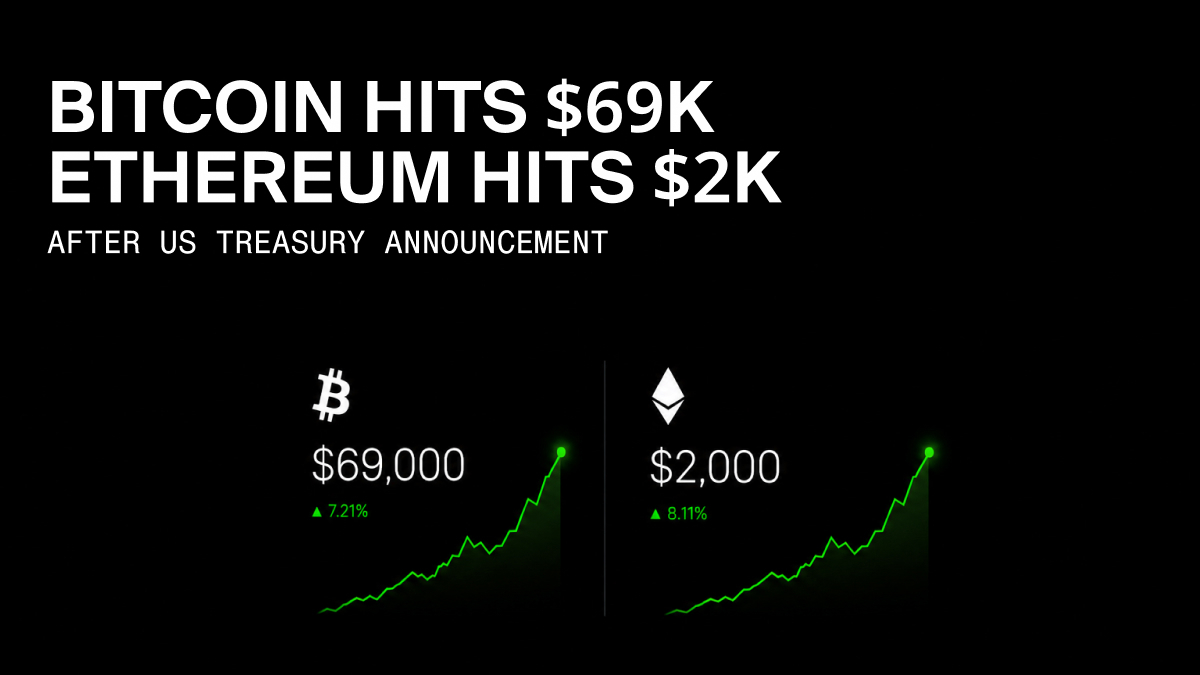
Bitcoin’s recent rally - going from $64 to $79K in five days - lipped Strategy’s balance sheet back into the green, generating roughly $2.4 billion in unrealized paper profits and erasing the paper losses of previous weeks.

.png)










.jpeg)






.jpg)



.jpeg)







.png)












.png)

.jpg)






.png)

.png)




.png)


.png)
.png)
.png)


.png)
.png)









.png)
.png)
.png)

.png)





.png)