October 2, 2026
at
11:25 am
EST
MIN READ
API Use Cases: Step-By-Step Guides For On-Chain Intelligence Workflows
.jpeg)
Arkham has launched API Use Cases, a new section of the API documentation with step-by-step guides for the most valuable tasks users actually run, organized by who you are and what you're trying to do.
Each guide walks through a handful of the most common and most effective API calls: the request to make, the response you get back, and exactly what to look for in the output.
What's Inside the Intelligence API
Guides for traders - investors, market makers, prop shops, hedge funds and OTC desks - include:
- Inflow & Outflow Monitoring: are coins piling into an exchange, or draining out of it?
- Portfolio Monitoring: what is a portfolio worth over time, and which coins moved between two dates?
- Competitor Analysis: which rival firms moved the most this week, which way, and with whom?
- Counterparty Due Diligence: who does a counterparty trade with, and is any of it flagged?
Example: Exchange Flows
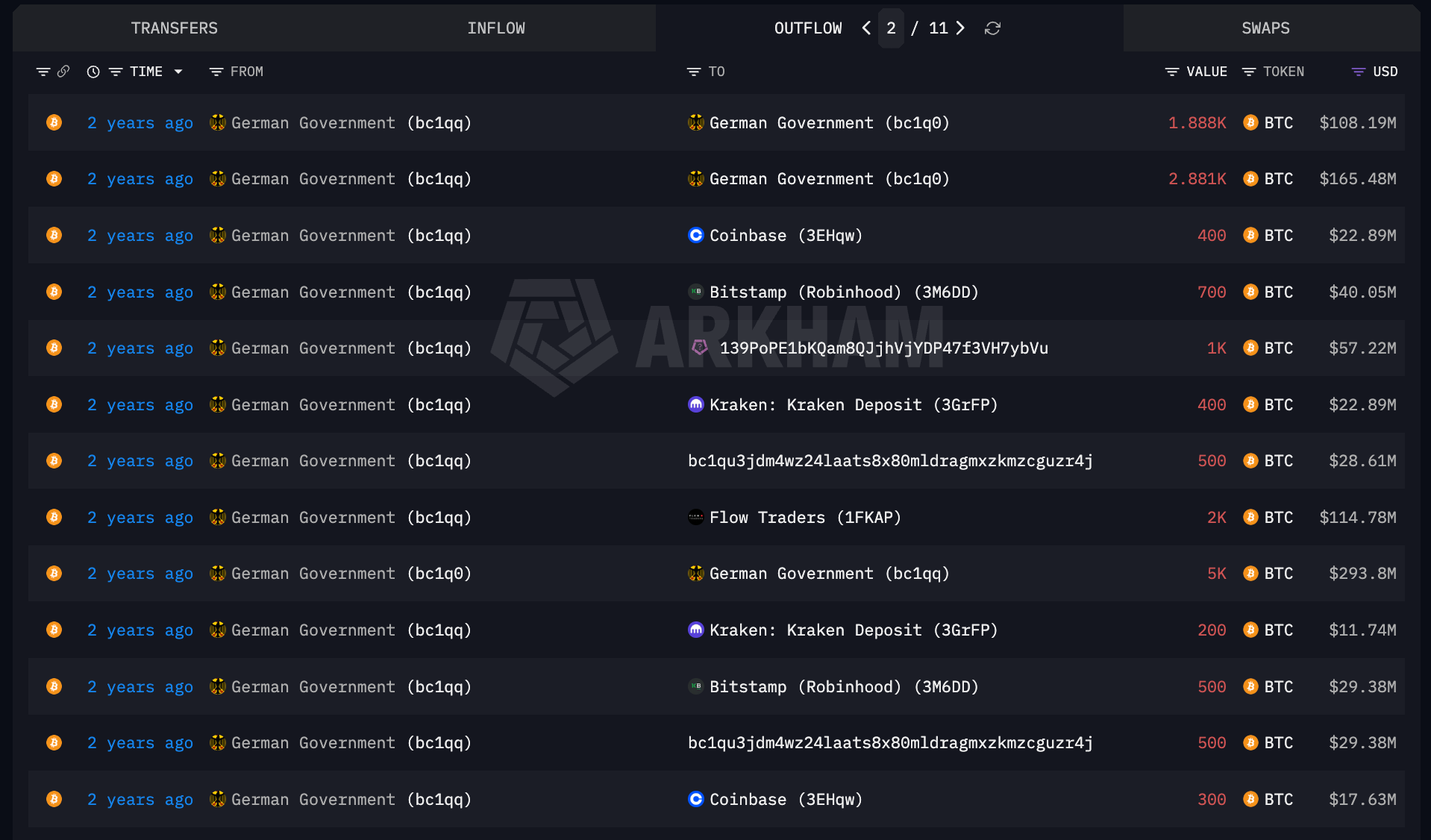
In June 2024, wallets labelled under the German Government entity on Arkham began moving the 50,000 BTC seized from piracy site Movie2k.to to Coinbase, Kraken, Bitstamp and other exchanges.
Every transfer was visible in real time - and traders who watched the flows saw the selling pressure before it hit, with BTC dipping below $60,000 as the news spread. By mid-July the full stack was sold for approximately $2.9 billion, transaction by transaction, in public.
With the API, you can be alerted to these kinds of movements immediately, and position yourself way ahead of the market.
Builders - DeFi, CeFi, chains, custodians and infra providers:
- Know Your Users: Who actually uses your product, what are they worth, and when did they last use it?
- Competitor Analysis: Who deposits into a competitor - and is that money growing?
- Counterparty Due Diligence & Compliance: Which addresses in your product are flagged, and why?
Example: Know Your Users
Arkham's reporting on the recent Revolut breach showed exactly what labelled wallets expose. Because Revolut's crypto operations run through identifiable wallets, flows in and out can be observed by anyone - and the hacker confirmed using on-chain analysis to identify 680 high-value account holders before compromising the Italian email system.
The Know Your Users guide can give builders the same view of their own product, and allow them to protect their business before any breach.
Brokers - CEXs, DEXs, prediction markets, wallets and aggregators:
- User & VIP Intelligence: Who are your customers, how much of their business do you hold, and who has gone quiet?
- Transaction Monitoring & KYC/B: Which wallets funding your venue are flagged, and where did their money come from?
- Hyperliquid Trader Sourcing: Who are the biggest traders on Hyperliquid - and who is behind each wallet?
Example: Hyperliquid Trader Sourcing
In May 2025, pseudonymous trader James Wynn built a $1 billion, 40x-leveraged Bitcoin long on Hyperliquid - one of the largest public perp positions in crypto history.
Now, anyone can track any Hyperliquid trader’s entry, unrealized PNL and liquidation price in real time. When James Wynn unraveled, Arkham flagged his $100M liquidation immediately.
With the API, this kind of intelligence is built right into your systems.
Investigators - compliance teams, law enforcement, analysts and journalists:
- Money Laundering & Illicit Finance (AML): Where did a case's money go, and where do its addresses converge?
- Ransomware & Cybercrime Investigations: Who is behind a ransom address - and is paying it a sanctions problem?
- Darknet & Illicit Marketplace Investigations: Who paid a darknet market, who did it pay, and how much of that can be named?
Example: Cybercrime Investigations
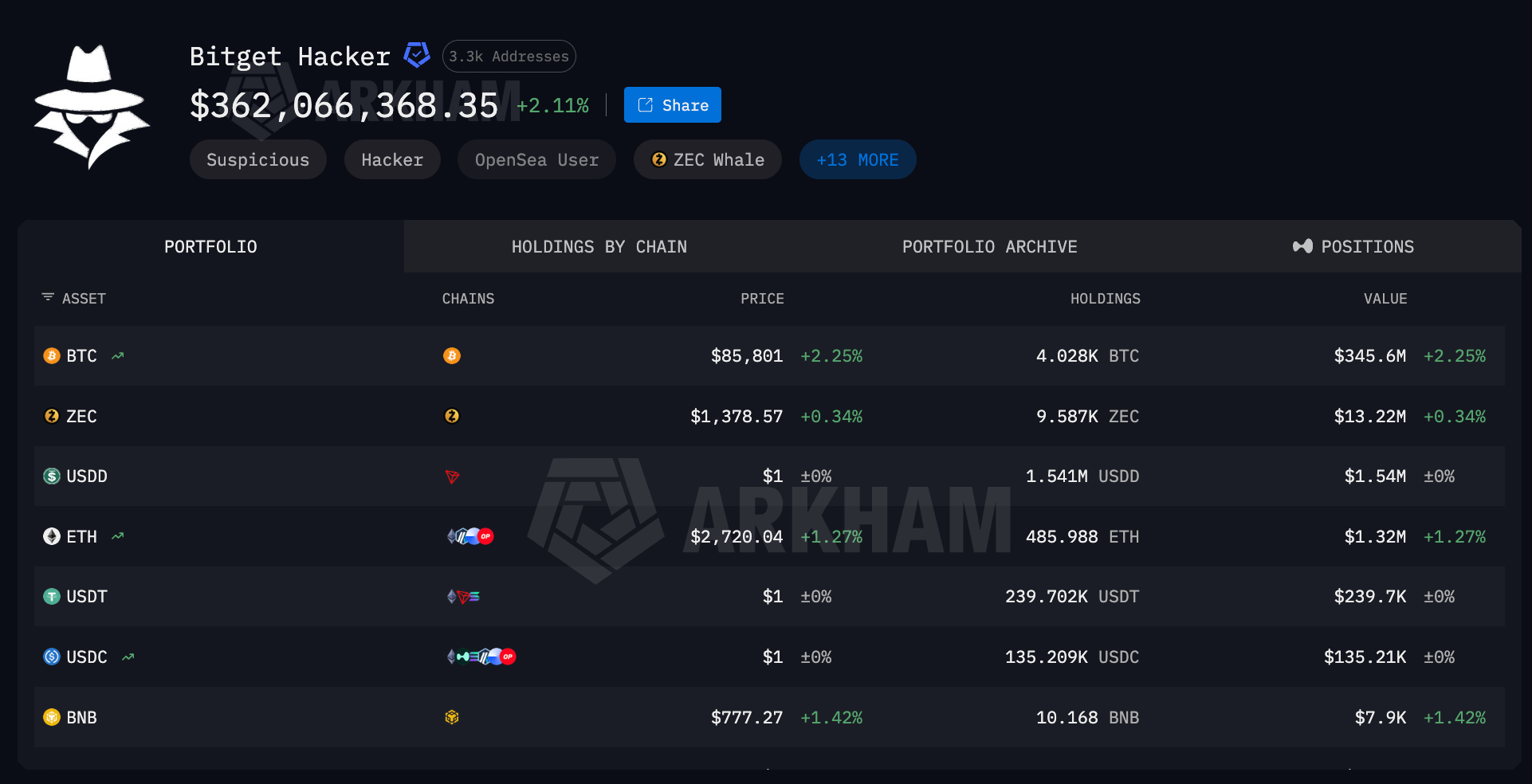
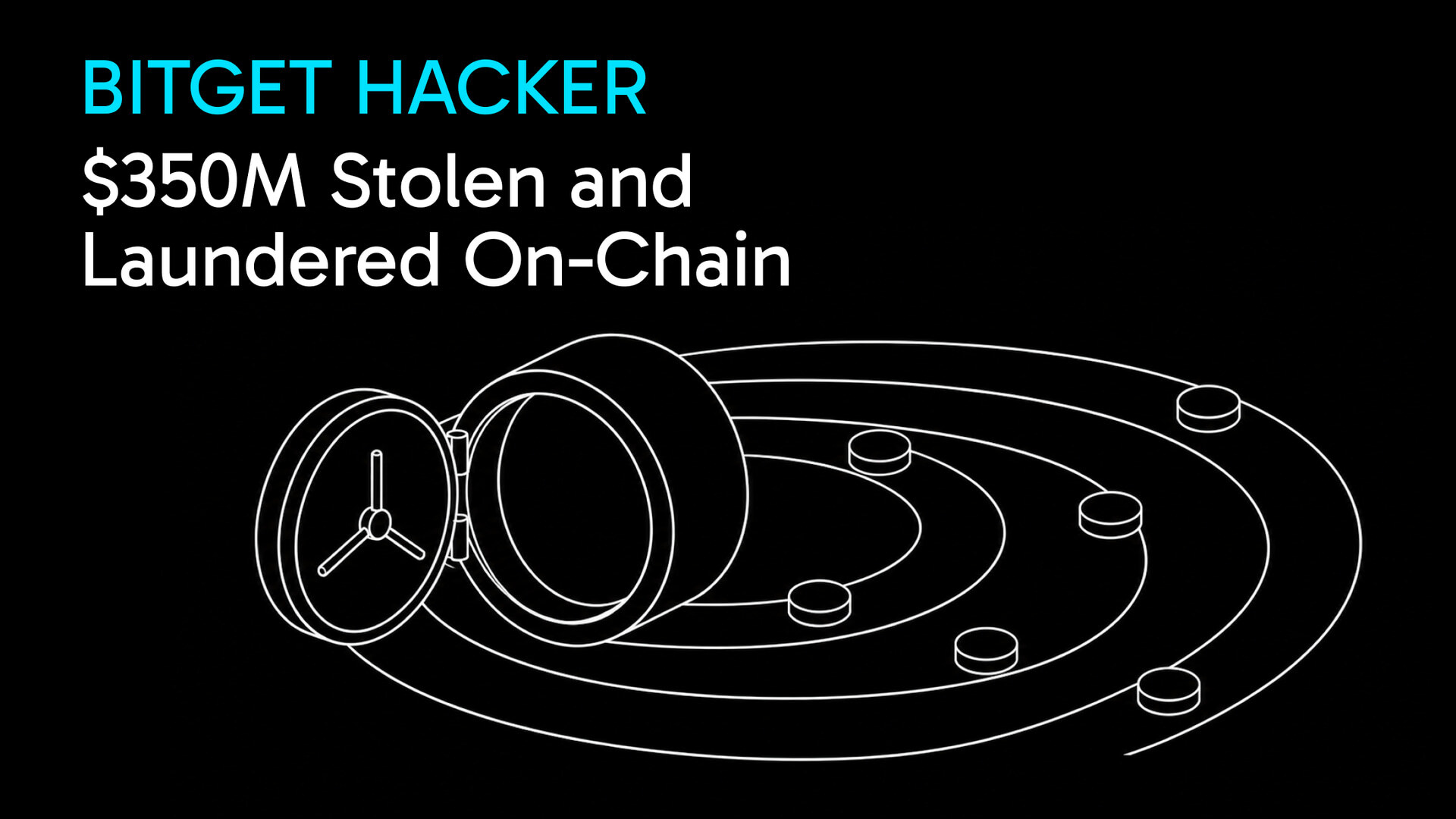
When Bitget was drained for $387.5M in September 2026, Arkham quickly converted all the attacker’s addresses into a single entity: Bitget Hacker. From there, it was an easy task for our sleuths to track the stolen funds as they moved from wallet to wallet, and went through multiple cross-chain bridges.
If you are building a full compliance workflow, or tracking stolen funds, the Arkham API gives you a headstart over everyone else.
How To Get Started
Sign up for API access at arkm.com/api, then explore the full set of guides in the API documentation.

.png)








.jpg)



.jpeg)








.png)















.png)


.jpg)






.png)

.png)




.png)


.png)

.png)
.png)


.png)
.png)









.png)
.png)
.png)

.png)





.png)