September 23, 2026
at
5:50 am
EST
MIN READ
Stock-Paired Memecoins / Tokenized Stock Memes: What's the Point?
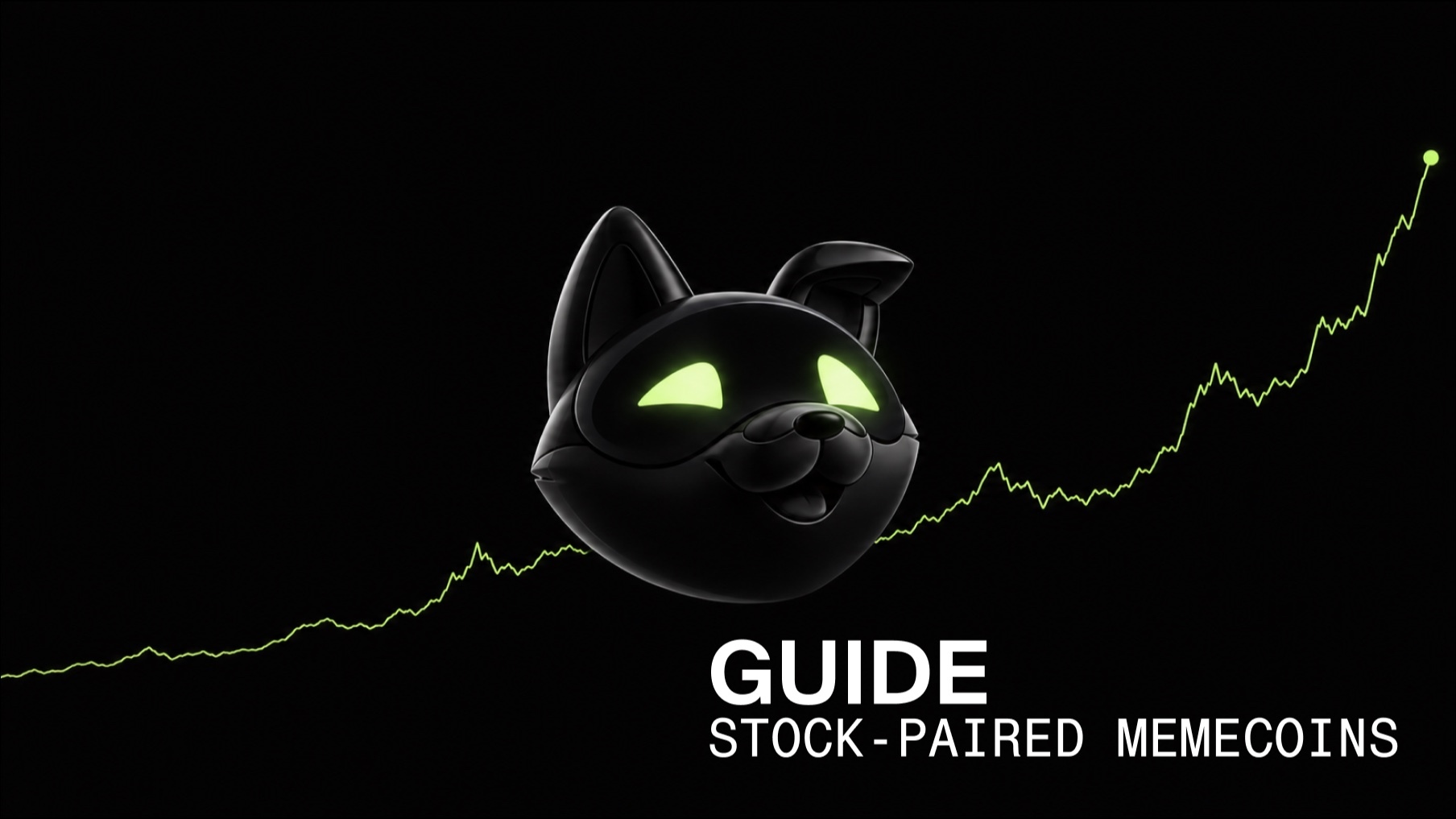
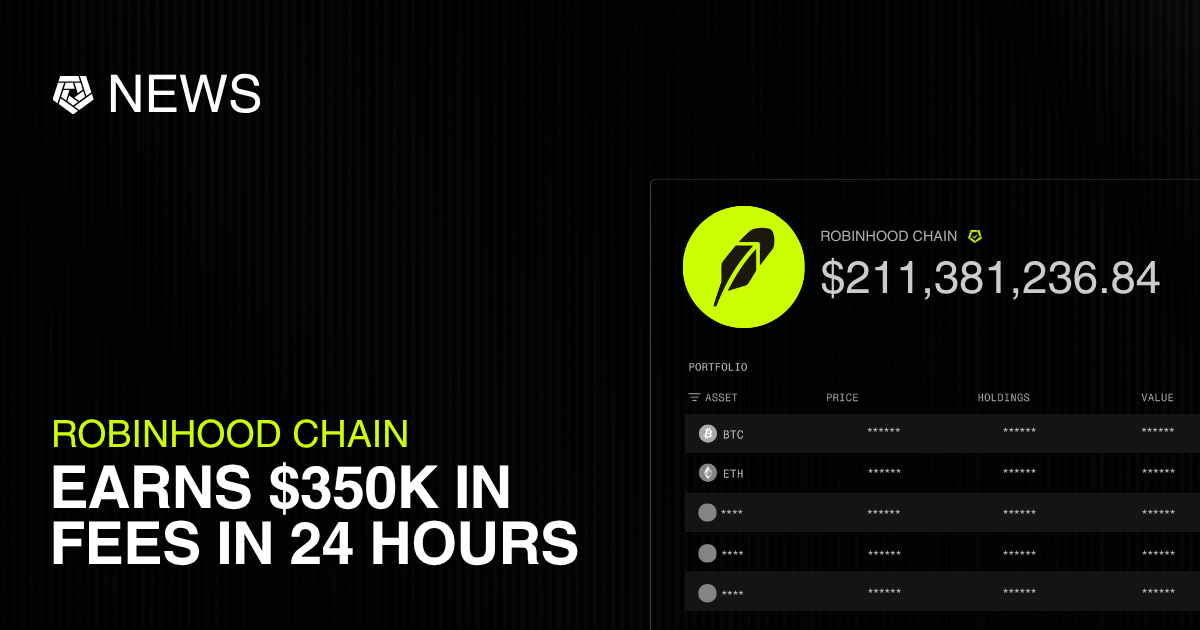
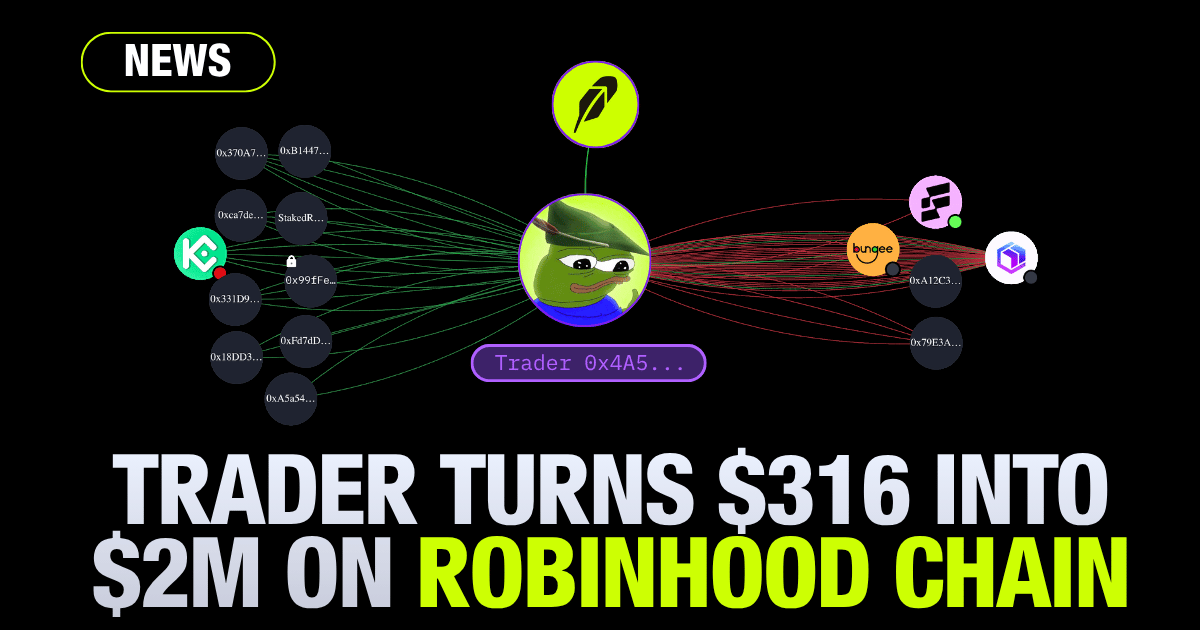
Stock-paired memecoins are a new kind of speculative token that have become popularised by protocols operating on Robinhood Chain.
The gist of stock-paired memecoins is that rather than trading against native crypto assets, like SOL, or stablecoins, like USDC, they trade against real-world stocks, like NVDA.
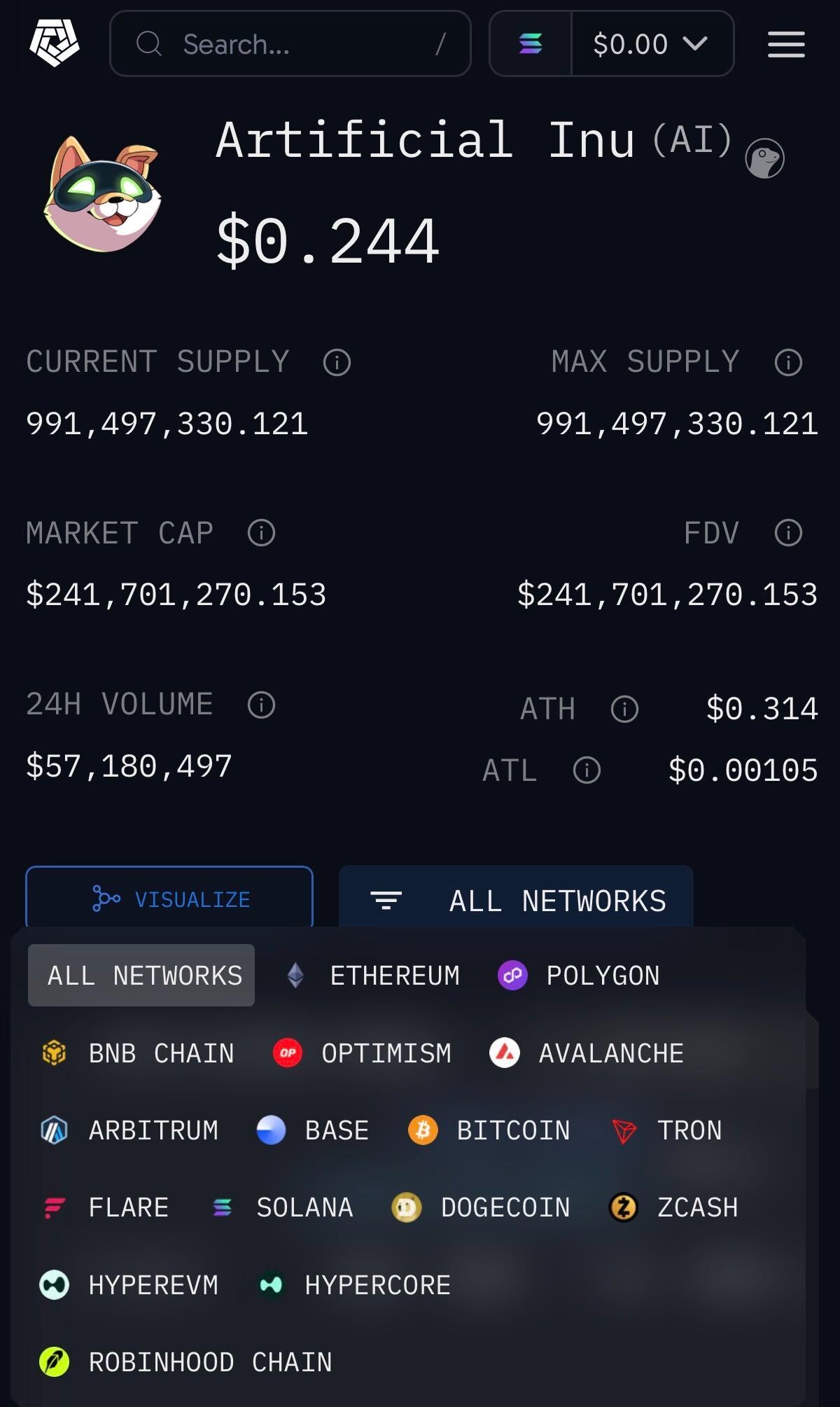
For example, a recent popular stock-paired memecoin is Artificial Inu ($AI). Artificial Inu is paired against Nvidia ($NVDA). Crucially, Artificial Inu is paired against tokenized NVDA, not actual Nvidia stock.
The Mechanics
In the example above, AI is the base asset and tokenized NVDA is the quote asset.
At the time of writing, AI has a market cap of $240 million. However, this is a dollar-denominated market cap. More accurately, the market cap of AI is 1.06 million tokenized Nvidia shares.
In other words, 1 AI token is worth 0.001073 NVDA. When it comes to trading, the relationship between the two assets in the pair is worth understanding.
The Liquidity Pool
To understand how trades actually happen, you have to look at the automated market maker (AMM) pool.
When you buy or sell AI, you aren't trading with another person via an order book. Instead, you interact directly with a smart contract that holds a reserve of both AI tokens and tokenized NVDA shares.
The pool sets the price through a balance ratio. If traders want AI, they put tokenized NVDA into the pool and pull AI out. Because there is now less AI and more NVDA sitting in the contract, each remaining AI token automatically costs more tokenized Nvidia shares for the next buyer. If someone sells AI back into the pool, the reverse happens.
Crucially, the liquidity pool’s reserves only track this relative ratio - it doesn't inherently care what Nvidia stock is doing on Wall Street, only how much of each asset is locked inside the contract.
The Connection to the Real-World Stock
Even though the AMM pool operates entirely on-chain, AI's dollar value is still tethered to the real-world performance of Nvidia stock.
Because the pair is AI/NVDA, AI’s fiat price is calculated by multiplying its price in tokenized NVDA by the dollar price of an actual Nvidia share.
If Nvidia surges on a strong earnings report and the stock jumps 10%, the dollar price of AI will rise 10% as well - even if nobody trades a single AI token. Conversely, if Nvidia stock drops, the dollar value of AI drops with it. In practice, this turns the memecoin into an ultra-volatile, leveraged bet on the underlying equity: any real-world momentum behind Nvidia gets amplified by the speculative trading inside the crypto pool.
Conclusion
Stock-paired memecoins are a fresh new crypto innovation, originating from Robinhood Chain but spreading to other chains (BSC).
The innovation combines various different blockchain technologies - RWAs, memecoins, AMMs - into a new, high-beta product that crypto-natives can speculate on.

.png)




.png)




.png)


.jpg)



.png)
.png)


.png)

.png)

.png)
.png)
.png)
.png)


.png)
.png)
.png)
.png)


.png)

.png)