October 8, 2026
at
9:15 am
EST
MIN READ
How To Buy Bitcoin Safely

This article is for informational purposes only and does not constitute financial, investment, or legal advice.
SUMMARY
- Common ways to buy Bitcoin are through a cryptocurrency exchange, a spot Bitcoin ETF, or shares in a Bitcoin treasury company, each with different security tradeoffs.
- There are a variety of different methods to hold Bitcoin, with the generally considered most secure methods giving users more control over their private keys, such as a cold storage hardware wallets.
- Only Bitcoin held under a private key, such as in a personal wallet, can be considered as actually owning Bitcoin. Instead, shareholders own a financial product that tracks Bitcoin, not the coins themselves.
- Using a blockchain intelligence tool allows a Bitcoin buyer to look up transactions and addresses on the Bitcoin blockchain, helping prevent scams and verify the legitimacy of exchanges.
WAYS TO BUY BITCOIN
There are three main ways to buy Bitcoin in a secure manner, but picking which method to go with depends on what you’re interested in doing with the Bitcoin.
1. Use a Cryptocurrency Exchange
The most common method of buying Bitcoin is going through a cryptocurrency exchange to do so. A centralized exchange allows users to deposit cash, buy Bitcoin at the market price, and either leave the Bitcoin on the exchange or withdraw it to a wallet of their own. The main benefit of using an exchange is accessibility and convenience. Exchanges allow users to deposit cash directly from their bank, offer liquid books so users don’t pay a large spread, and provide customer support to users who need it.
The downside to using an exchange is that exchanges are custodians before they are marketplaces. When users hold their Bitcoin in an exchange account, users are trusting a third party exchange to remain solvent, manage its reserves honestly, prevent hackers from stealing funds, and process withdrawals upon request. Many cryptocurrency exchanges have been hacked or mismanaged in the past, leading to massive losses for users who held funds on these exchanges.
You can use the ‘Centralized Exchange’ tag on Arkham to identify the verified on-chain assets of every major exchange in the world. You should always verify an exchange’s proof-of-reserves before trusting it with your money.
2. Buy a Bitcoin ETF
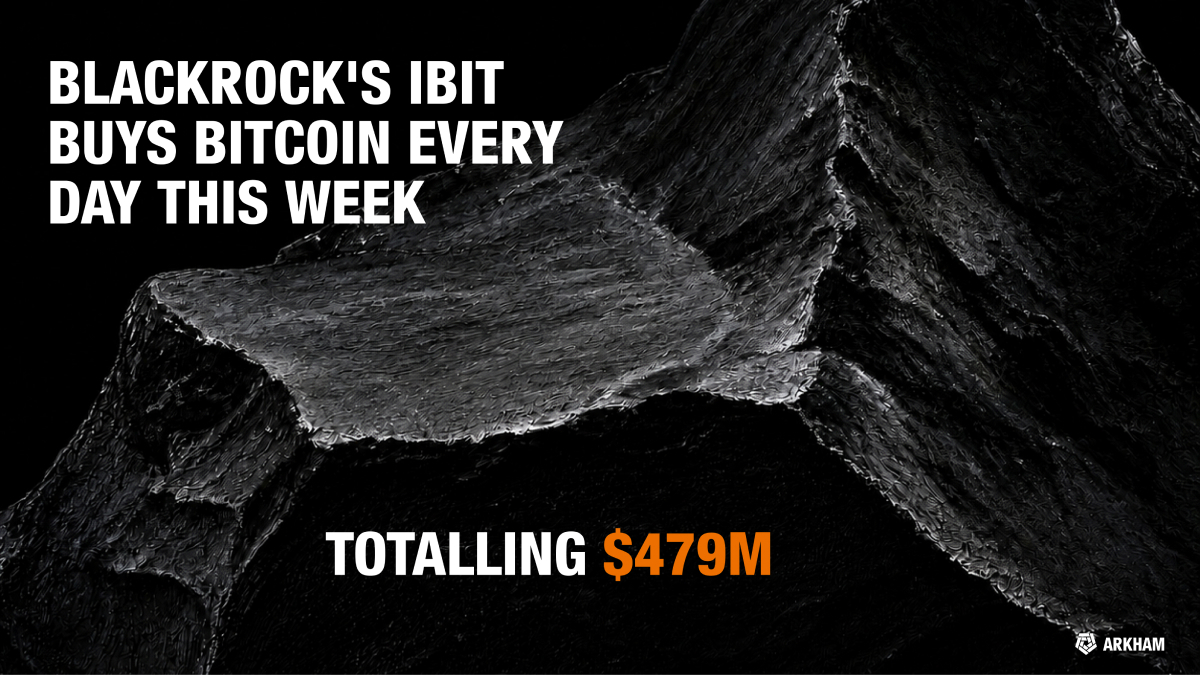
Spot Bitcoin ETFs were released in the US in January 2024 and have had a drastic impact on how investors can get exposure to Bitcoin. Spot ETF funds hold real Bitcoin in a trust structure, and each share of these funds represents a fractional claim on that trust’s Bitcoin holdings. When investors buy a share of one of these funds, they’re buying a security that directly tracks the price of Bitcoin, managed and custodied by a regulated financial institution. It’s worth noting that Fidelity’s FBTC is custodied through its own Fidelity Digital Assets, whereas the vast majority of spot ETFs rely on Coinbase for custody instead.
The appeal of a spot Bitcoin ETF is straightforward. Investors can get exposure to Bitcoin through traditional brokerage accounts, including a retirement account, without needing to set up a wallet, store a seed phrase, and manage withdrawal addresses. This makes Bitcoin a much more accessible product to investors uncomfortable with these responsibilities.
However, this approach does come with its costs. The primary downside is that Bitcoin ETF shareholders don’t own actual Bitcoin. They hold shares in a fund which holds the Bitcoin, and pay an annual management fee to the fund’s managers. Also, the fund can only be traded during stock market hours, despite Bitcoin itself trading 24/7.
You can use the ‘Exchange-Traded Product’ tag on Arkham to identify the verified on-chain assets of every major crypto ETP provider in the world.
3. Buy Strategy or Other Bitcoin Treasury Companies
Several public companies have adopted Bitcoin as a treasury asset, using stock and debt offerings in order to buy and hold significant amounts of Bitcoin on their balance sheet. By buying shares of these companies, investors can gain exposure to Bitcoin’s price movements.
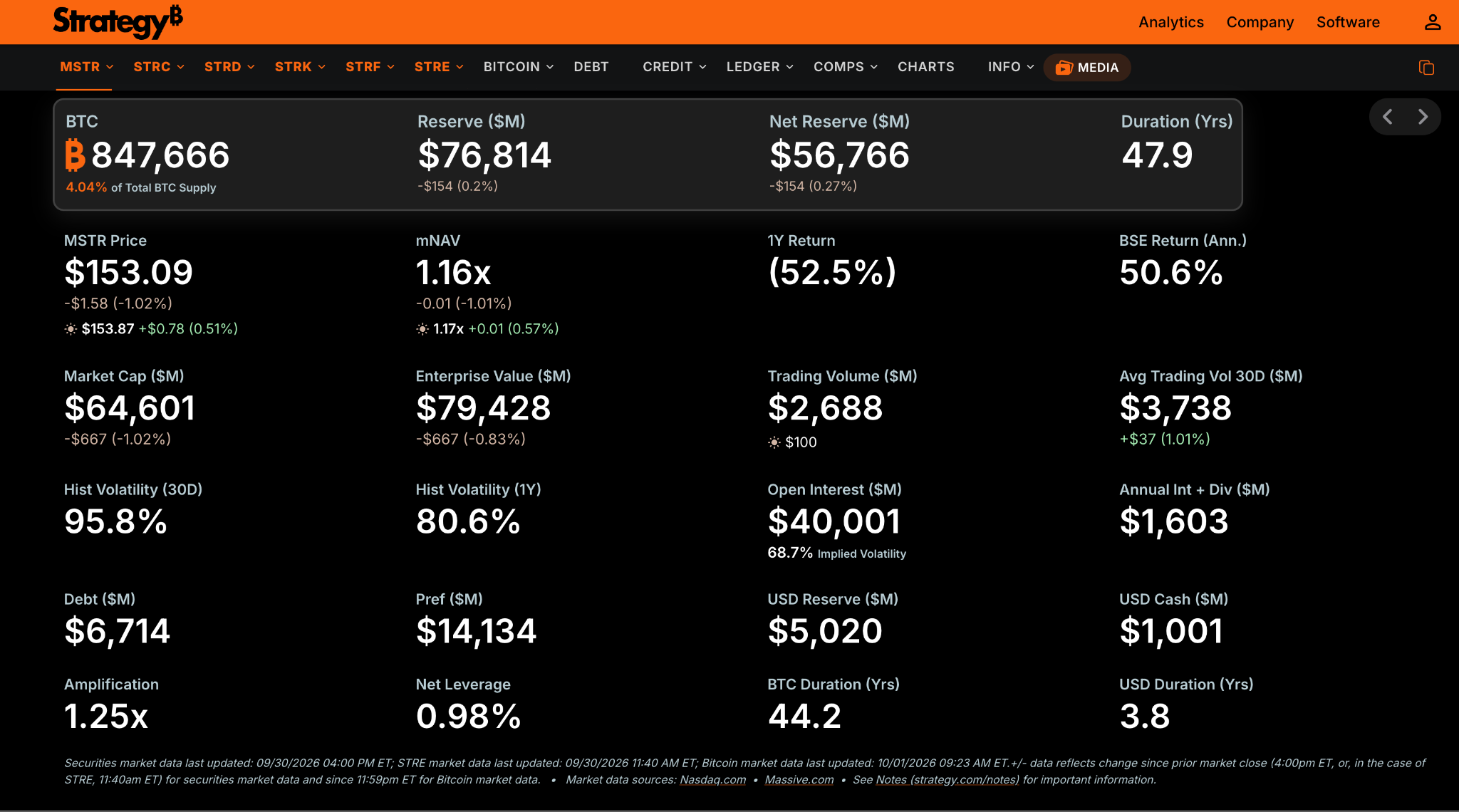
Strategy (formerly known as MicroStrategy) is the leader in this space. Strategy has established itself as the largest corporate Bitcoin holder with 847,666 Bitcoin (at the time of publish) held in their treasury at an average buy price of around $75K, which is close to 4% of all Bitcoin that will ever exist. These numbers are subject to change, as Strategy frequently issues new shares and debt in order to acquire more Bitcoin and has also sold Bitcoin in the past.
It’s important to keep in mind that buying shares of a company like Strategy is not the same as buying Bitcoin or a Bitcoin spot ETF. Because these companies commonly raise capital through debt, stocks for these companies tend to behave more volatilely, often trading at a premium or discount to the Bitcoin held. Investors holding shares of these companies take on company-specific risk such as debt load, management decisions, and stock dilution. These shares are leveraged indirect bets on Bitcoin, which differs significantly from buying Bitcoin on an exchange or through a spot ETF.
Arkham has de-anonymized 78% of Strategy’s BTC. You can track the Strategy entity here.
WAYS TO HOLD BITCOIN
Where investors buy Bitcoin and how they hold it are two separate decisions, and this is where the difference between owning Bitcoin outright and just tracking its price becomes clear. The first five methods listed below involve Bitcoin being controlled by a private key, either the investors or a third party custodian's. The last two methods involve owning a financial product whose value follows Bitcoin, with no coins changing hands. When picking an option, investors are forced to weigh the tradeoffs between convenience and ownership.
Hold Bitcoin On An Exchange
The simplest option to holding Bitcoin is to leave your Bitcoin on the exchange you bought it on. The exchange has control over the private keys of the Bitcoin you bought, and the Bitcoin balance in your exchange account represents a claim on the Bitcoin the exchange holds on your behalf. The tradeoff for convenience for this method is the counterparty risk, trusting the exchange to hold your Bitcoin properly. Common security practices for exchange accounts include use of a unique password, two-factor authentication, and turning on withdrawal whitelisting (restricting fund transfers from your account to a pre-approved list of addresses).
Web3 Wallet
A Web3 wallet is a self-custodial wallet, typically in the form of a browser extension or a mobile app, that stores your private keys on your device instead of a company’s servers. Users control their own keys, and the wallet remains connected to the internet in order to interact with exchanges and apps. Using a Web3 wallet is similar to keeping a lockbox in your home: only you hold the combination to unlock it, but a determined attacker could still reach it. Web3 wallets come with several risks such as malicious browser extensions, fake wallet apps, and phishing apps designed to trick users into signing away their funds.
Hot Wallet
Hot wallets are any type of wallet whose private keys exist on a device that connects to the internet, which many Web3 wallets fall under. The term hot wallet stems from the keys being “hot”, meaning that the keys are reachable whenever needed. While this makes hot wallets a lot more convenient, they are considered to be less secure than cold wallets.
Cold Wallet
A cold wallet is the more secure counterpart to a hot wallet. The private keys for a cold wallet are generated and stored on a device that is never connected to the internet, even when signing a transaction. More commonly used cold wallets such as Ledger and Trezor plug into a device using a USB cable or a Bluetooth connection when a transaction is signed, but the private key doesn’t leave the device while connected. Other cold wallets like Keystone transfer transaction data using a QR code or microSD card, with no live electronic link occurring when in use. Both of these approaches qualify as cold wallets because the key is never exposed to an internet-connected device in raw form. Cold wallets have a tradeoff of their own though in that losing the physical device, damaging the device, or making a setup mistake exposing the keys could be costly. However, cold wallets are generally considered one of the most secure storage methods.
Hardware Wallet
Hardware wallets are the most common way that crypto users implement cold storage, a purpose-built device designed to generate and hold a user’s private keys internally that signs transactions without exposing its private keys to devices it's connected to. When connecting to a device, hardware wallets display transaction details on the hardware wallet’s screen for users to check before approving a transaction. As a result, even if a computer is fully compromised and silently swaps in a different destination address - a type of malware called an address-swapping attack - the hardware wallet screen will display the correct destination address regardless.
Bitcoin ETF
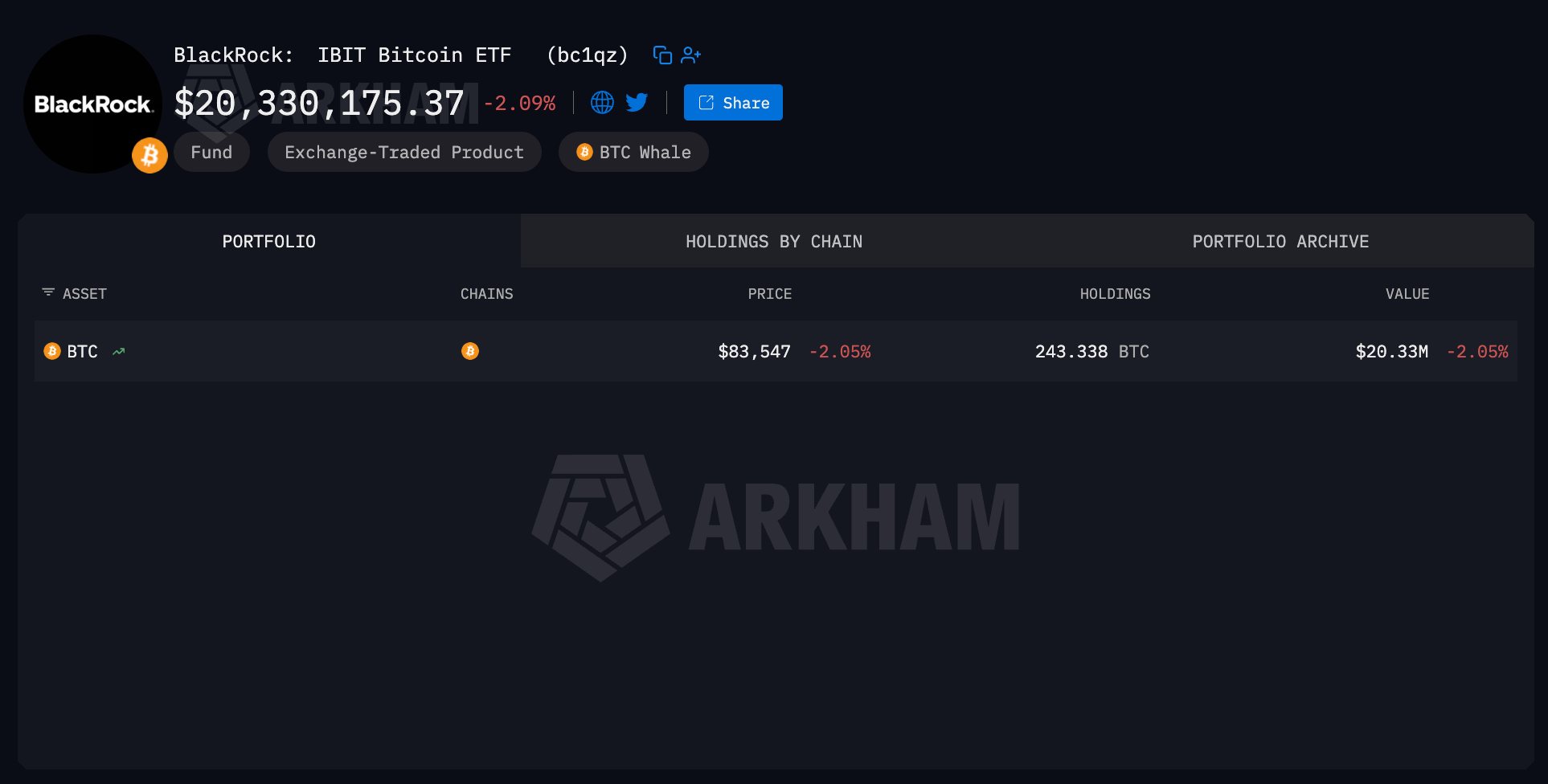
Holding shares in a Bitcoin ETF is one way to indirectly hold Bitcoin. Investors with these shares do not hold actual Bitcoin; the fund’s custodian is the one with the private keys to the Bitcoin that backs the shares to the ETF. Shareholders are not able to send, spend, or use Bitcoin in any way that requires holding the actual Bitcoin. However, shareholders receive price exposure to Bitcoin and liquidity during stock market hours in exchange for none of the hassle and risks of self-custody.
BTC Treasury Company
Similarly to holding shares in a Bitcoin ETF, owning shares in a Bitcoin treasury company means owning equity in a business that holds a lot of Bitcoin, not the Bitcoin itself. The management of a Bitcoin treasury company decides when to buy, sell, or borrow against those Bitcoin holdings, and shareholders have no claim to any specific coin that they hold. This is the most indirect form of Bitcoin exposure on this list.
HOW TO VERIFY YOUR BTC PURCHASE ON-CHAIN
Every Bitcoin transaction that has ever occurred can be viewed by anyone on the public ledger. This is perhaps one of the most under-utilized safety features available to Bitcoin buyers. Instead of blindly trusting an exchange’s confirmation email or counterparty’s screenshot, users can check the blockchain itself to see if a transaction occurred.
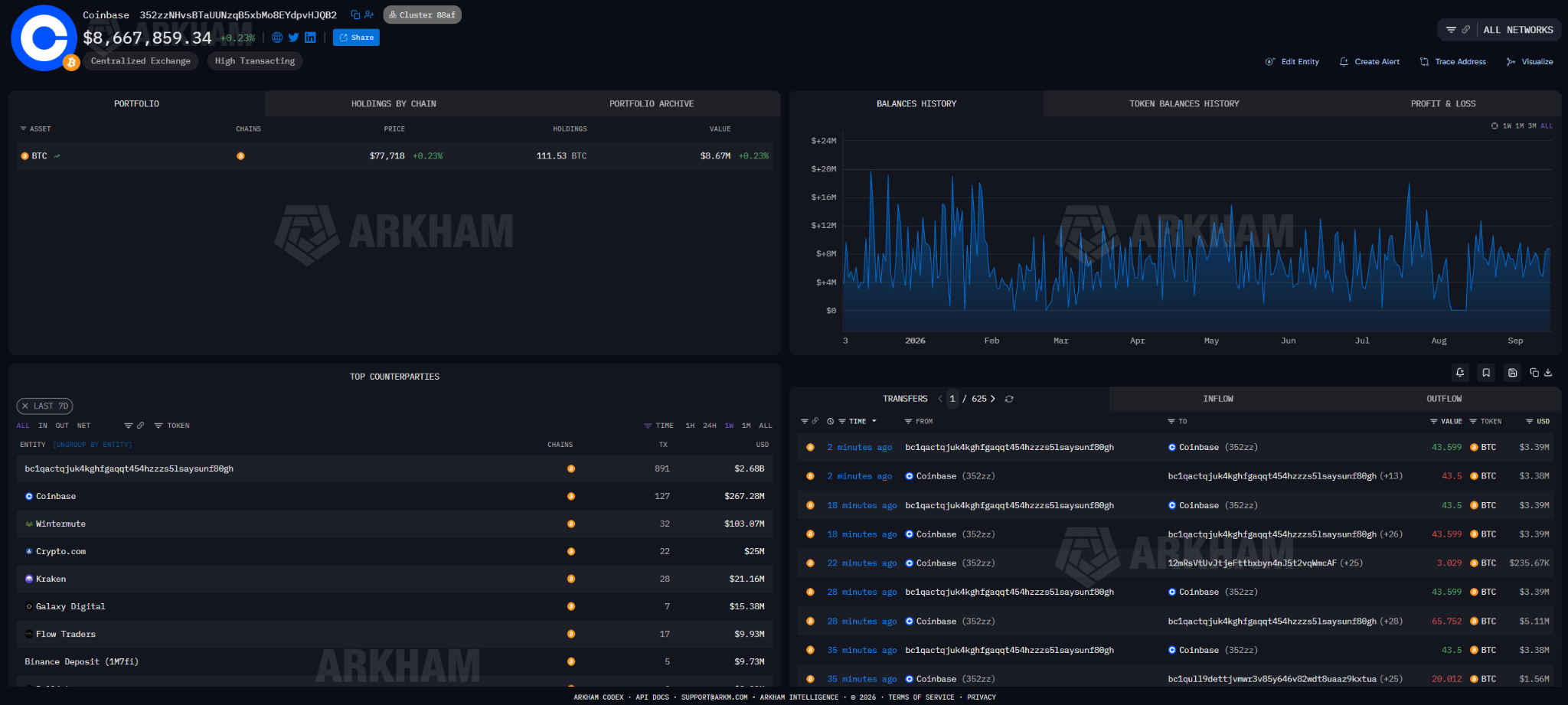
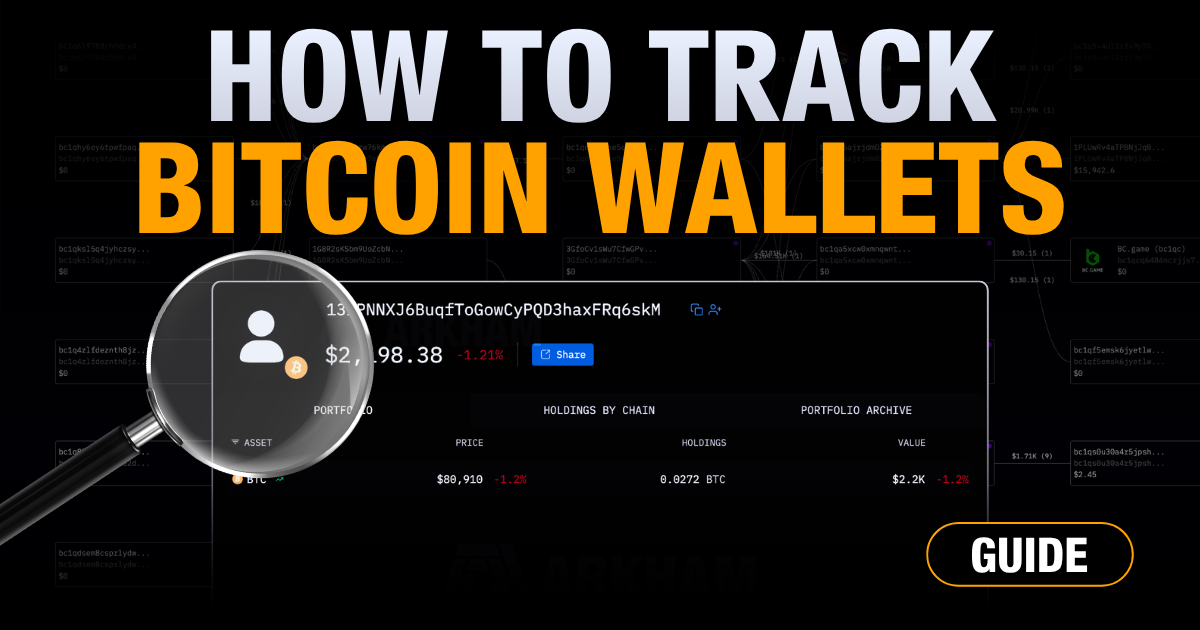
The Arkham blockchain explorer makes this easy for anyone to do. By dropping a Bitcoin address or transaction ID into the search bar, Arkham will return transfer history, current wallet balance, and confirmation status pulled directly from the Bitcoin blockchain itself. After users withdraw Bitcoin from an exchange to their wallet, users can confirm the coins landed into the correct wallet with the expected amount instead of just trusting the exchange’s interface saying so.
Arkham’s blockchain explorer can also be useful when used before sending out funds, instead of after. Arkham’s Ultra engine links real life identities to blockchain addresses to the best of its ability and provides labels that help users understand how confident Arkham is in the identity behind an address. For example, an Arkham Verified badge signifies that the identity behind an address has been confirmed, whereas an AI Entity Prediction is a lower-confidence guess that the system is still working on confirming properly. By searching unfamiliar addresses before sending funds to them, users can learn if they’re sending to a known exchange, labeled scam, or completely unlabeled address.
Arkham can be used to verify reports and press releases for Bitcoin treasury companies and ETFs. Many treasury companies like Strategy have their wallets labeled on Arkham, so users can check the company’s on-chain balance against their announced purchases themselves. Similarly, custody wallets behind Bitcoin ETFs are labeled entities on Arkham as well, allowing users to verify that these funds hold the Bitcoin they say they do before deciding to buy shares in a Bitcoin ETF.
CONCLUSION
There are a wide variety of methods to buy Bitcoin safely, and choosing which one is most suitable comes down to what a user’s goals and preferences are. Using an exchange to buy spot Bitcoin is a straightforward option with little friction. Choosing to buy shares in a Bitcoin spot ETF gives investors price exposure inside a standard brokerage account without the responsibilities of wallet management. Buying shares in a Bitcoin treasury company such as Strategy gives holders leveraged indirect exposure through equity.
Holding Bitcoin safely follows a very similar logic. Trusting a hot wallet or exchange to hold your Bitcoin trades security for convenience, whereas cold storage and hardware wallets prioritize user control instead. ETFs and Bitcoin treasury stocks avoid this question altogether since shareholders hold equity and not actual Bitcoin.
Regardless of which combination an investor chooses, the Bitcoin network allows investors to verify their purchases and transfers. Using Arkham, anyone can pull information directly from the blockchain, allowing investors to avoid relying completely on screenshots and exchange interfaces.

.png)









.jpeg)






.jpg)



.jpeg)





.png)












.png)

.jpg)





.png)
.png)




.png)


.png)
.png)
.png)


.png)
.png)








.png)
.png)
.png)

.png)




.png)