October 16, 2026
at
11:40 am
EST
MIN READ
Arkham API: 10 Business Ideas Based on the Blockchain Intelligence API

Note: Some ideas may require a separate commercial licence or written permission from Arkham, particularly those involving redistribution of API data. Check the applicable terms before proceeding.
Arkham's blockchain intelligence API tells you what is happening on-chain, but also who is behind it.
With 3.1 billion labeled addresses across more than 20 chains - Bitcoin, Ethereum, Solana, Tron, Hyperliquid, Robinhood Chain and more - and the vast majority of on-chain value attributed to real-world entities, the Arkham API turns anonymous wallet activity into named, monetizable intelligence. Entities, transfers, balances, flows, risk scores, perp positions and prediction-market data are all one API key away.
After months of building with it, the impression is clear: this is not just a data feed - it is infrastructure you can build a company on. Here are 10 business ideas to prove it.
1. Smart Money Alert Feeds
The transfers and alerts endpoints in the Arkham API let you watch labeled whales, funds, governments and market makers in real time. An entrepreneur could take those, expand on them, and then sell them as a subscription.
For example, in June 2024, wallets labeled under the German Government entity on Arkham began moving the 50,000 BTC seized from piracy site Movie2k.to to Coinbase, Kraken, Bitstamp and other exchanges. Traders watching the flows saw the selling pressure before it hit the headlines - and by mid-July the full stack, roughly $2.9 billion, had been sold transaction by transaction, in public.
Package this as tiered alerts over Telegram, Slack or webhook, and charge traders for being first instead of last.
Useful for prop shops, hedge funds, signal groups and crypto newsletter writers.
2. Compliance-as-a-Service for Smaller Venues
Enterprise compliance tooling is priced for enterprise budgets. The API's risk scoring - a 0-100 score for any address, with batch screening - lets you offer transaction monitoring to the long tail of exchanges, casinos and payment processors that cannot afford the big vendors.
For example, a compliance tool could screen every withdrawal above $100,000 in real time, auto-flag recipients with exposure to tagged hack, scam or sanctioned entities, and escalate only the transfers that actually warrant investigation.
Charge per screened address, add suspicious-activity-report workflows on top, and you have a lean white-label compliance business.
Useful for compliance officers and transaction monitoring teams at CEXs, OTC desks and Virtual Asset Service Providers (VASPs).

3. AI On-Chain Detective Agents
Arkham ships machine-readable docs for LLMs and an x402 pay-per-request surface that lets AI agents buy individual API responses in USDC - no account, no API key. That means you can build agents that investigate wallets autonomously.
For example, an agent asked "who is behind this address?" can pull entity attribution, trace counterparties, check the risk score and return a plain-English answer - paying a few cents per query as it goes. The same agent can monitor an entity 24/7 and only wake up when something moves.
Monetize per query, per report, or as a subscription embedded in wallets, explorers and research desks.
Useful for AI builders, wallet providers, and research teams automating on-chain due diligence.
4. Automated Counterparty Due-Diligence Reports
Before an institution onboards a client, lends to a fund or trades with an OTC desk, someone has to answer: who does this counterparty actually do business with, and is any of it flagged?
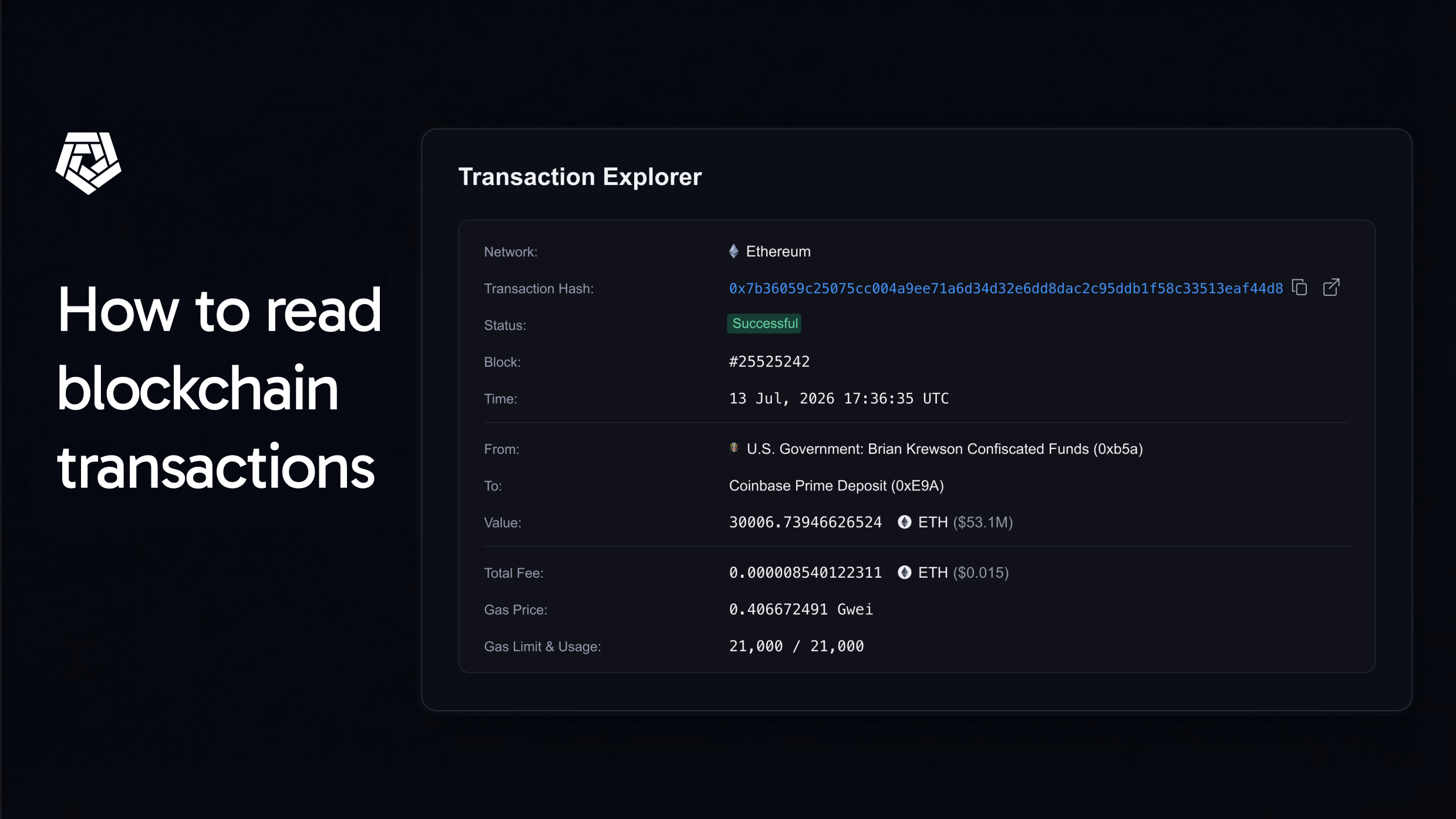
The counterparties and flow endpoints answer that in seconds. For example, a one-click report on any entity could show its top counterparties, historical USD flows, flagged exposures and portfolio trajectory - work that currently takes an analyst days.
Sell the reports individually, or sell seats to onboarding teams that run dozens of checks a month.
Useful for institutional onboarding specialists, prime brokers, lenders and OTC desks.

5. Exchange Flow Data Products
Are coins piling into an exchange, or draining out of it? Entity-level flow data is one of the oldest signals in on-chain markets - and the API makes it programmable.
For example, Arkham has labeled the wallets behind the US Bitcoin and Ethereum ETFs, so a daily tracker of issuer balances and exchange netflows can be fully automated - published as a paid newsletter, a terminal widget, or a data product licensed to media outlets and trading communities.
The data updates itself so your job is to package and distribute it. Not easy, but there are opportunities there.
Useful for on-chain analysts, crypto media, and trading communities hungry for alpha.
6. Crypto-Native CRM and VIP Intelligence
Venues know their users' emails - but not their net worth, their other venues, or when a whale has gone quiet. Labeling deposit wallets with the API turns a customer list into an intelligence asset.
For example, a broker can see which customers are worth eight figures on-chain, which are about to churn, and which big Hyperliquid traders it should be recruiting with a fee deal. Arkham's own broker guides cover exactly this: User & VIP Intelligence and Hyperliquid Trader Sourcing.
Sell it as a SaaS layer: wallet-based CRM for businesses whose customers are pseudonymous by default.
Useful for CEXs, DEXs, prediction markets, wallets and aggregators.
7. Incident Response and Stolen-Funds Tracing
When a protocol gets drained, the first hours decide whether funds are recovered. Entity attribution and cross-chain transfer tracking turn chaotic attacker wallets into a single traceable actor.
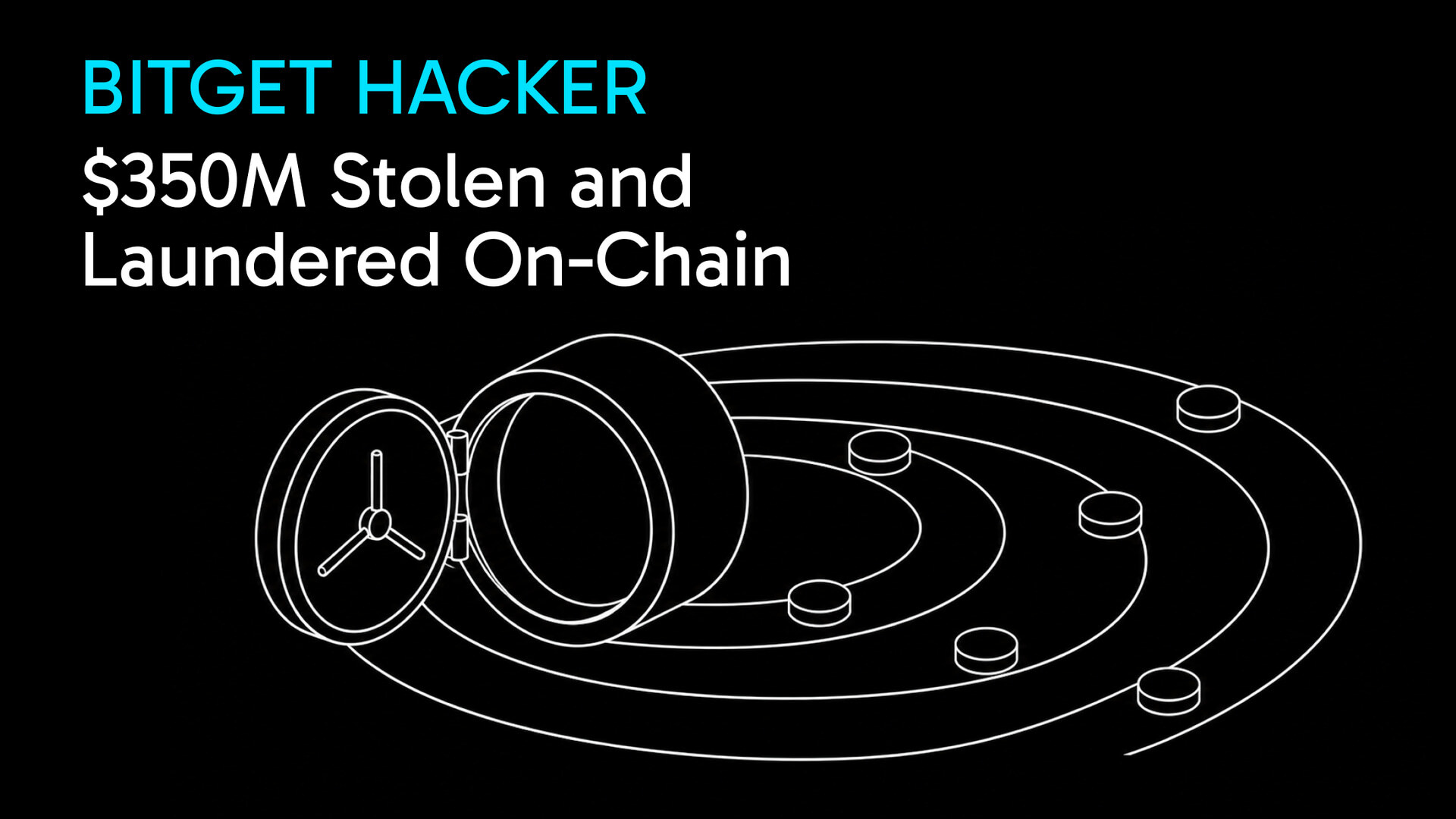
For example, when Bitget was drained for $387.5M in September 2026, Arkham converted all the attacker's addresses into a single entity - Bitget Hacker - and sleuths tracked the stolen funds wallet to wallet, across multiple cross-chain bridges, as they moved.
A forensics firm built on the API can sell retainers to exchanges and insurers, with success fees for traced and frozen funds.
Useful for security firms, crypto insurers, exchanges and law enforcement partners.
8. On-Chain Credit Scoring and Insurance Underwriting
Undercollateralized lending and crypto insurance both fail on one question: how risky is this counterparty? Portfolio history plus risk scoring is exactly the raw material an underwriting model needs.
For example, a lender could price a loan against a borrower's multi-year portfolio trajectory, realized PnL and exposure to flagged entities - instead of demanding 150% collateral.
Sell scores per call to lenders and insurers, or build the rating agency itself.
Useful for DeFi lenders, crypto insurers, treasuries and credit funds.
9. Perp Trader Scouting and Copy-Trading Analytics
The HyperCore endpoints expose positions, trades, PnL and account history for Hyperliquid traders - the most transparent arena in crypto.
For example, in May 2025, pseudonymous trader James Wynn built a $1 billion, 40x-leveraged Bitcoin long on Hyperliquid - one of the largest public perp positions in crypto history. Anyone could track his entry, unrealized PnL and liquidation price in real time, and Arkham flagged his $100M liquidation the moment it happened.
Build leaderboards, scout proven traders for prop firms, or power copy-trading products with verified track records instead of screenshots.
Useful for prop trading firms, copy-trading platforms and trading communities.
10. Fund Accounting, Audit and Tax Enrichment
The API’s portfolio and balances endpoints give fund administrators valuable information: what a portfolio was worth over time, and which coins moved between any two dates.
For example, an auditor can pull labeled, timestamped transfer histories and historical balances for every wallet a fund controls - turning a week of manual reconciliation into an API call, with entity labels attached to every counterparty.
Sell it as SaaS to fund administrators, auditors and tax firms that cannot keep up with crypto wallets.
Useful for fund administrators, auditors, family offices and crypto tax specialists.
How To Get Started
Every idea on this list runs on the same foundation: entity attribution, labeled transfers, portfolio data, risk scores and real-time alerts - available today through a single API key.
Sign up for API access at arkm.com/api, then explore the API documentation.
Pick the audience you already understand - traders, compliance teams, builders or investigators - and build the product that previously would have felt out of reach.

.png)







.png)










.jpeg)





.jpg)


.jpeg)


















.png)

.jpg)





.png)

.png)




.png)


.png)
.png)
.png)


.png)
.png)








.png)
.png)
.png)

.png)