October 15, 2026
at
10:10 am
EST
MIN READ
Hot Wallet Filter: 5 Ways To Use New Arkham Tool
Arkham Intel's new hot wallet filter lets you isolate transfers to/from labeled hot wallet addresses - these could be exchange hot wallets, treasury hot wallets, or the hot wallets of any other known entities like Circle or Tether.
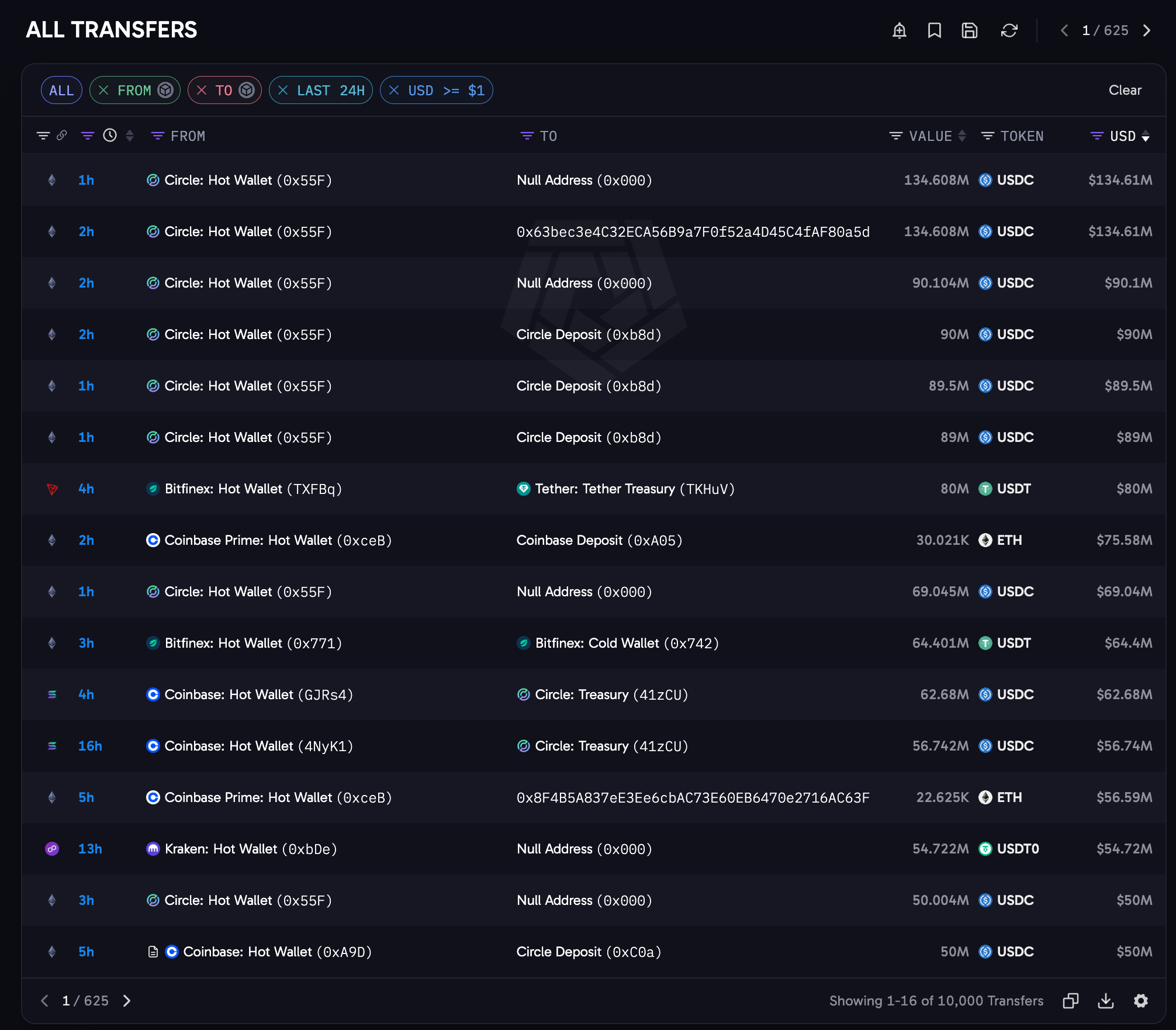
One example view (shown in the screenshot below) illustrates the largest withdrawals from hot wallets in the last 24 hours. It is extremely useful at surfacing nine-figure moves the moment they happen. You can access this specific transfer filter set-up here.
Here are five more ways to put the filter to work.
1. Track Whale Withdrawals as a Market Signal
Large outflows from exchange hot wallets to private, unlabeled wallets can indicate that large holders are moving assets into self-custody, potentially reducing the supply immediately available for trading. (Withdrawals can also reflect internal transfers or other operational activity.)
For example, a trader monitoring ETH might want to identify large withdrawals from Coinbase or Binance hot wallets to private wallets. A cluster of substantial withdrawals could be worth investigating as a potential accumulation signal, particularly if it coincides with other bullish market indicators.
Set the filter to show sends from hot wallets to non-hot wallets, sort by USD value, and you have a live feed of some of the largest withdrawals in your chosen timeframe.
Useful for crypto traders and on-chain market analysts.
2. Separate Real Flows From Treasury Noise
Not every large transaction represents a meaningful movement of funds worth reacting to. Treasury operations, token burns, and internal wallet transfers are good examples of this.
For example, an analyst investigating USDC flows might see Circle transferring $134M in USDC to a burn address. Without filtering or excluding this activity, the transaction could be mistaken for a significant movement of capital between market participants. Similarly, transfers between an exchange's own wallets may look like substantial withdrawals despite the funds never leaving the service.
Use exclusions to remove known burns and irrelevant internal transfers, then combine USD-value and time filters to isolate transactions that matter to your research - such as external transfers worth more than $10M in the past hour.
Useful for on-chain analysts, crypto researchers, and journalists.
3. Compliance: Real-Time Withdrawal Monitoring
Exchanges need to monitor withdrawals for potential exposure to stolen funds, scams, and sanctioned entities. The hot wallet filter provides a high-level view of outgoing transactions, helping compliance teams identify transfers that may need closer investigation.
For example, a compliance analyst could filter for withdrawals above $100,000 and investigate a large transfer to an address associated with a known scam or a cluster of newly created wallets. The transaction's size, destination, and risk indicators help the analyst decide whether further checks are necessary.
From there, click through to the recipient's Profiler page, open the Tracer, and follow the funds hop by hop across supported chains. This helps establish whether the funds have links to tagged hack, scam, or sanctioned entities before the team decides on appropriate next steps, such as escalation or suspicious activity reporting.
Useful for compliance officers and transaction monitoring teams at exchanges and Virtual Asset Service Providers (VASPs).
4. Compliance: Counterparty Due Diligence
Before onboarding a client or accepting a substantial deposit, compliance teams need to understand where the incoming funds originated. A deposit arriving from a well-established exchange is not automatically safe, but its transaction history may provide useful context that is missing from a deposit funded through a network of unknown wallets.
For example, an exchange reviewing a $2M customer deposit could use the reverse filter to identify transfers from non-hot wallets into service hot wallets. The analyst can then trace the deposit backwards to examine whether the funds originated from a known exchange, passed through intermediary wallets, or have links to addresses associated with illicit activity.
Arkham's entity profiles and address labels help analysts identify relevant counterparties and investigate their transaction histories. The filter makes it easier to surface the transfers that matter, while the subsequent investigation provides the evidence needed to inform the due diligence decision.
Useful for exchange compliance teams, institutional onboarding specialists, and crypto businesses reviewing large deposits.
5. Flip It Into an Alerting Engine
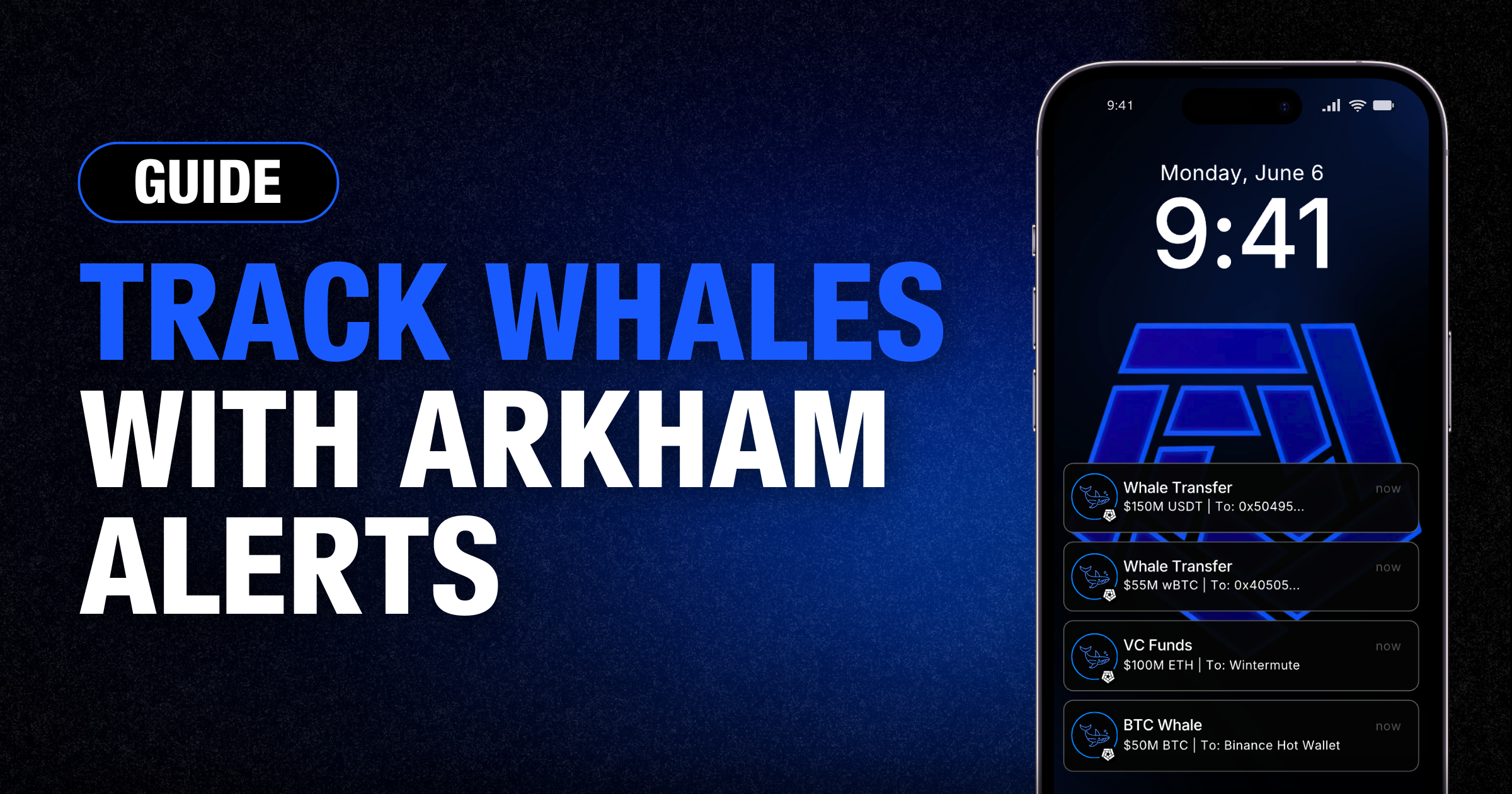
A saved filter becomes far more powerful when it's automated. Pair the hot wallet view with Arkham Alerts to get notified via email, Telegram, Slack, or webhook whenever a transaction meets your chosen criteria.
For example, a trader could set an alert for exchange hot wallets sending more than $10M to external wallets, helping them spot large withdrawals without constantly watching the transfers page. They could create a second alert for large transfers from external wallets into exchange hot wallets, which may signal potential selling activity if the funds are subsequently deposited for trading.
Hot wallet flows are an important signal when it comes to on-chain markets and blockchain analytics. With this new filter, traders can identify significant exchange inflows and outflows, while compliance teams can surface transactions that warrant further investigation.
Try the live view at arkm.com/transfers and adjust your settings to match your objectives.

.png)




.png)








.jpeg)




.jpg)

.jpeg)






.png)

.jpg)

.png)
.png)


.png)

.png)
.png)
.png)


.png)
.png)




.png)
.png)
.png)
.png)