March 31, 2026
at
6:40 am
EST
MIN READ
Brazil to Use Seized Crypto for Security - What Do Other Governments Do With It?
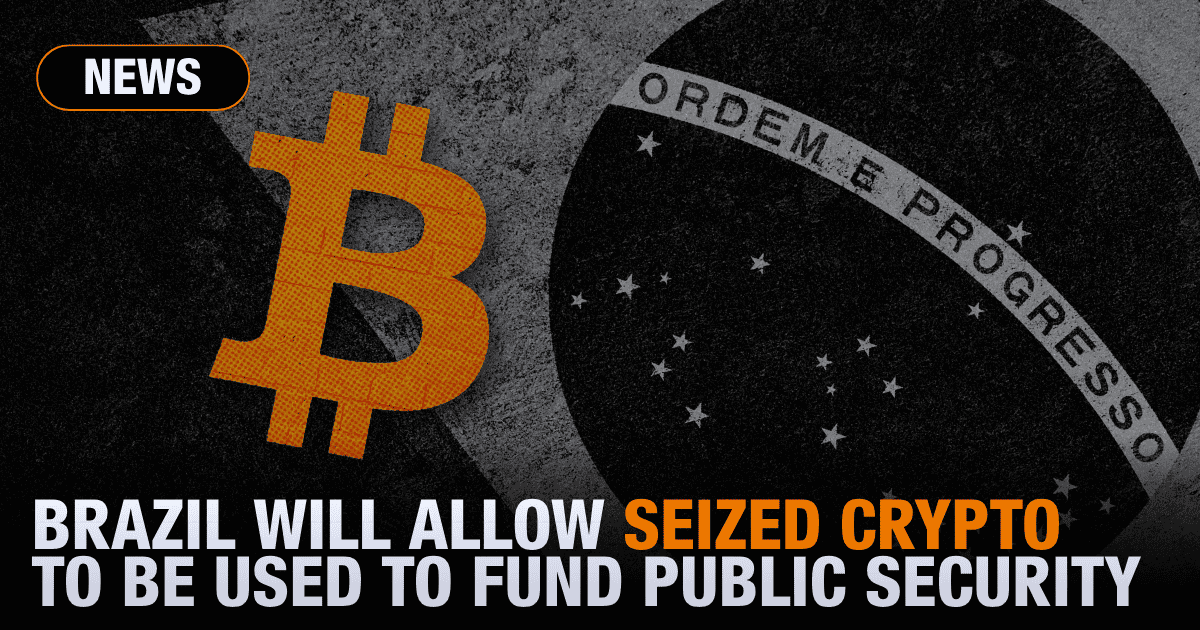
A new Brazilian law, which was enacted on Wednesday 25th March, will allow the government to use crypto assets seized from criminal organisations to be used to fund public security.
This means that the government will sell the seized crypto and use it to fund things like equipment for police, intelligence operations and training. Interestingly, the government will be able to do this even before a final conviction is issued, provided it is approved by a judge.
Also part of the new legislation is an expansion of judicial power to freeze, block or seize digital assets, and the ability to suspend access to exchanges and wallets.
This is a novel use case for crypto seized by government agencies. The decision has been made despite some attempts by Brazilian lawmakers to introduce a Brazilian Strategic Bitcoin Reserve of 1M BTC. This would make Brazil the largest sovereign holder of Bitcoin in the world.
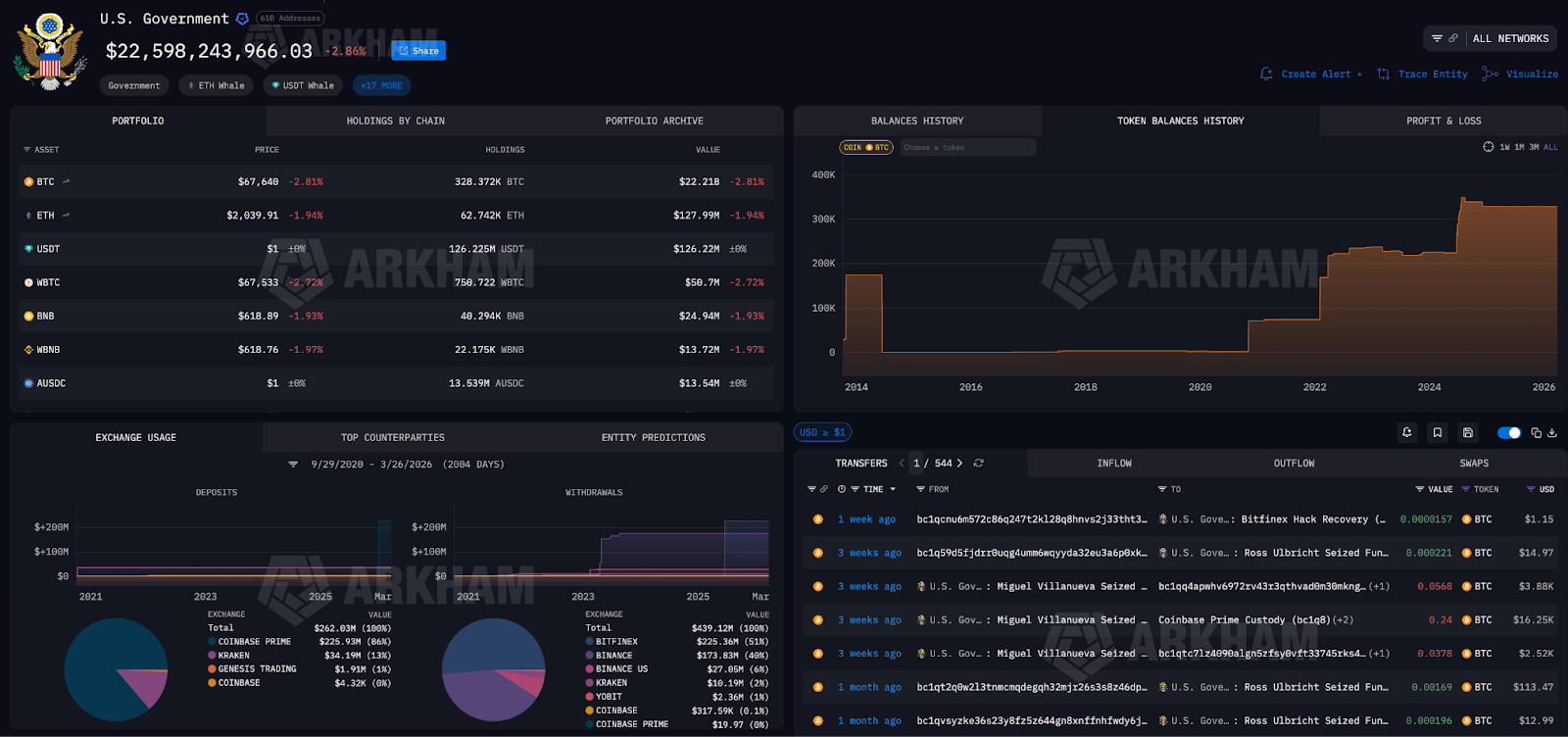
The US, which has confirmed BTC holdings of over 328K BTC, is the current largest sovereign holder. Upon Donald Trump’s re-election, he introduced the Bitcoin Strategic National Reserve which is currently supplied by seized Bitcoin.
What Do Other Governments Do?
United States: As mentioned, the US adds its seized Bitcoin to the Strategic National Reserve. However, the US is also known to perform victim restitution for those who lost out to criminals.
United Kingdom: It is the UK’s policy to sell its seized crypto assets. However, the UK’s BTC holdings have not changed in years, according to data from Arkham Intel.
El Salvador: El Salvador mainly gets its crypto from purchases. However, it has its own strategic reserve and any Bitcoin it controls is added to the reserve.
Germany: Germany does not have a clearly defined strategic reserve of Bitcoin or other crypto. At one point it was one of the largest sovereign holders with $3.8B in BTC but it sold its holdings for risk management reasons.
Finland: In 2022, the Finnish government sold almost 1,900 seized Bitcoin. The proceeds of the sale – around $47M – were donated to Ukraine.

.png)


.jpeg)





.png)










.png)



.jpg)






.png)
.png)


.png)


.png)

.png)
.png)

.png)
.png)







.png)
.png)
.png)
.png)




.png)




.png)