January 25, 2025
at
12:00 am
EST
MIN READ
Potential GCR Addresses Identified
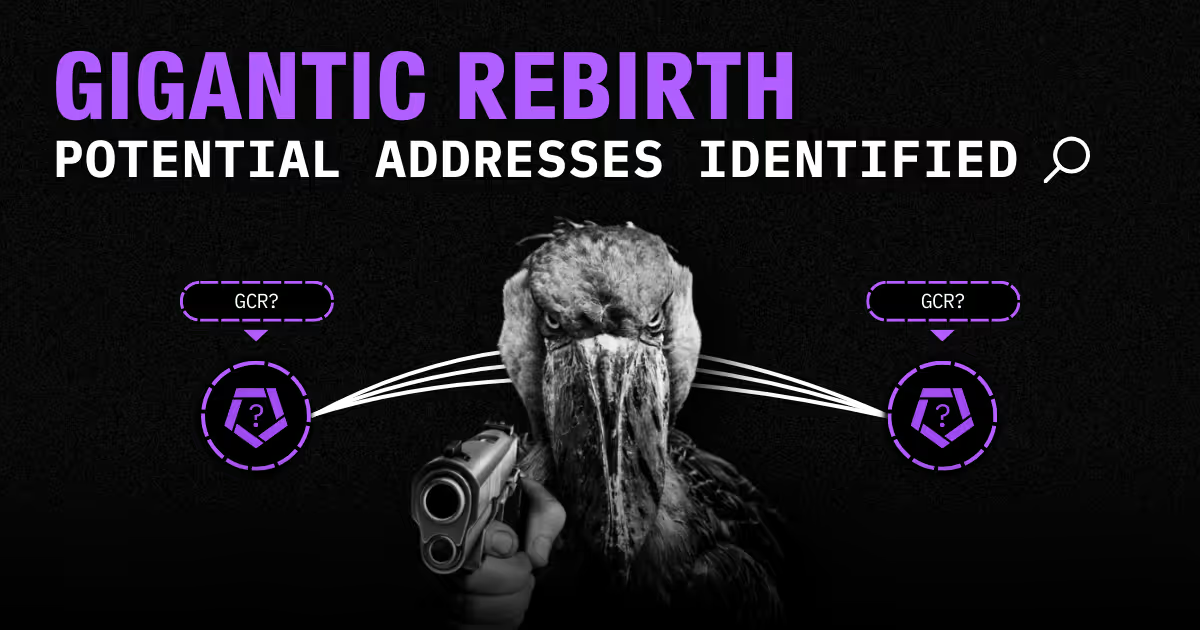
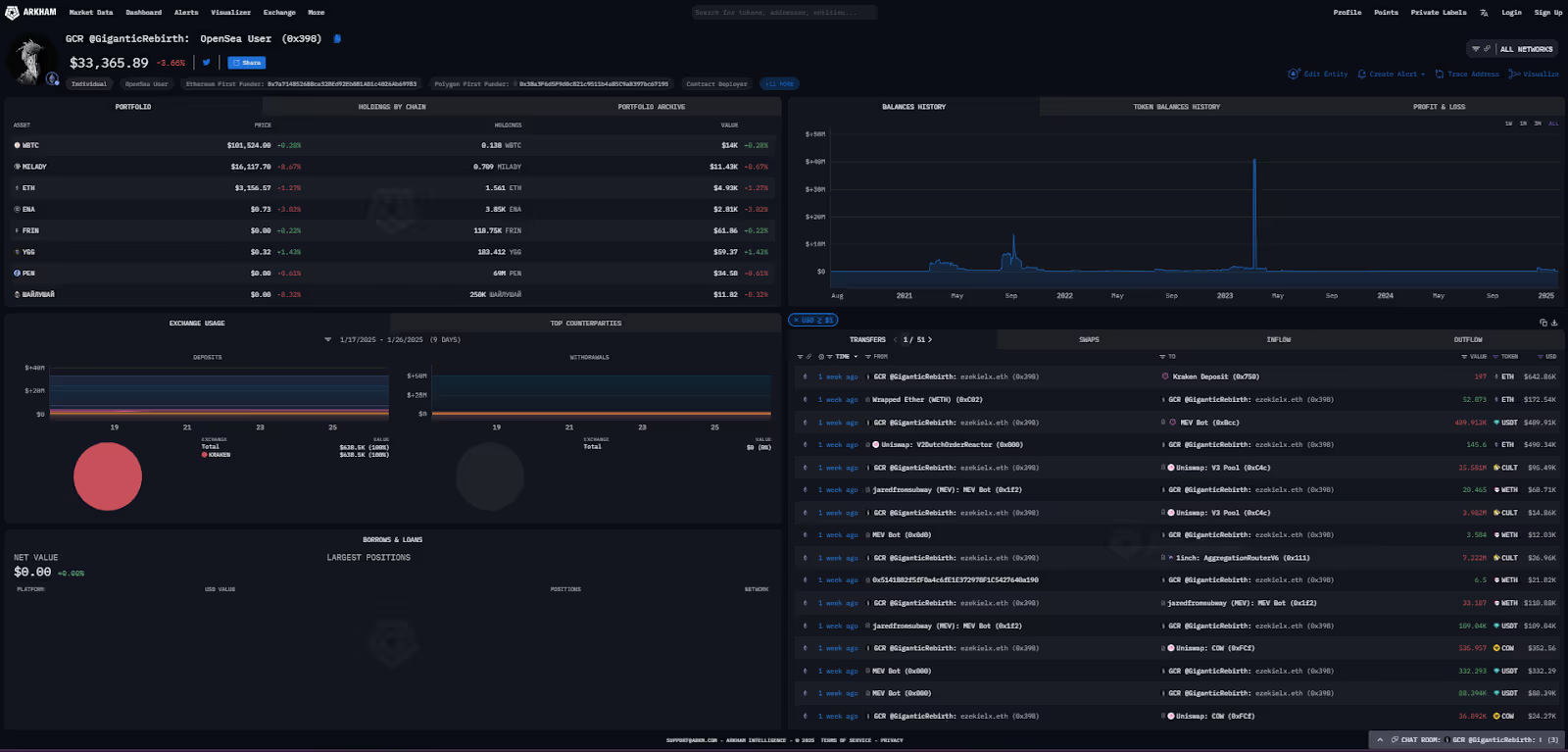
Legendary trader Gigantic Rebirth, better known as GCR, may have just revealed another two of his previously untagged addresses. The two addresses deposited into a Kraken deposit address (0x750) used by his public wallet, ezekielx.eth, which had just transferred ~$642K worth of ETH to the deposit address on the same day.
This method of connecting wallets is known as identifying "centralized exchange (CEX) deposit reuse." Exchanges typically assign a unique deposit address to each user account to track incoming funds. When multiple independent blockchain addresses send funds to the exact same exchange deposit address, on-chain analysts can infer with high confidence that all those sending addresses belong to the same entity, effectively breaking the user's anonymity.
The first address, 0xC70, was active on-chain during 2023, trading popular coins then including Rollbit (RLB), HarryPotterObamaSonic10Inu (BITCOIN) Hamstersgg (HAMS) and Mog Coin (MOG), netting him more than $1.2M in profits. The wallet address also lost almost 174 ETH trading the Azuki NFT collection.

The second address, 0x210, saw the majority of its transactions in late 2024, profiting off coins such as SPX6900 (SPX), STFX and TRUMP. The address also lost money trading the memecoins, LMEOW and SHRUB.
Despite these addresses being uncovered, it seems unlikely that these addresses were ever intended to be reused again, with the recent transactions simply to clear out the remaining ETH and USDT in these addresses. Nevertheless, looking through his past transaction records could still yield intriguing insights into GCR’s thought process.
For aspiring traders, studying these historical "wallet graveyards" is often more valuable than trying to copy-trade live transactions. By reviewing past data, analysts can reconstruct the trader's behavior during market volatility—specifically, how they sized their positions relative to their portfolio and whether they sold into strength or panic-sold during dips. This retrospective analysis separates luck from a repeatable, disciplined strategy.


.png)










.png)
.png)



.jpg)







.png)

.png)



.png)


.png)


.png)
.png)


.png)
.png)









.png)
.png)
.png)
.png)





.png)







.png)