January 9, 2025
at
12:00 am
EST
MIN READ
Solana Memecoin Trader, DxjmH, Turns $63K into $2.5M
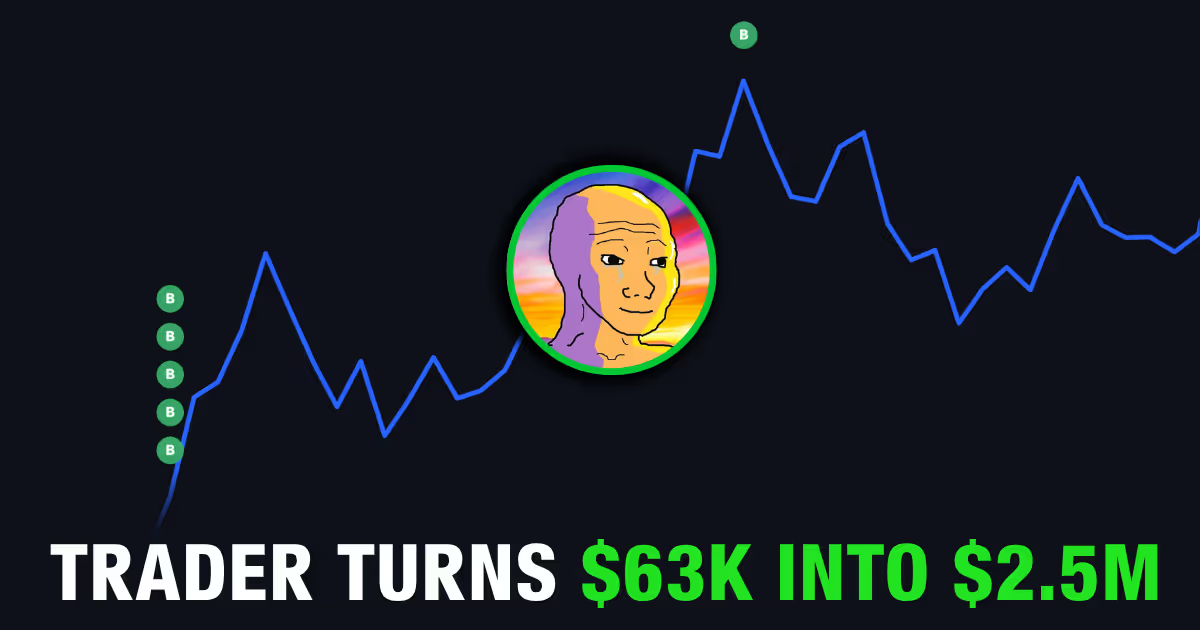
Solana memecoin trader, DxjmH, bought 16,698,413 tokens of the AI-themed memecoin, Large Language Model (LLM), or $63,000 worth, just three hours after its launch. Just 21 hours later, his holdings were up 41x to a high of $2.59M.
This type of rapid gain exemplifies the high-risk, high-reward nature of the memecoin market. The trader's ability to identify and invest in the token just hours after its launch was a critical factor in achieving such a significant return, a move that carries immense risk but offers exponential upside.
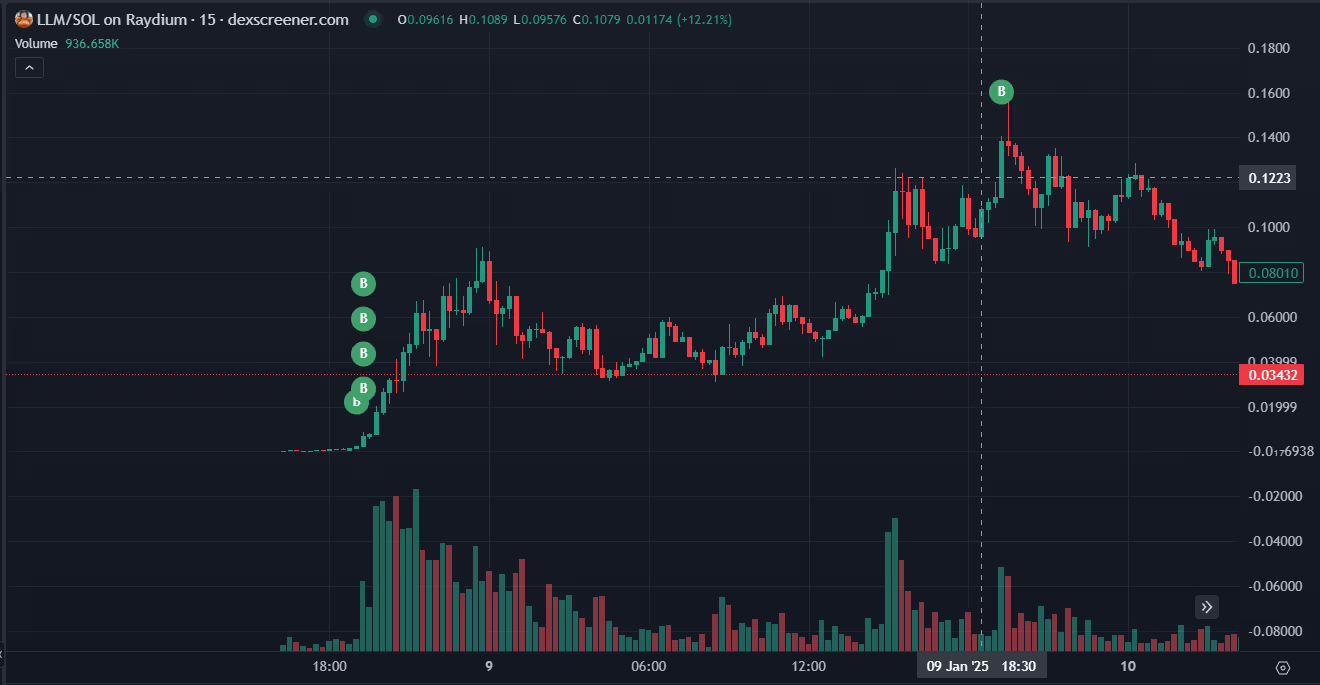
The majority of these tokens were later sold off on 10th January for WSOL, after the tokens were transferred to another address, 9Rv4j.
Realizing profits is a key part of successful trading, especially in volatile assets where gains can disappear as quickly as they arrive. The use of WSOL (Wrapped Solana) is standard practice, as it is a primary token for trading against other tokens within the Solana decentralized exchange (DEX) ecosystem.
The LLM coin was a memecoin launched using a fattened version of Eliza, the mascot of popular AI agent framework, ai16z. The memecoin however, was not well-received by ai16z’s creator, Shaw, who took to X to criticize the token’s creators. Interestingly, he ended up promoting a copycat token, Fatcoin, which uses the same fattened image of Eliza as its token image.
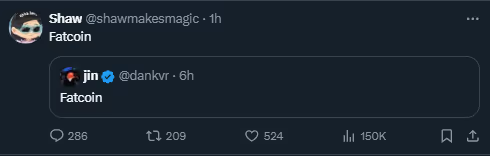
The controversy highlights a common theme where memecoins leverage existing brands or images without permission. The creator's subsequent actions, criticizing one token while promoting a near-identical one, add a layer of irony and reflect the chaotic, personality-driven dynamics of the memecoin scene.

.png)

.jpeg)





.jpg)


.jpeg)






.png)






.png)

.jpg)




.png)

.png)



.png)

.png)

.png)
.png)

.png)
.png)





.png)
.png)
.png)

.png)




.png)