September 7, 2024
at
1:00 am
EST
MIN READ
MEV Bot turns $100 into $37K Instantly
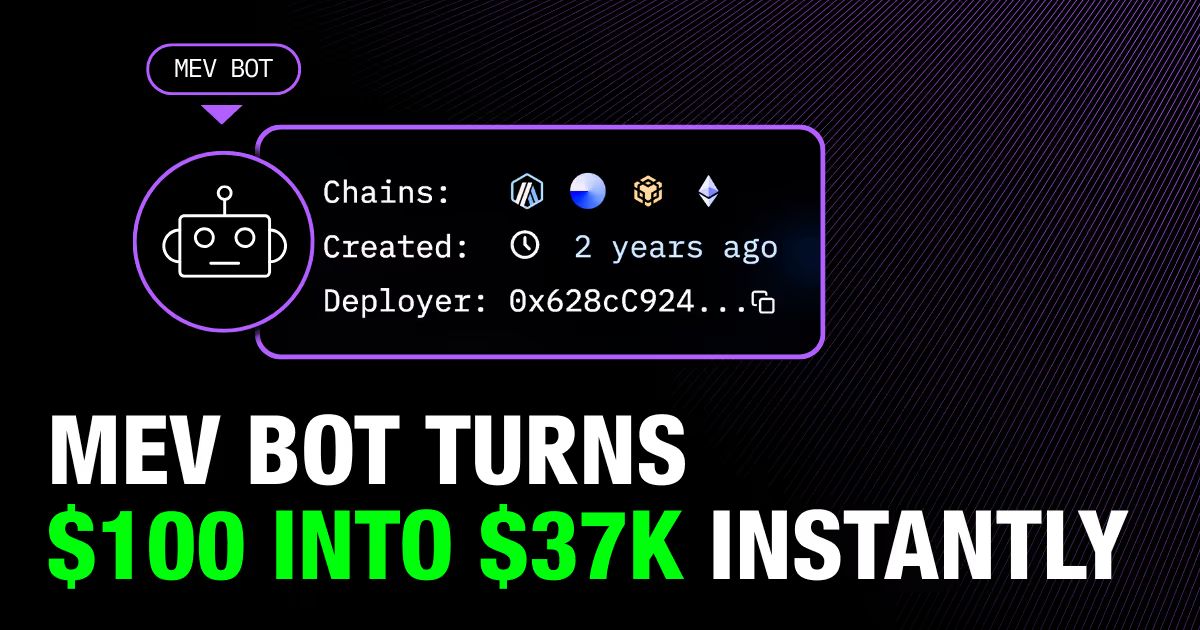
On 5th September 2024, a trader on Ethereum was looking to swap 105K Combo Network (COMBO) ($37.65K) tokens to WETH. Unfortunately for them, they were swapping into a Uniswap pool with insufficient liquidity at the time. As a result, the trader (0x0B2) only received 0.012 WETH ($27.88) in return, or an instant 99.9% loss on the swap. An MEV bot spotted the opportunity and swooped in to capitalize on it.
This type of devastating loss is a textbook example of high "slippage." When a trader attempts to execute a large swap in a pool with insufficient liquidity, their own order consumes the available assets at progressively worse prices. In this case, the $37.65K sell order far exceeded what the Uniswap pool could absorb, causing the price of COMBO in that specific pool to crash to virtually zero.
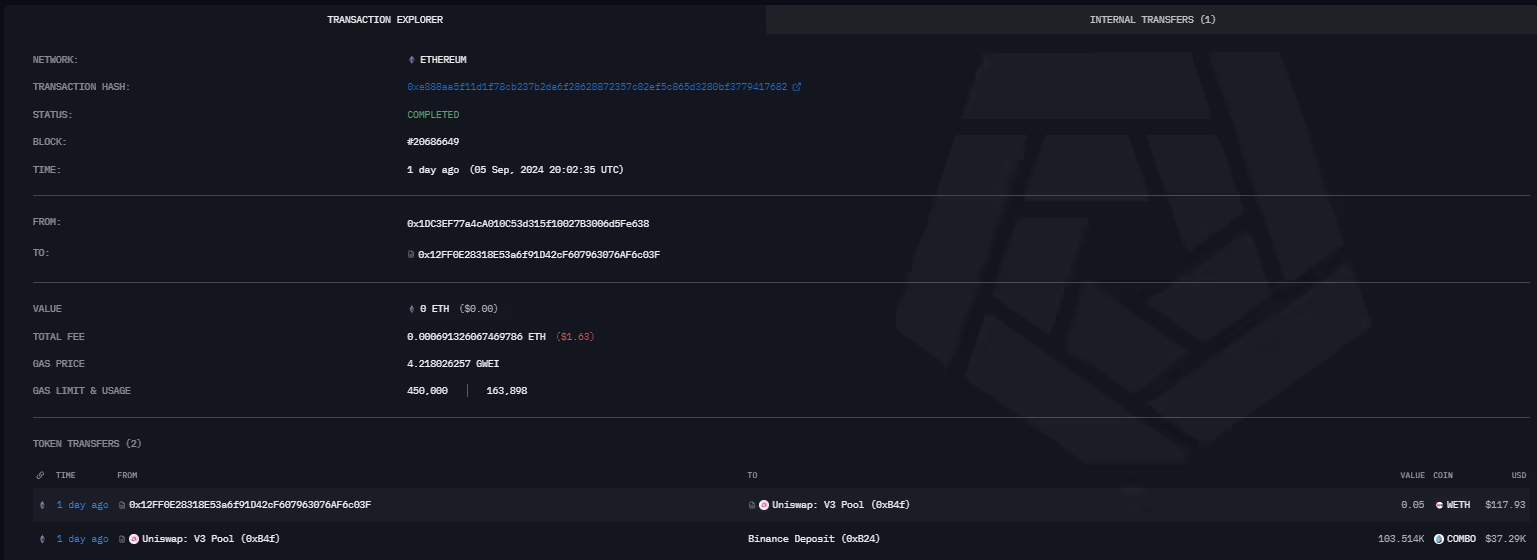
MEV bot (0x12F) detected the opportunity and initiated a swap right after the initial swap from 0x0B2, and proceeded to swap 0.05 WETH ($117.93) for 103.51K COMBO ($37.29K). The tokens were immediately sent to a Binance deposit address (0xB24), likely to sell into higher liquidity for a more favorable price.
To guarantee the priority of their transaction in the block, 0x12F paid 12.766 ETH ($30.1K) to a block builder to include their transaction, netting themselves a final profit of ~$7K.
The bot's action is a classic "MEV" or Maximal Extractable Value arbitrage. The $30.1K payment was not a gas fee but a "bribe" paid to the block builder. This high cost was necessary to guarantee the bot's transaction was included immediately after the trader's, securing the profitable back-run against all other competing bots.

.png)

.jpeg)




.jpg)

.jpeg)



.png)





.png)


.jpg)




.png)
.png)


.png)

.png)

.png)
.png)
.png)
.png)





.png)
.png)
.png)
.png)



.png)