December 5, 2024
at
12:00 am
EST
MIN READ
$1B Inflows into BlackRock ETF

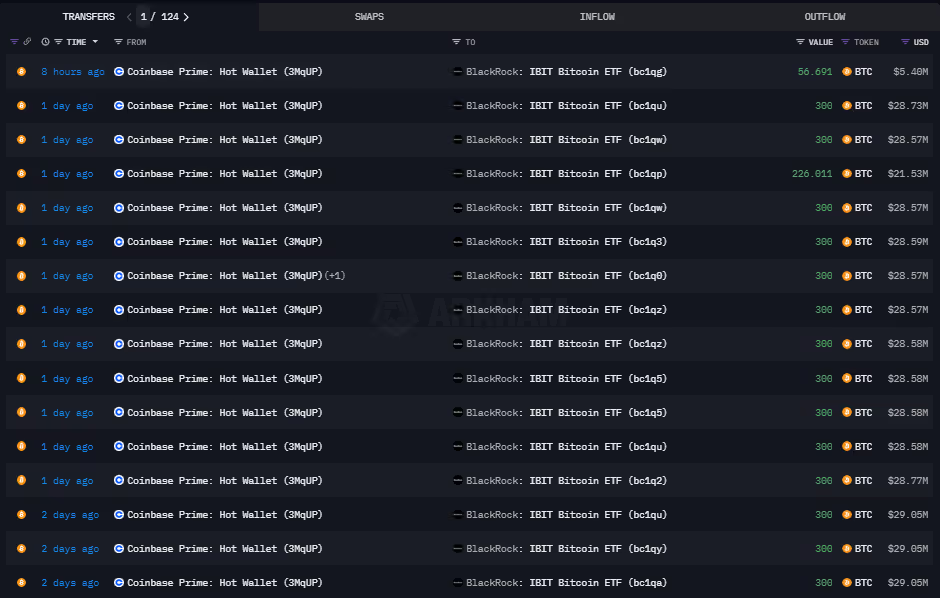
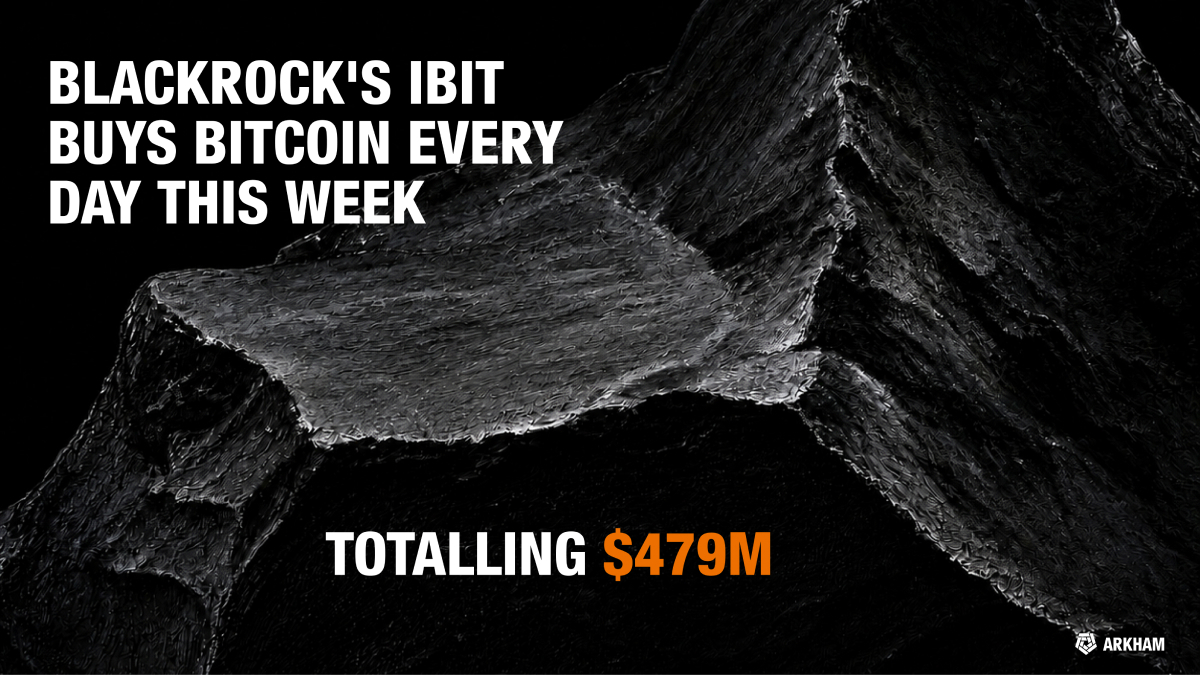
BlackRock’s IBIT Bitcoin ETF has seen more than $1B in purchases so far this week, just three days into the new week. The institution’s labeled addresses acquired just under 5,000 BTC from Coinbase Prime in the period, which has since been transferred to eleven different addresses managing the BTC held under BlackRock’s custody.
This specific movement of funds highlights the mechanics of the "cash create" model used by most US-based crypto ETFs. When investor demand for IBIT shares increases, the fund must acquire the underlying asset to match the new share issuance. This typically involves purchasing Bitcoin through a prime brokerage service - in this case, Coinbase Prime - before settling the assets into secure, institutional-grade custody wallets. Spreading these assets across multiple addresses is a standard security practice known as "sharding" or segregation, which minimizes risk by ensuring no single wallet holds the entire treasury.
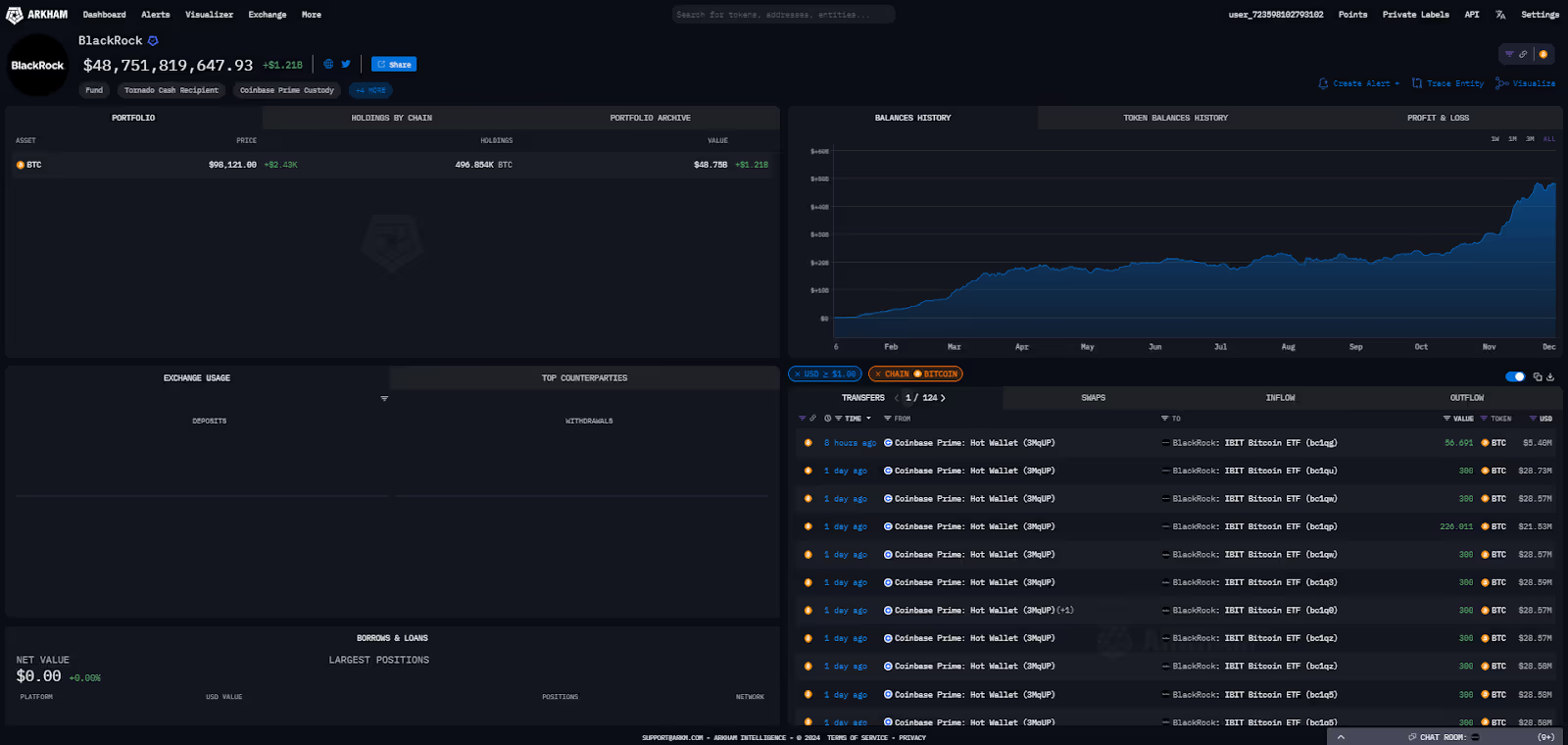
The purchases bring IBIT’s total BTC balance to 496,854.08 or just over $48.8B worth. These inflows also show a resurgence in BTC ETF inflows after a slowdown the week earlier leading up to Thanksgiving Day where the BTC ETFs saw a cumulative outflow, primarily led by Grayscale’s GBTC and Bitwise’s BITB. IBIT also continues to be the largest contributor to BTC ETF inflows, having made up more than $32.7B in inflows since inception.
From a market perspective, these consistent inflows represent a mechanism for removing liquid supply from the open market. Unlike retail traders who often buy and sell rapidly based on short-term volatility, ETF issuers hold Bitcoin to back their shares, effectively locking that supply away in cold storage. Over time, this "sticky capital" can lead to a supply squeeze, where the amount of Bitcoin available for purchase on exchanges diminishes while demand remains steady or increases.

.png)


.jpeg)









.png)














.png)





.jpg)






.png)

.png)


.png)

.png)


.png)
.png)


.png)
.png)










.png)
.png)
.png)

.png)





.png)







.png)