October 29, 2026
at
6:55 am
EST
MIN READ
How To Use Arkham’s Enterprise Case Management and AML Software
Summary
- Case Management on Arkham Enterprise gives every investigation a single shared workspace for evidence, notes and teammates.
- Each case holds entities, addresses, transactions, saved filters, Tracer graphs, Visualizer views and alerts in one place.
- New alert hits are counted, and a finished case becomes a report in one click for prosecutors, regulators or compliance committees.
- It is built for law enforcement investigators, compliance and AML teams, and research teams, with a 14-day free trial at arkm.com/enterprise.
How To Do Case Management on Arkham
At first, investigations look simple. The blockchain shows who was drained, what was taken, which network it happened on and exactly when it happened. You just have to follow the trail.
A week later, the evidence is scattered across saved traces, badly named screenshots, sprawling spreadsheets of addresses and Slack threads. Even what was stolen in the first place becomes hard to recall.
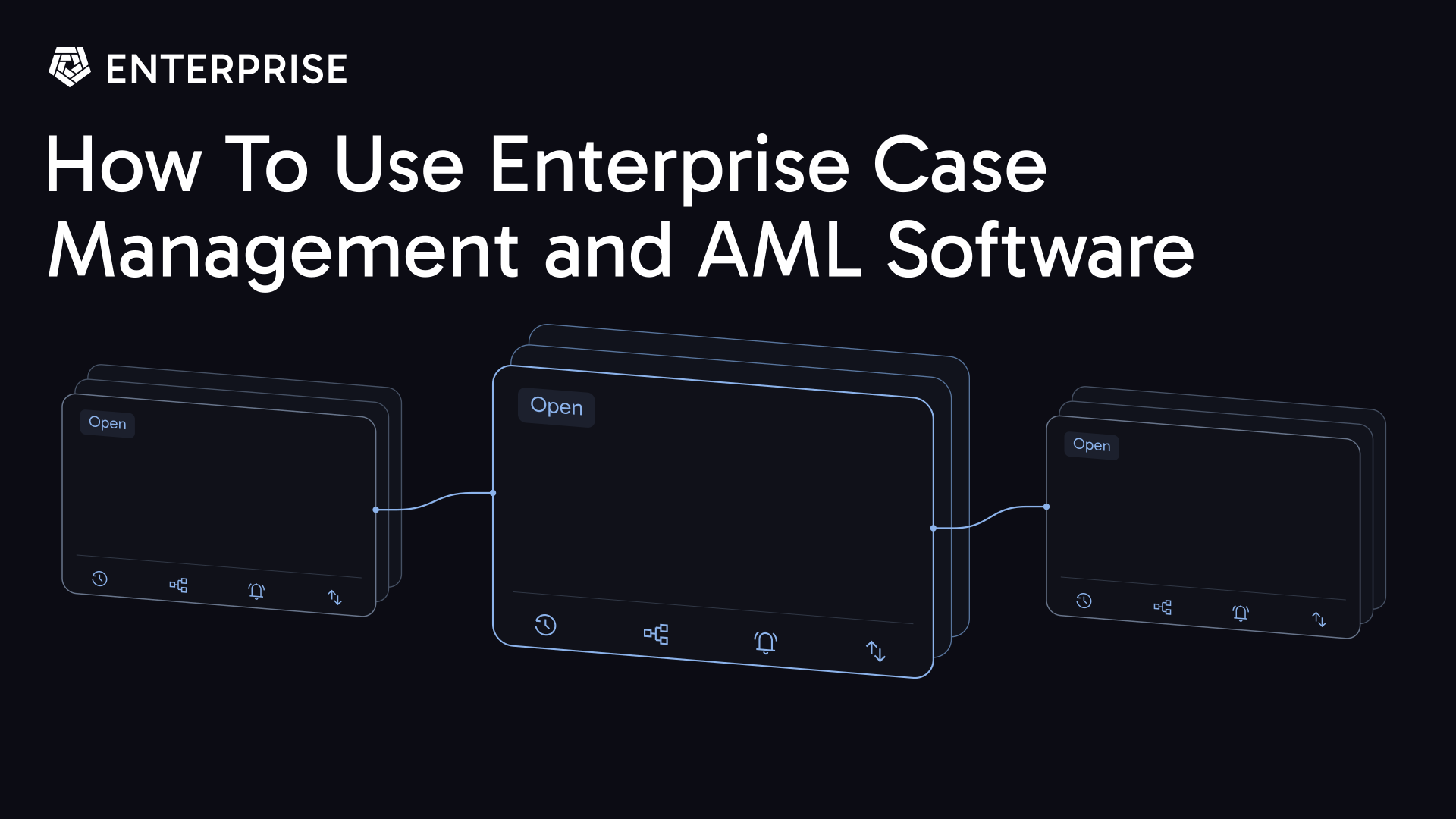
Case Management fixes that. A case is a workspace for one investigation: everything you find lives in one place, and everyone working the case with you can see it.
Step 0: Sign up to Arkham Enterprise.
Step 1: Open a case. Give it a name, description, priority and assignee. Move it from open to closed or archived as the investigation progresses.
Step 2: Collect the evidence. Attach entities and addresses, specific transactions, saved filters, Tracer graphs, Visualizer views and alerts. Every piece of the investigation sits inside the case.
Step 3: Work it as a team. Add teammates from your organisation, or share the whole case with the org. A notes scratchpad holds your working theories, and a timeline records what was found and when.
Step 4: See what changed. New alert hits on a specific case get added automatically, so when you come back you know exactly what moved since you last looked.
Step 5: Hand it over. When the investigation is done, generate a report from the case in one click. It is built from the work you have already done, ready for prosecutors, regulators or your compliance committee.

What Is Case Management?
Case management is the process of organising everything related to an investigation (evidence, notes, people and decisions) into a single record that can be tracked from first lead to final report. In AML and financial crime work, the case file converts suspicious evidence into a documented finding that a regulator, prosecutor or compliance committee can rely on.
In blockchain investigations, the evidence is on-chain: wallet addresses, transfers, counterparties and the entities behind them. General-purpose case management software is not suited for this kind of work and data. Case Management on Arkham Enterprise is built directly on top of Arkham's on-chain intelligence, so the evidence and the case file live in the same place.
Who Is Case Management For?
- Investigators in government and law enforcement building cases
- Compliance and AML teams documenting exposure and evaluating risk
- Research teams running several investigations at once
All of it runs on the largest de-anonymized blockchain intelligence database in the market: 3.9 billion addresses with intel, $1.8 quadrillion in volume tracked and 93% of value attributed.
AML Case Management Case Study
A compliance analyst at a centralized exchange receives a risk flag on an incoming deposit. She opens a case, sets it to high priority and assigns it to herself.
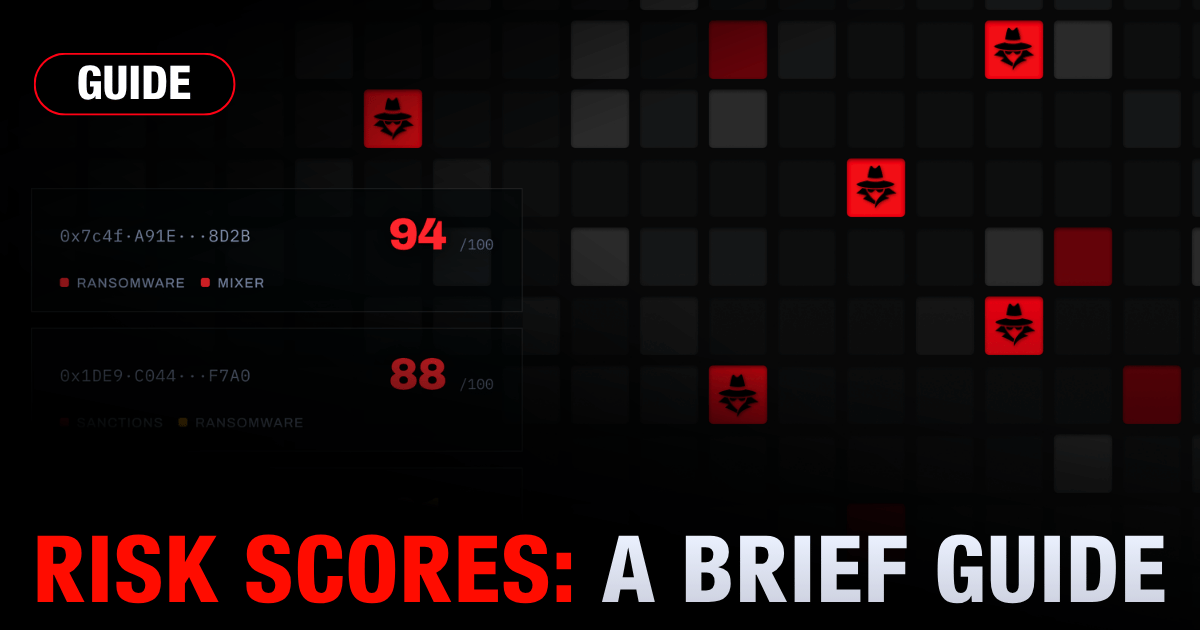
The address's risk score shows indirect mixer exposure. She attaches the depositing address and the deposit transaction, then builds a Tracer graph showing the funds arrived two hops from a mixer. She sets an alert on the source wallet, adds a teammate to the case, and records her working theory in the notes scratchpad while the timeline logs each finding.
Two days later, the case shows three new alert hits: the source wallet has sent funds to other exchanges. With the pattern confirmed, she generates a report from the case in one click and takes it to the compliance committee, which decides to restrict the account and file a suspicious activity report.

Government Case Management Case Study
A law enforcement unit is investigating a ransomware payment. The lead investigator opens a case for the incident and attaches the ransom address and the victim's payment transaction.
Using Tracer V2, she follows the funds through a series of intermediary wallets to deposit addresses at two exchanges, and adds a Visualizer view of the entity behind the ransom wallet. She shares the case with her organization so analysts on another team can contribute their own traces and notes.
Alerts on the downstream wallets feed into the case, so when part of the funds move again, the new hits are counted and the team sees exactly what changed. Once the trail is complete, the investigator generates a report in one click, giving prosecutors a documented fund flow to support requests to the exchanges to freeze the remaining funds.

Get Started
Request access at arkm.com/enterprise and start your 14-day free trial.